
 African Elephant
Occasional
Overview
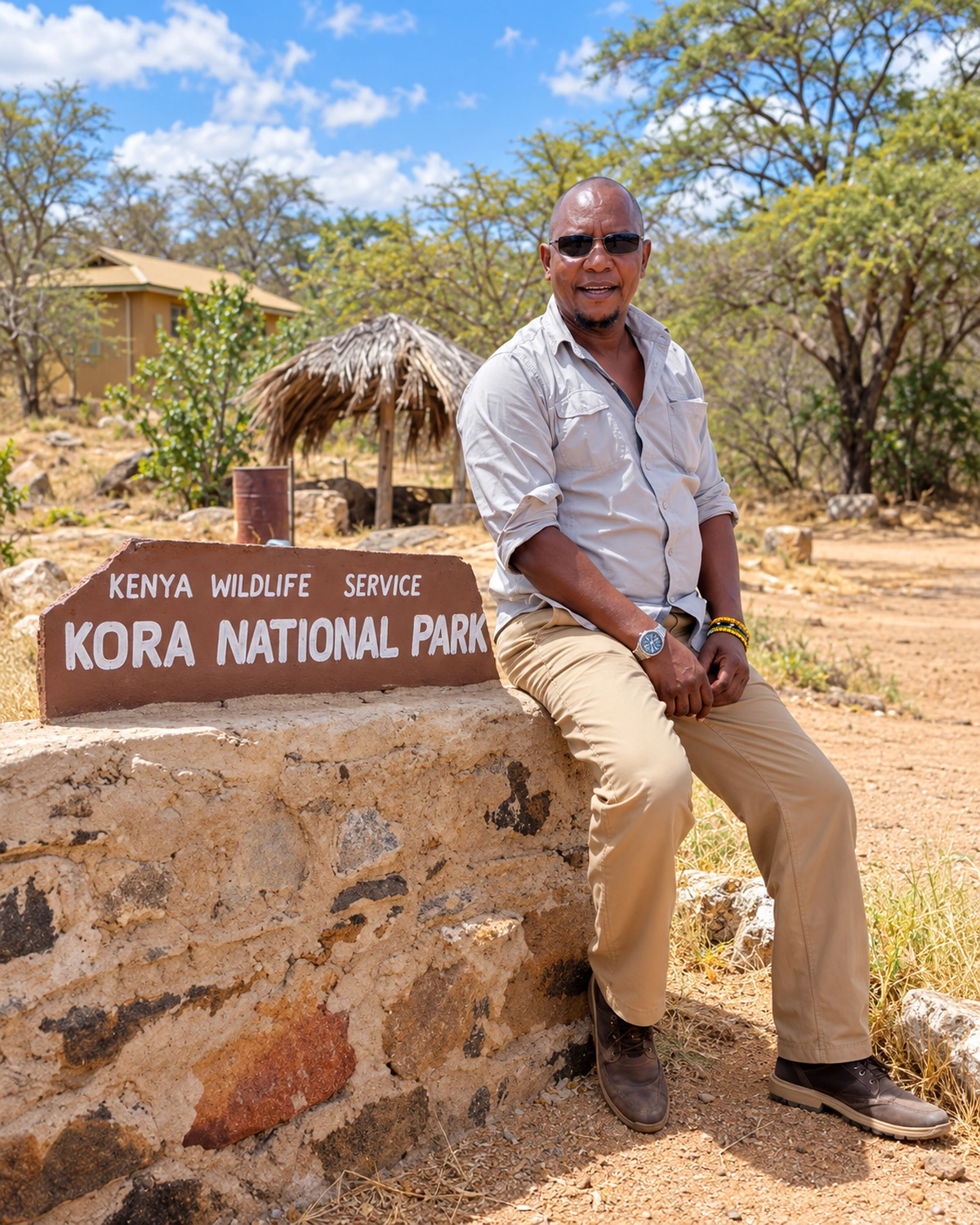
Kora National Park Travel Guide
Kora National Park is one of Kenya’s least developed and most adventurous protected areas. Its appeal is not based on dense concentrations of habituated wildlife; instead, Kora offers remoteness, striking Tana River scenery and an extraordinary connection to Kenya’s conservation history.
George Adamson, widely known as Baba ya Simba, made Kora his home and worked here with rehabilitated lions. His former camp at Kampi ya Simba remains central to the park’s identity. The landscape is marked by granite inselbergs, seasonal rivers and the Tana River, with Adamson’s Falls, Grand Falls and Kora Rapids adding dramatic river scenery.
Kora’s northern boundary connects directly with Meru National Park. Wildlife moves through the wider Meru–Kora conservation landscape, but densities inside Kora can be low and animals may be wary of vehicles. A Kora visit is therefore best approached as a wilderness and heritage expedition rather than a checklist safari.
Why Visit Kora National Park?
- George Adamson heritage: visit the landscape associated with one of Kenya’s most influential lion conservation stories.
- True wilderness: low visitor numbers and very limited tourism infrastructure.
- Tana River: riverine habitat, rapids and waterfalls along the park’s northern edge.
- Inselbergs: granite outcrops rise dramatically above the surrounding plains.
- Meru connection: wildlife corridors link Kora directly to Meru National Park across the Tana.
- Birding: diverse dry-country and river habitats make the park rewarding for experienced birders.
Scenery & Habitats
Kora’s great strength is its scenery. Broad, dry plains are broken by isolated granite inselbergs and seasonal riverbeds. Along the Tana River, doum palms and thicker riverine vegetation create a greener corridor. Adamson’s Falls, Grand Falls and Kora Rapids bring movement and drama to a landscape that otherwise feels vast and austere.
Activities
Exploration is primarily by well-prepared 4×4 game drive. Visitors can include the Adamson heritage sites and river viewpoints, but should not expect the organised activity menu found in heavily developed safari parks. Because roads are remote and can be difficult, Kora is best visited with an experienced guide, adequate fuel, recovery equipment and a conservative travel plan.
Wildlife
Wildlife in Kora National Park
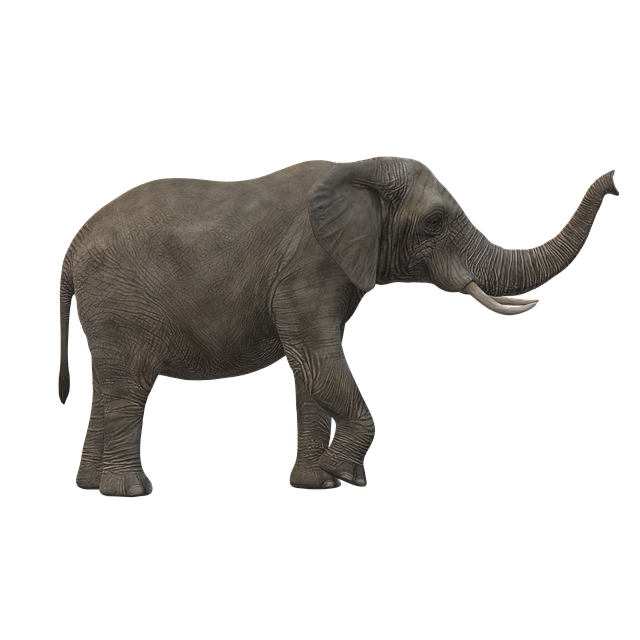
Wildlife densities in Kora are significantly lower than in neighbouring Meru and animals can be skittish. Elephant, hippo, spotted hyena and lion occur, while other species move through the wider Meru–Kora ecosystem. The Tana River supports crocodiles and hippos. Visitors should value sightings as part of a remote wilderness experience rather than expect the frequency associated with the Mara, Amboseli or Meru.
AbundantCommonOccasionalRareNone
African Elephant
Occasional
 Hippopotamus
Occasional
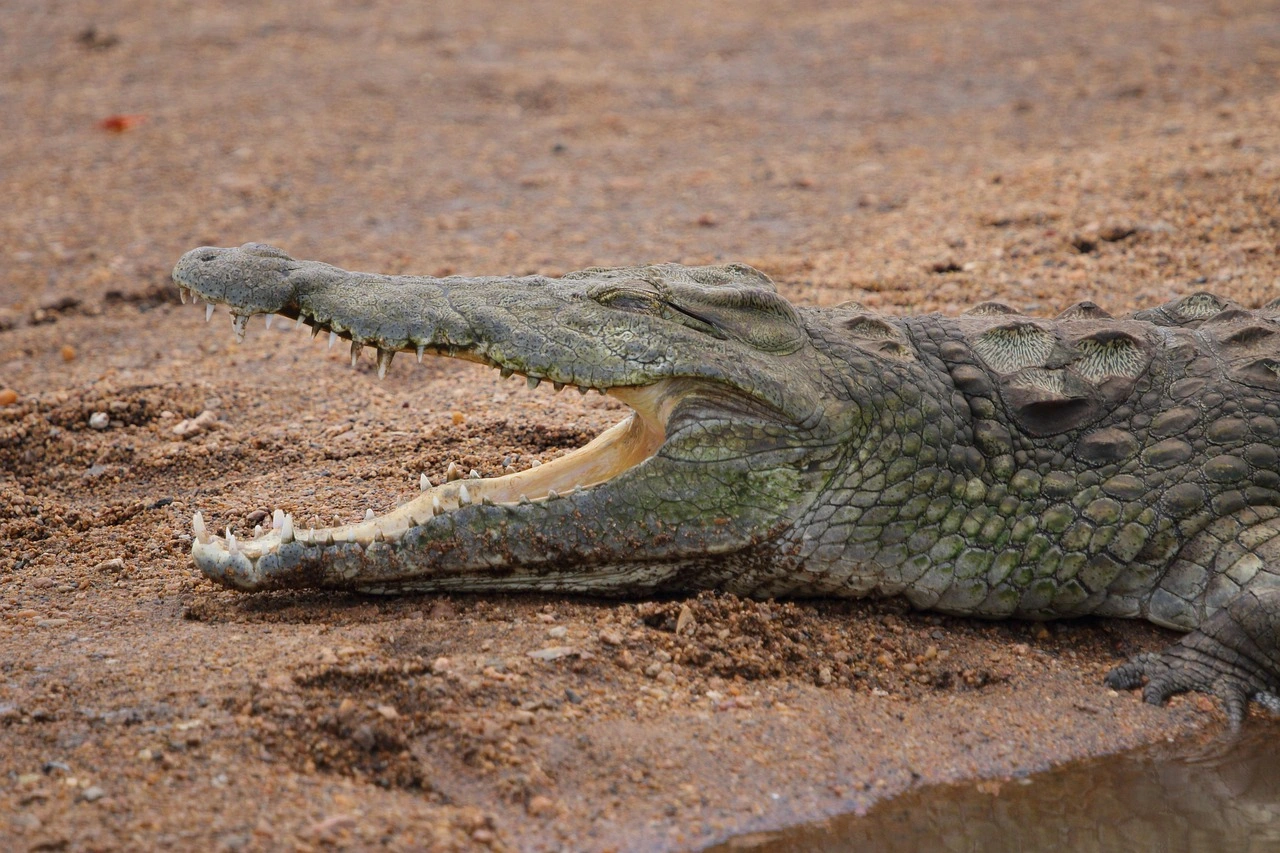 Nile Crocodile
Common
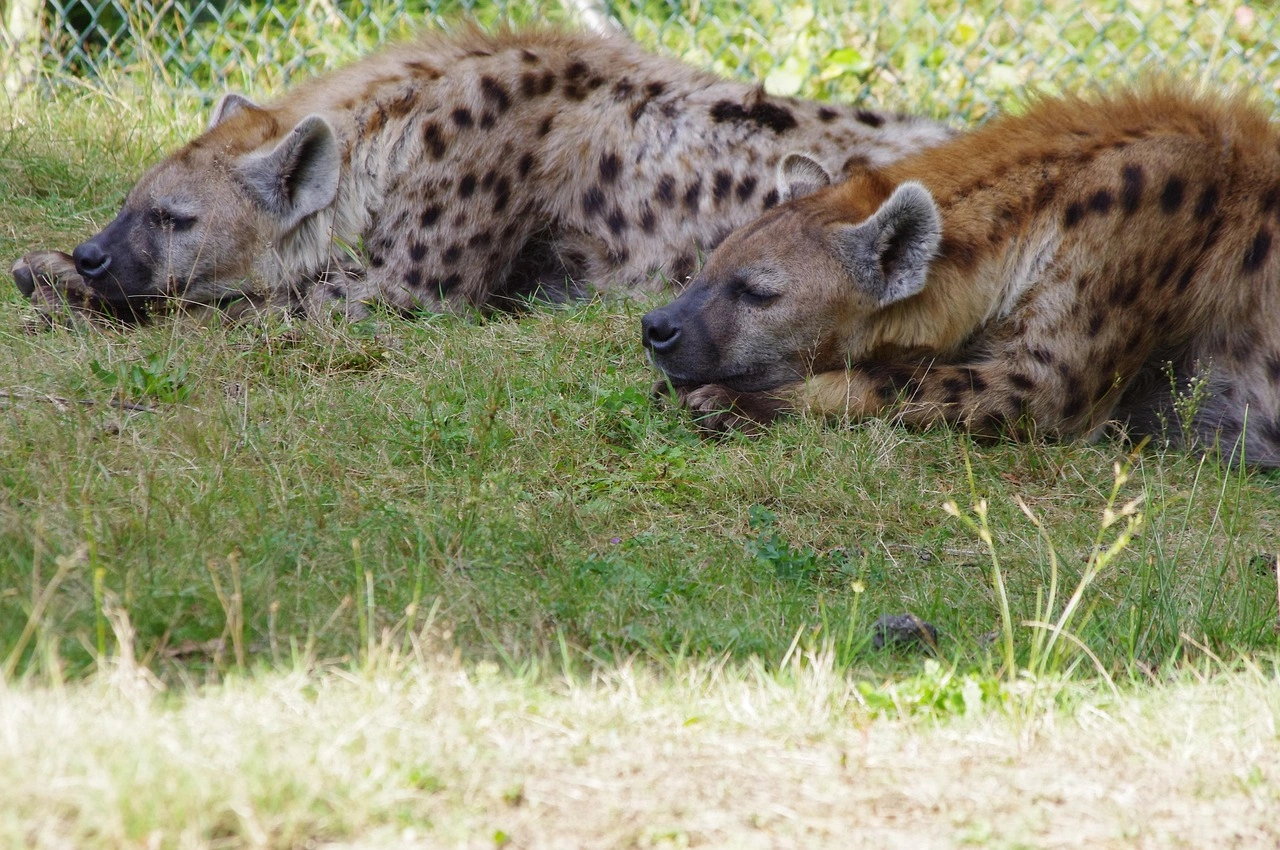 Spotted Hyena
Occasional
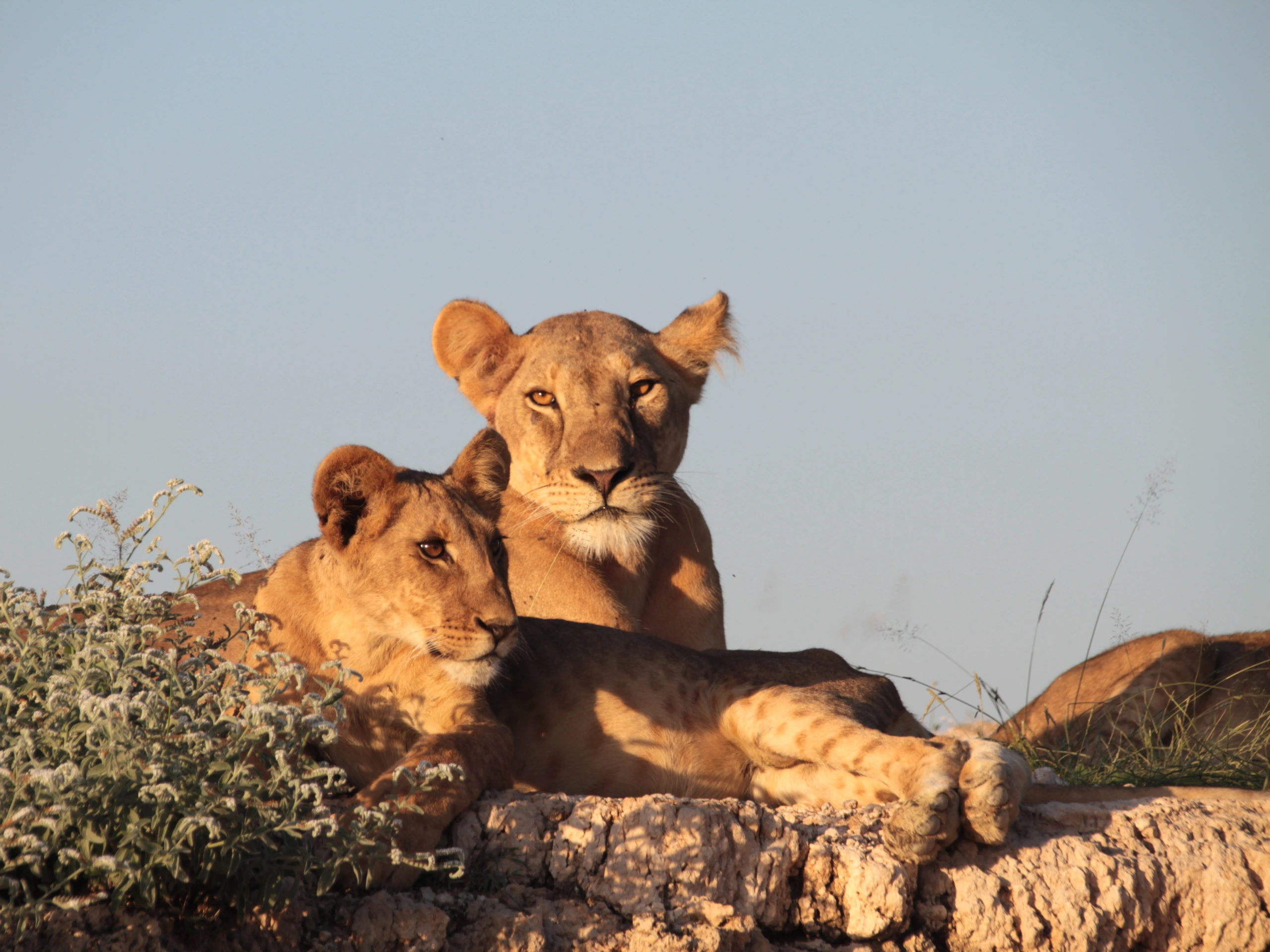 Lion
Occasional
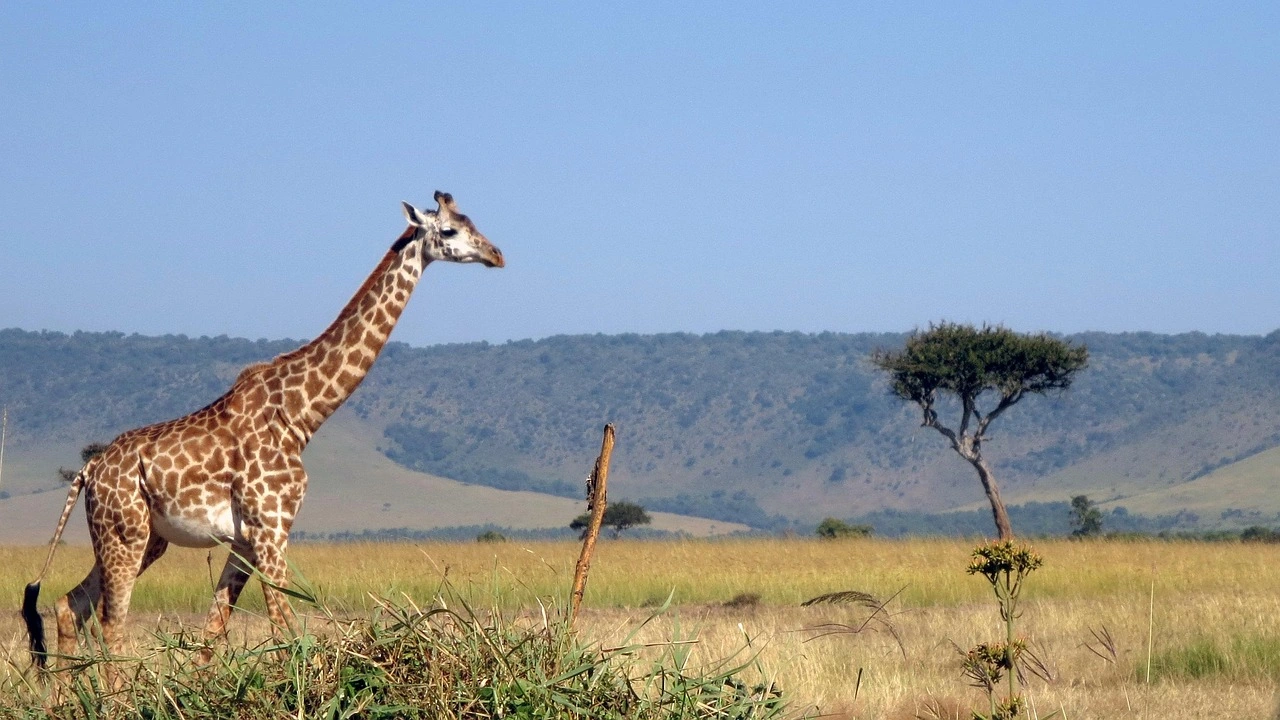 Giraffe
Occasional
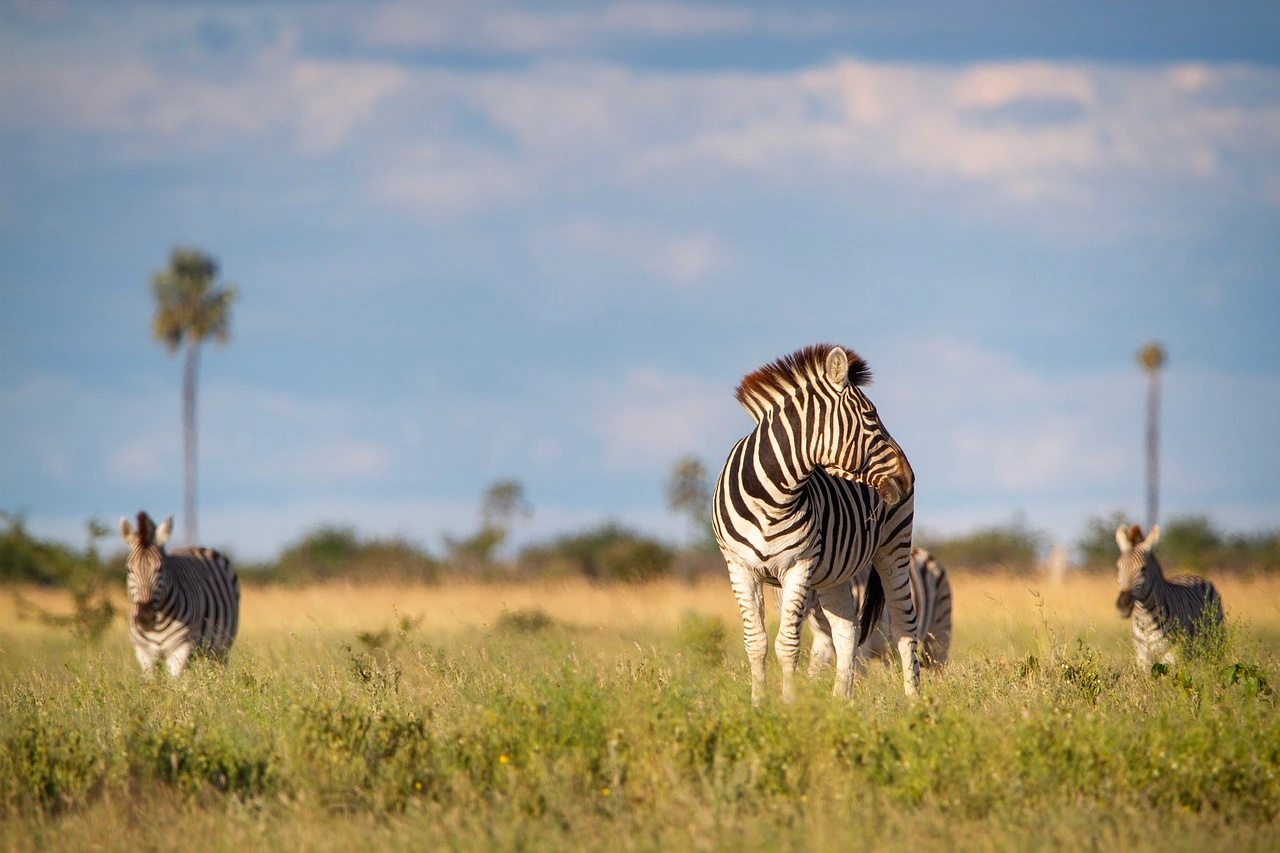 Plains Zebra
Occasional
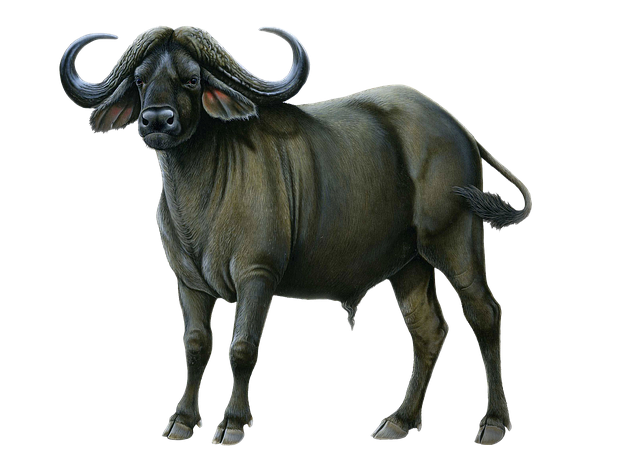 African Buffalo
Occasional
 Gerenuk
Rare
 Lesser Kudu
Rare
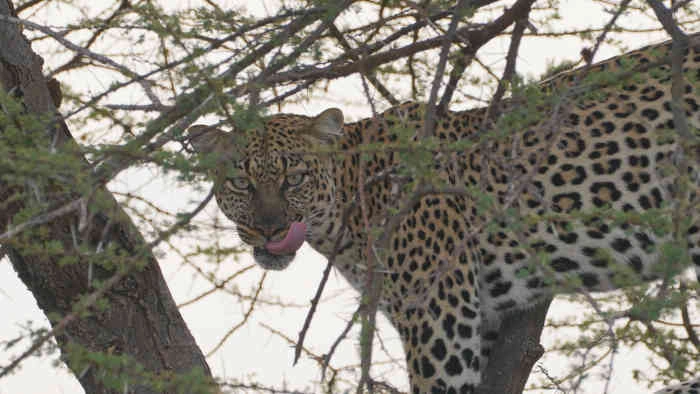 Leopard
Rare to None
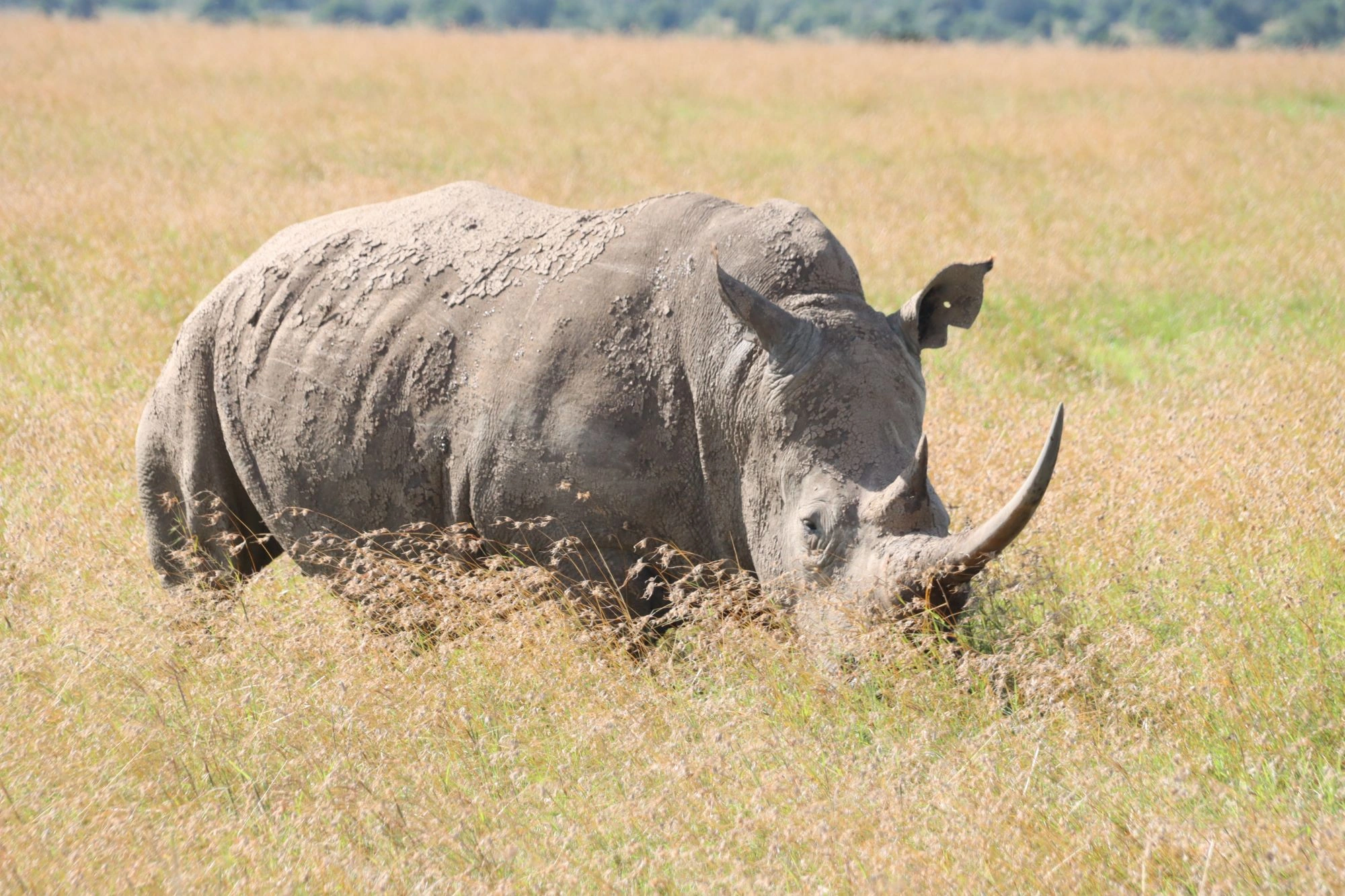 Black Rhinoceros
None
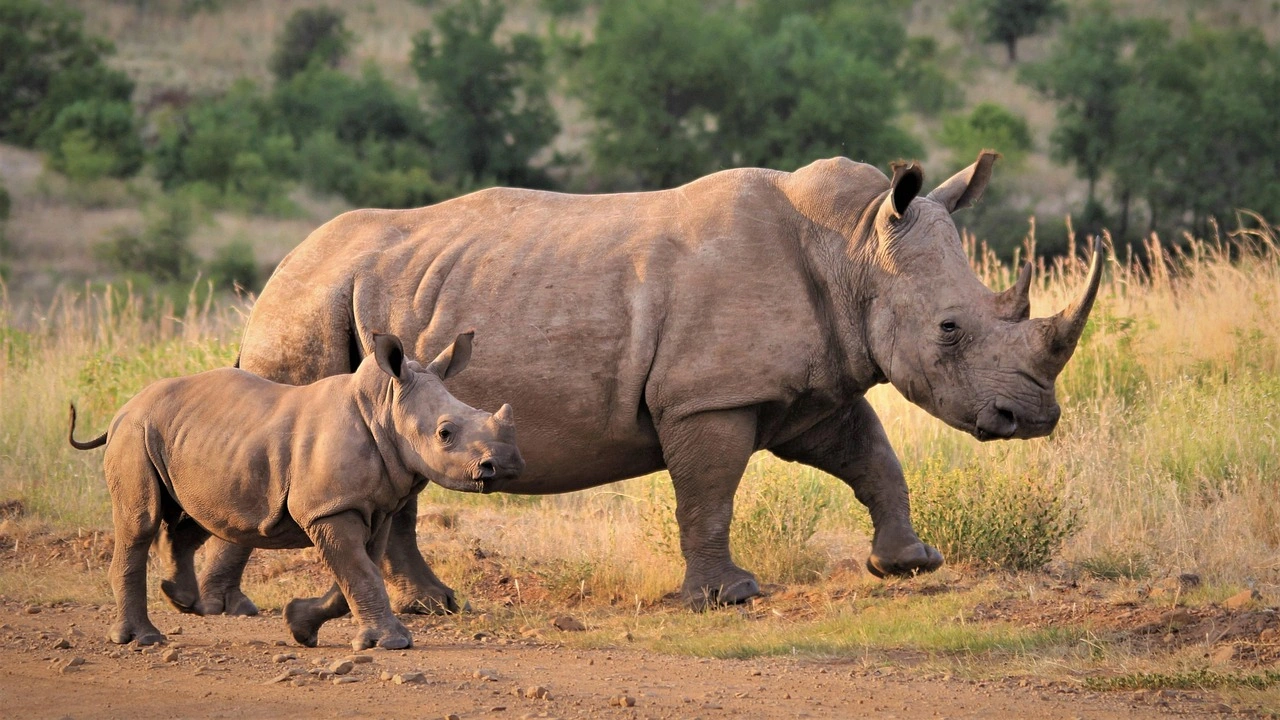 White Rhinoceros
None
Birding
Birds of Kora National Park
Kora is considered a strong birding destination despite its low profile. The combination of dry bush, open country, inselbergs and the Tana River creates varied habitat. Several birds associated with the wider Meru–Kora region may be encountered, including raptors, dry-country species and river specialists. Because published Kora-specific bird lists are limited, the species panel should be treated as representative of the connected conservation landscape rather than a guarantee of sightings.
Notable Birds in Kora National Park
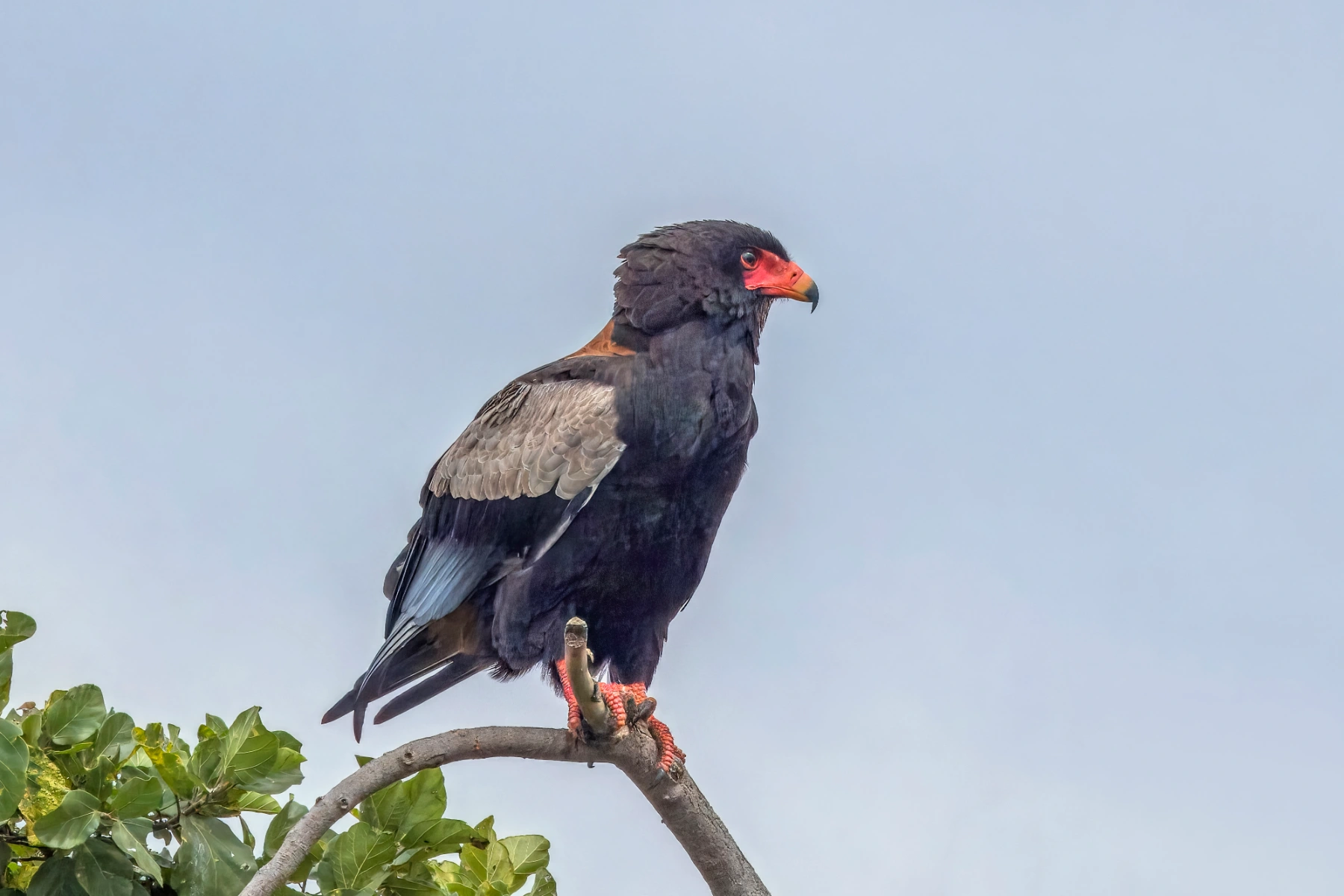
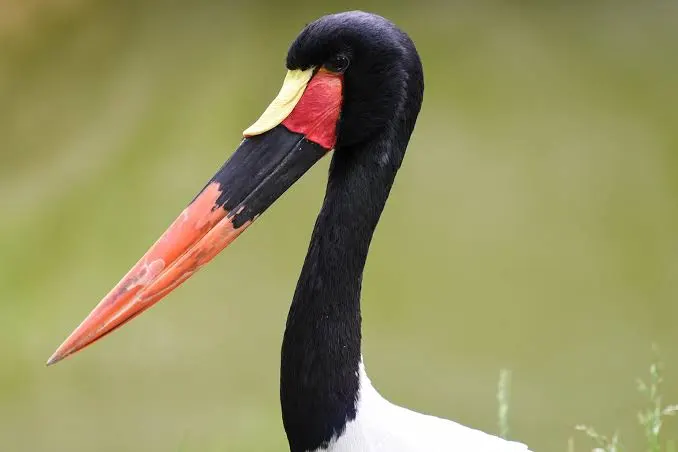
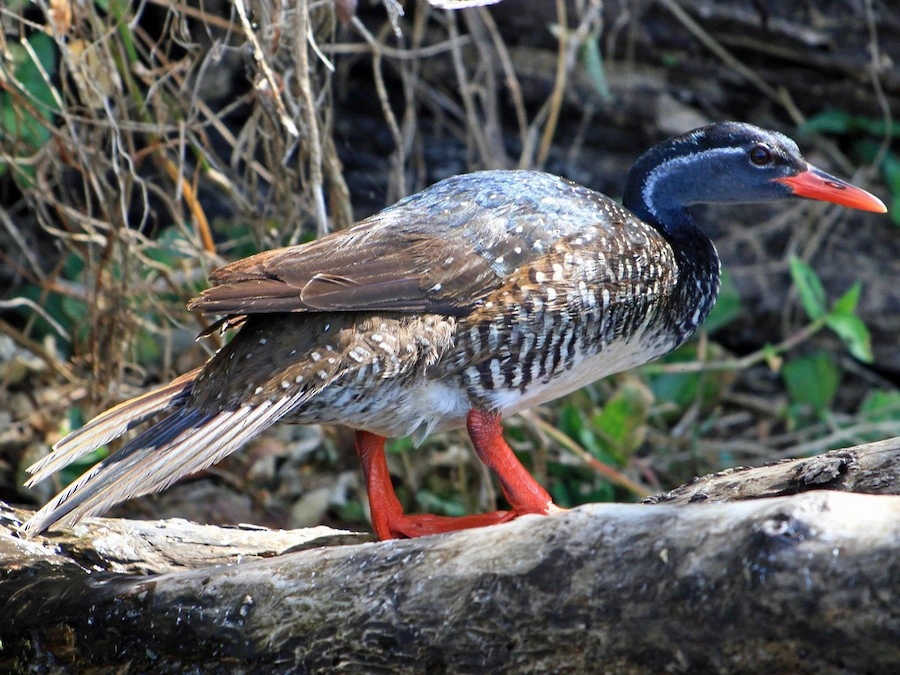
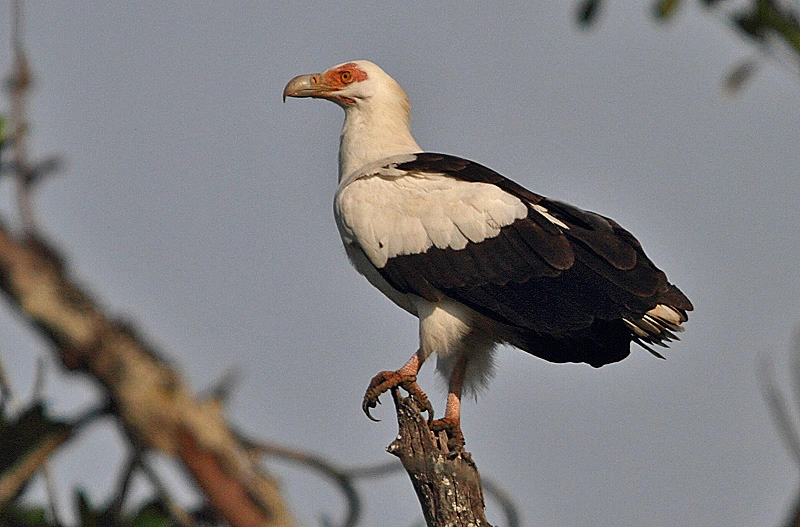
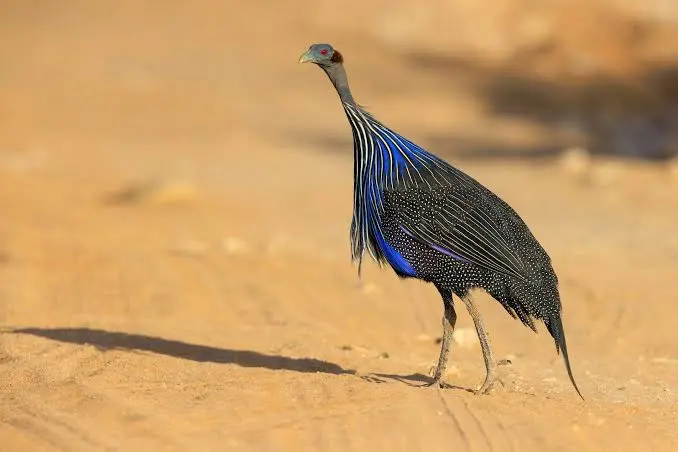
Birding Specials
Treats for avid birders(NE) near-endemic = mainly restricted to Kenya and neighbouring areas.
- Martial Eagle
- Pel's Fishing-owl
- Rosy-patched Bush-shrike
- Somali Bee-eater
- Golden-breasted Starling
- White-bellied Go-away-bird
Planning by season
Best Time To Visit Kora National Park
June to October is the most practical time to visit. Roads are generally drier and wildlife is easier to detect than during the greener wet months.
- June–October: best overall road conditions and wildlife visibility.
- December–March: another useful travel period, though the park remains hot and remote.
- November–May: rain can make roads difficult, vegetation becomes taller and wildlife disperses more widely.
Climate guide
Weather & Climate
Kora is hot and generally dry. The strongest rains fall within Kenya’s broader November-to-May wet period, although rainfall is variable. Heat can be intense during the day, while sudden rain can rapidly change road conditions in remote sections. Visitors should carry ample drinking water and be prepared for self-sufficient travel.
Route planning
How To Get To Kora National Park
By road: KWS places Kora about 280 km northeast of Nairobi. Routes approach through Thika, Mwingi, Tseikuru and local access gates, or through Meru National Park. Adamson’s Bridge across the Tana River connects the two parks. KWS advises 4WD throughout the year.
By air: KWS lists Kyethoni and Kampi ya Simba airstrips in Kora, with additional access possible through the Meru conservation area.
Official park information: use the Kenya Wildlife Service Kora National Park page. Pay park-entry fees through the official KWS eCitizen portal. Because Kora is remote, confirm gate access, road conditions and current operational guidance with KWS before departure.
Map