About the Giraffe
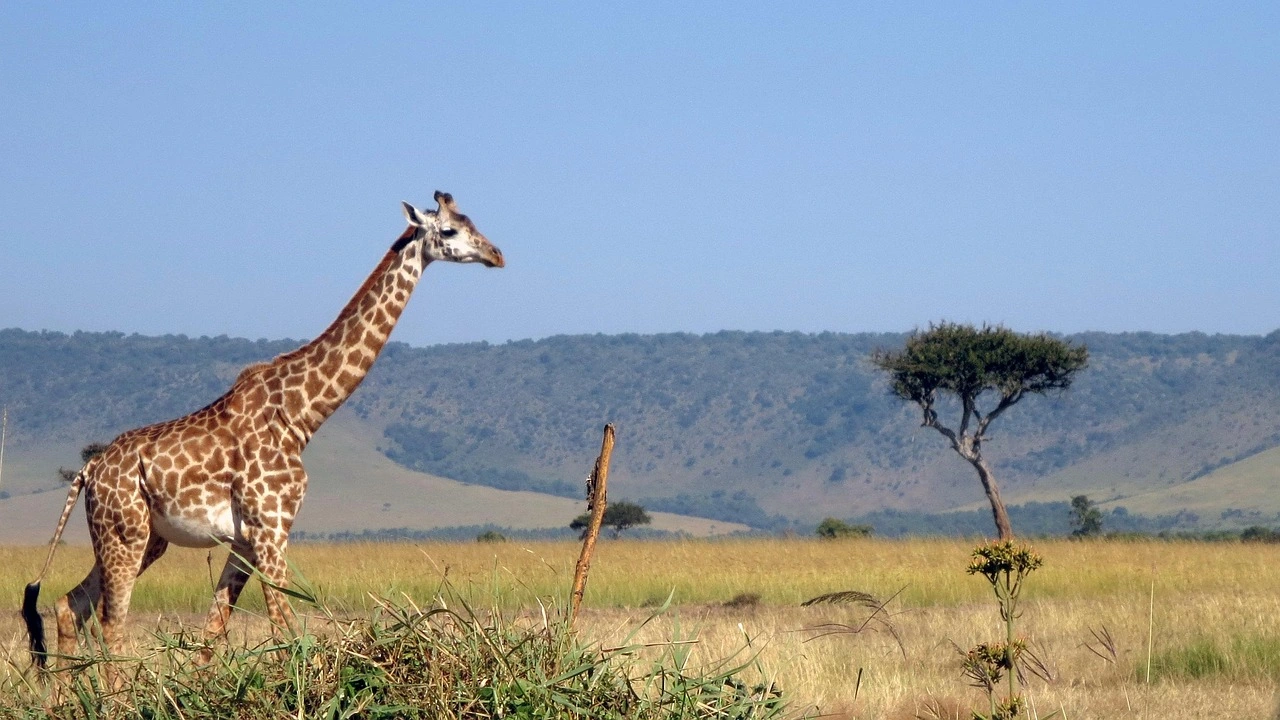
Masai giraffes have jagged, irregular dark patches separated by lighter lines. Their extremely long neck, long legs and prehensile tongue allow access to foliage well above the reach of most herbivores.
Giraffes form flexible social groups rather than fixed herds. Females may associate with calves in nursery groups, while adult bulls range widely and sometimes spar by swinging the neck and head in a behaviour known as necking.
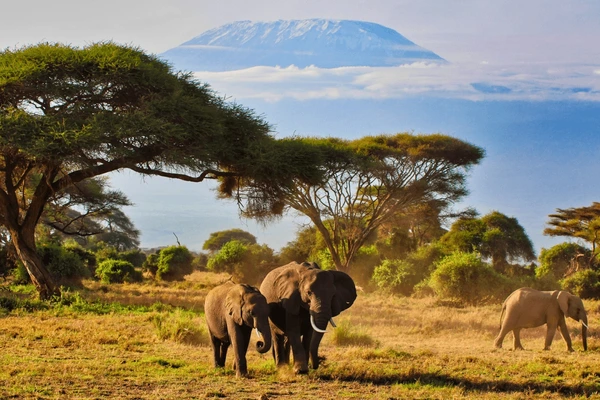
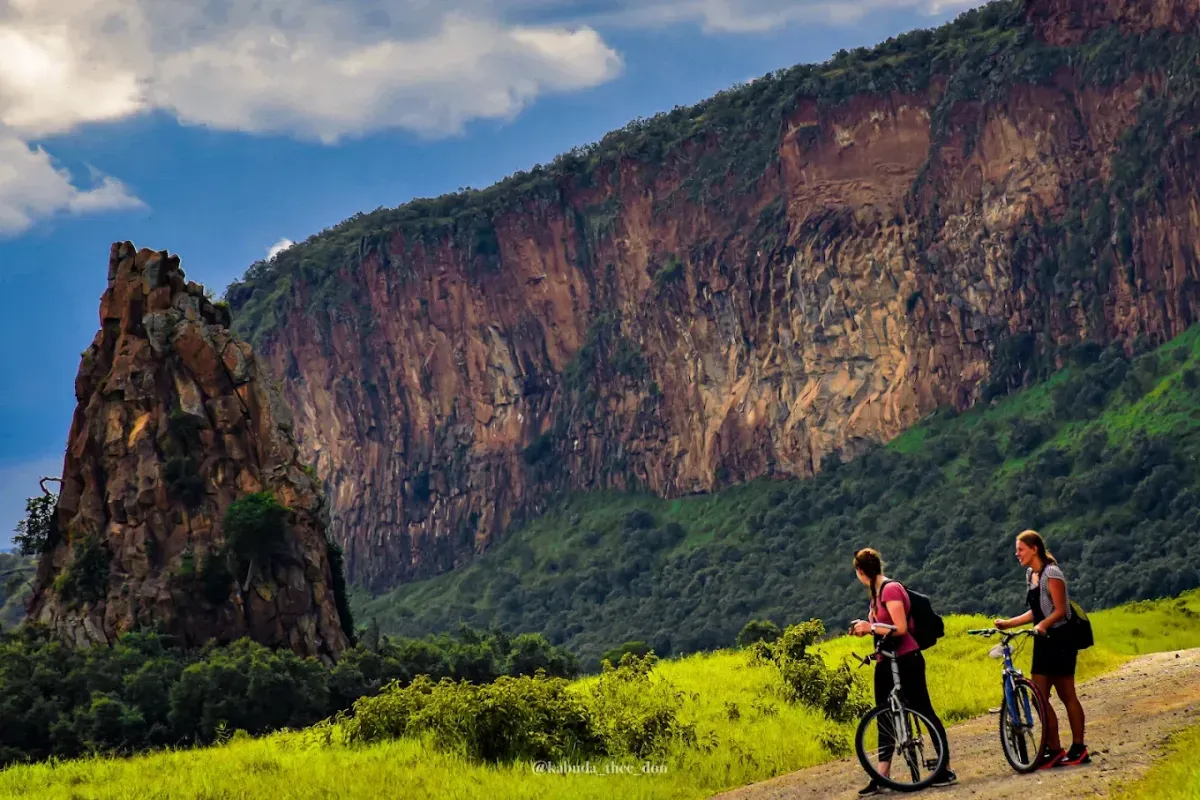
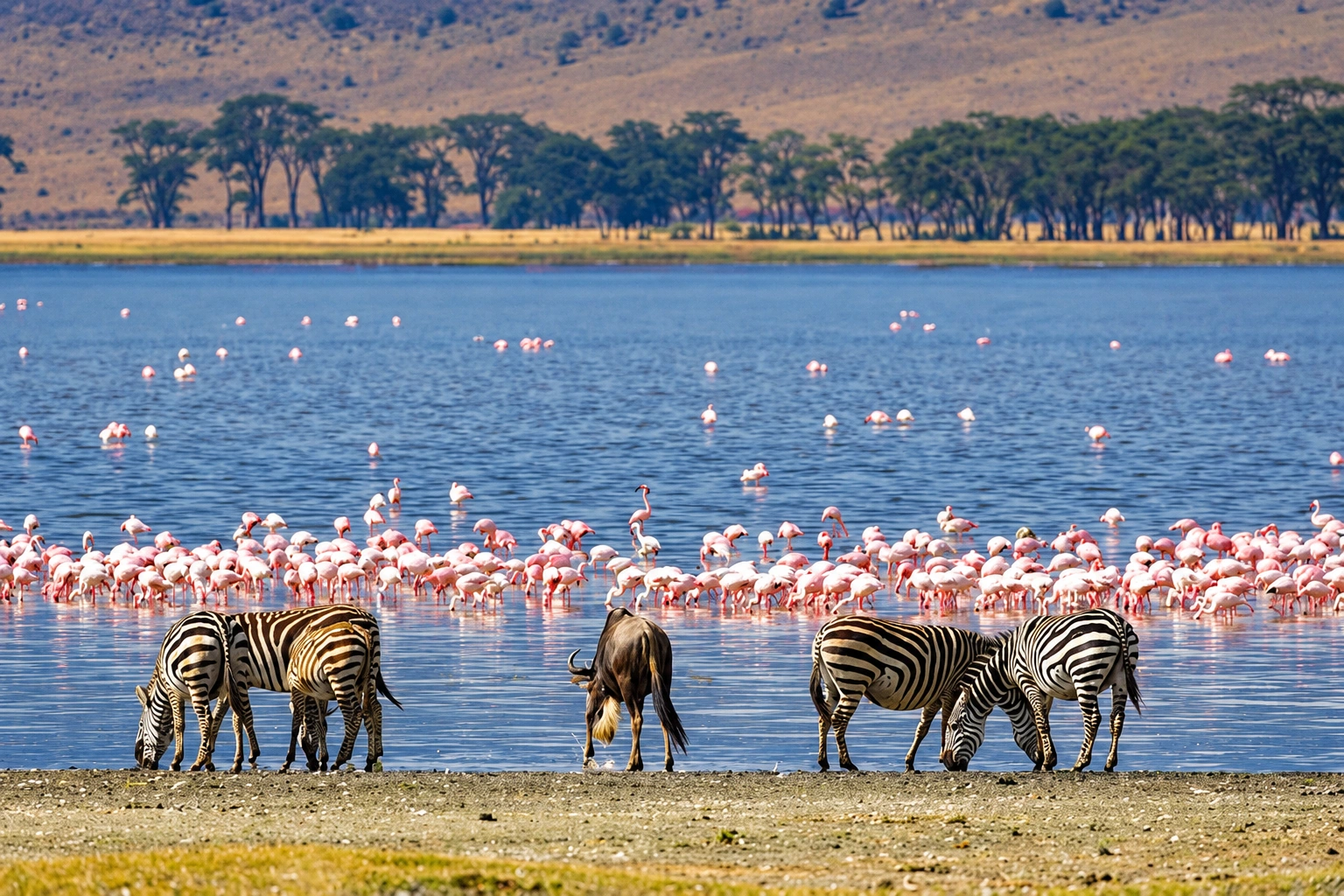
Safari context in Kenya: Within the current Greatlink Safaris destination network, useful places to look for this species include Amboseli National Park, Hell's Gate National Park, and Lake Nakuru National Park. Sightings remain natural and unpredictable, so Greatlink Safaris plans around habitat, season and realistic wildlife expectations rather than guarantees. Travellers can also explore the Kenya wildlife guide or compare private Kenya safaris that visit suitable ecosystems.
Conservation: Masai giraffes were assessed as Endangered under the previous subspecies framework. A 2025 IUCN SSC taxonomic review recognised Masai giraffe as a distinct species, and conservation assessments are being updated under that framework. For the latest global assessment and taxonomic notes, consult the IUCN conservation reference. Kenya protected area information is also available from the Kenya Wildlife Service.
Interesting facts and identification clues
- Each giraffe has an individually unique coat pattern.
- The dark tongue is long and dexterous, useful for stripping leaves around thorns.
- Giraffes can browse at heights unavailable to most other large herbivores.
- Calves are vulnerable to lions, hyenas and other predators despite their mothers’ defence.
- Kenya supports Masai, reticulated and Nubian giraffe lineages, so location is important for identification.
Responsible viewing: Keep a respectful distance, avoid blocking the animal’s route, keep noise low and follow the driver guide’s instructions. Wildlife behaviour changes with weather, breeding, food, water and human pressure, so every encounter should be treated as an unscripted observation.
Content reviewed 1 Oct 2026