
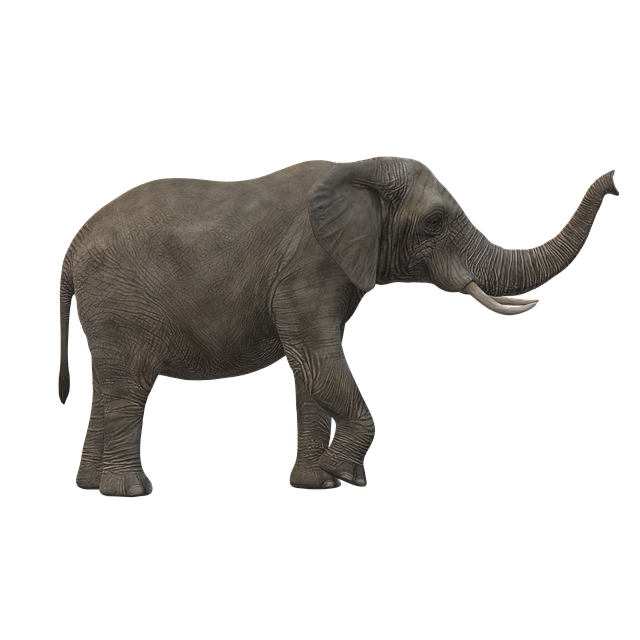
 African Elephant
Abundant
Overview
Tsavo West National Park Travel Guide
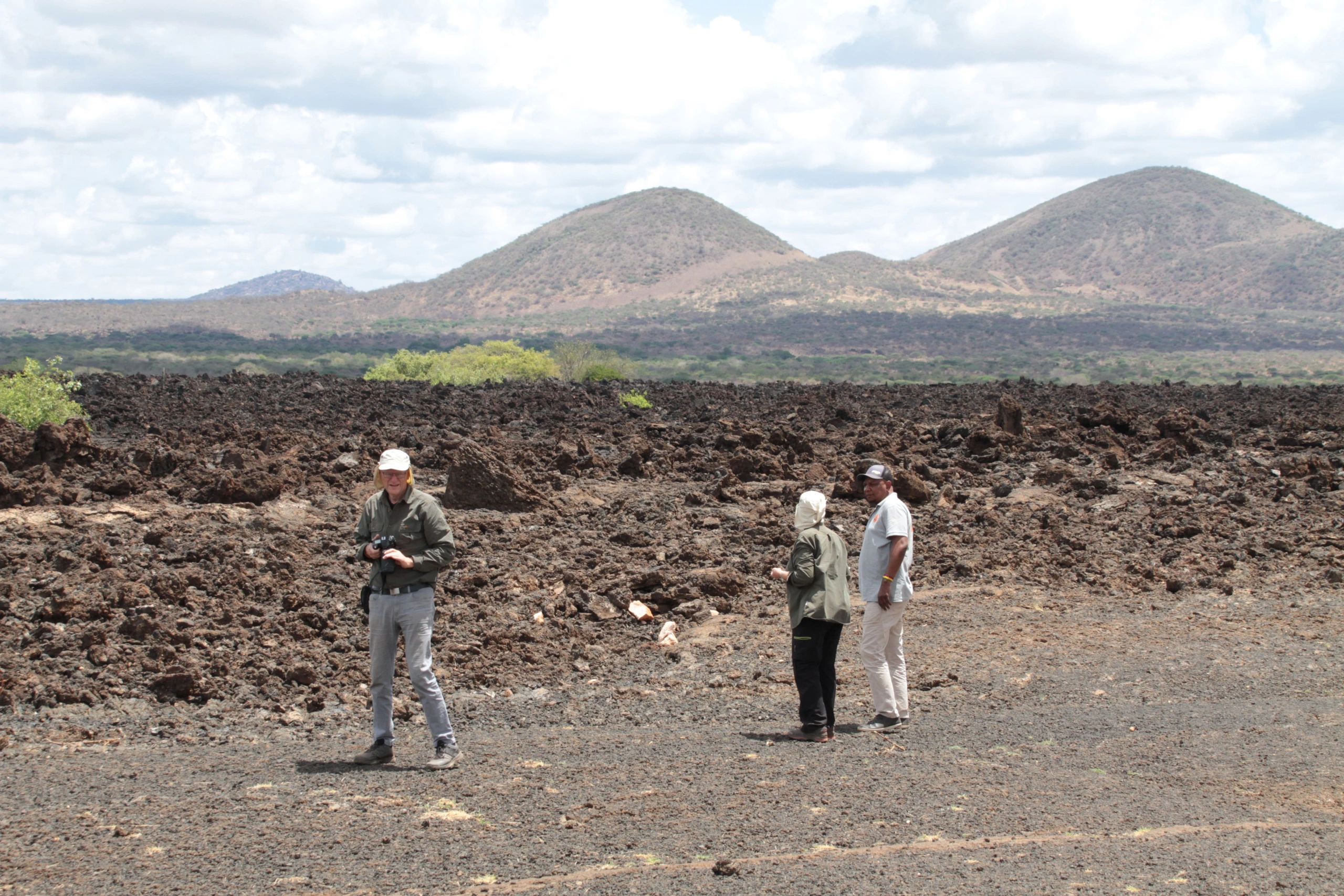
Tsavo West National Park is the more rugged and topographically varied half of the wider Tsavo landscape. Lava flows, wooded hills, rocky viewpoints, springs and open savannah create a park that often feels dramatically different from neighbouring Tsavo East National Park.
Mzima Springs is the best-known attraction, where clear groundwater emerges from beneath volcanic rock and supports hippos, crocodiles, fish and lush vegetation. Other major landmarks include Shetani Lava Flow, Chaimu Crater, the Ngulia Hills, Roaring Rocks, Poacher’s Lookout and Lake Jipe. The park is also important for black-rhino conservation through the Tsavo West rhino sanctuary.
Tsavo West combines especially well with Amboseli National Park, creating a route that links volcanic scenery and springs with Kilimanjaro views and elephant-rich plains.
Why Visit Tsavo West National Park?
- Mzima Springs: a clear-water oasis with hippos, crocodiles, fish and a short walking trail.
- Rhino conservation: a major protected area for black rhino within the Tsavo ecosystem.
- Volcanic scenery: Shetani Lava Flow, Chaimu Crater and the Ngulia Hills.
- Scenic viewpoints: Roaring Rocks and Poacher’s Lookout provide broad views across the park.
- Strong combination routes: easy to pair with Tsavo East and Amboseli on longer safaris.
Scenery & Habitats
Tsavo West is a mosaic of dense bush, open plains, lava fields, rugged hills and spring-fed oases. Black volcanic rock contrasts with the red Tsavo soil, while Mzima Springs forms a cool green pocket beneath palms and fever trees. In the south, Lake Jipe creates wetland habitat along the Tanzania border and adds a completely different visual character.
Activities
Game drives and birding dominate most visits. Mzima Springs offers a short designated walk, while Chaimu Crater can provide an opportunity to leave the vehicle in an approved area. Viewpoints and volcanic features make Tsavo West especially rewarding for landscape photography. Many private itineraries combine the park with Tsavo East or Amboseli.
Wildlife
Wildlife in Tsavo West National Park
All of the Big Five occur in the wider park, although wildlife densities are lower than in some smaller Kenyan reserves and thick vegetation can make sightings unpredictable. Elephant, buffalo and lion are regularly sought, leopard is possible, and the rhino sanctuary improves the chances of seeing black rhino. Mzima Springs and Lake Jipe add hippo and crocodile habitat, while lesser kudu and gerenuk represent the park’s dry-country specialists.
AbundantCommonOccasionalRareNone
African Elephant
Abundant
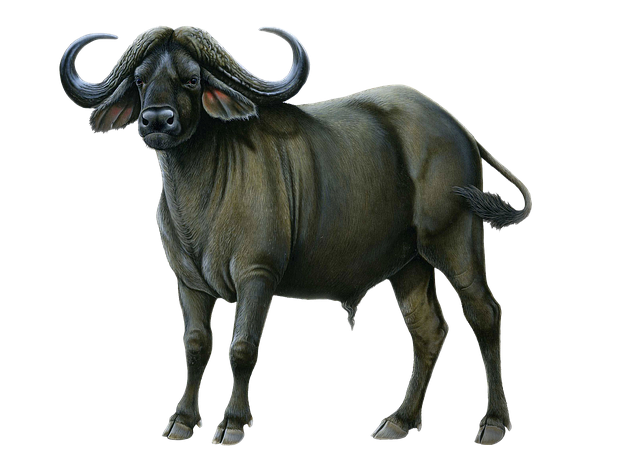 African Buffalo
Common
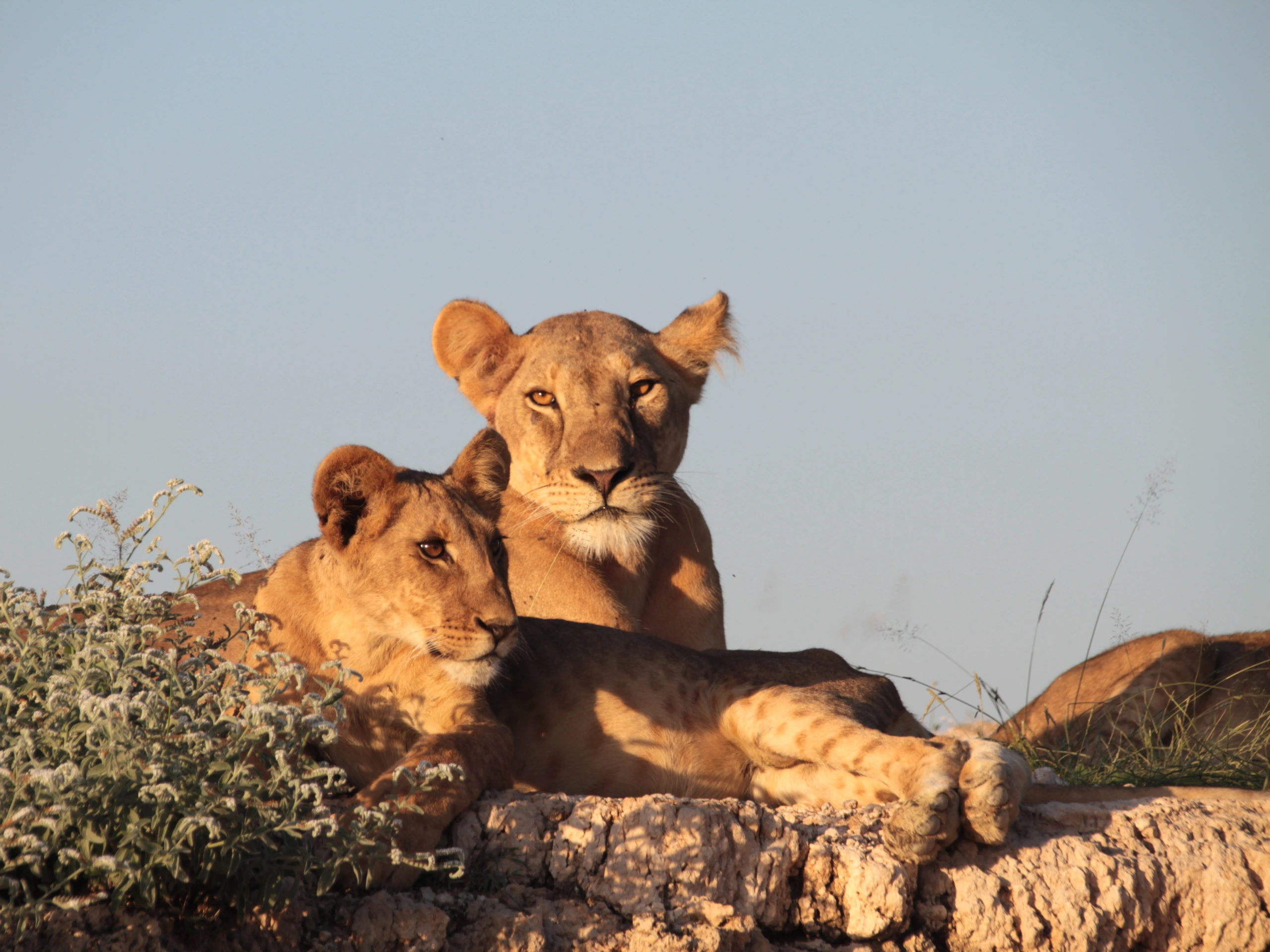 Lion
Common
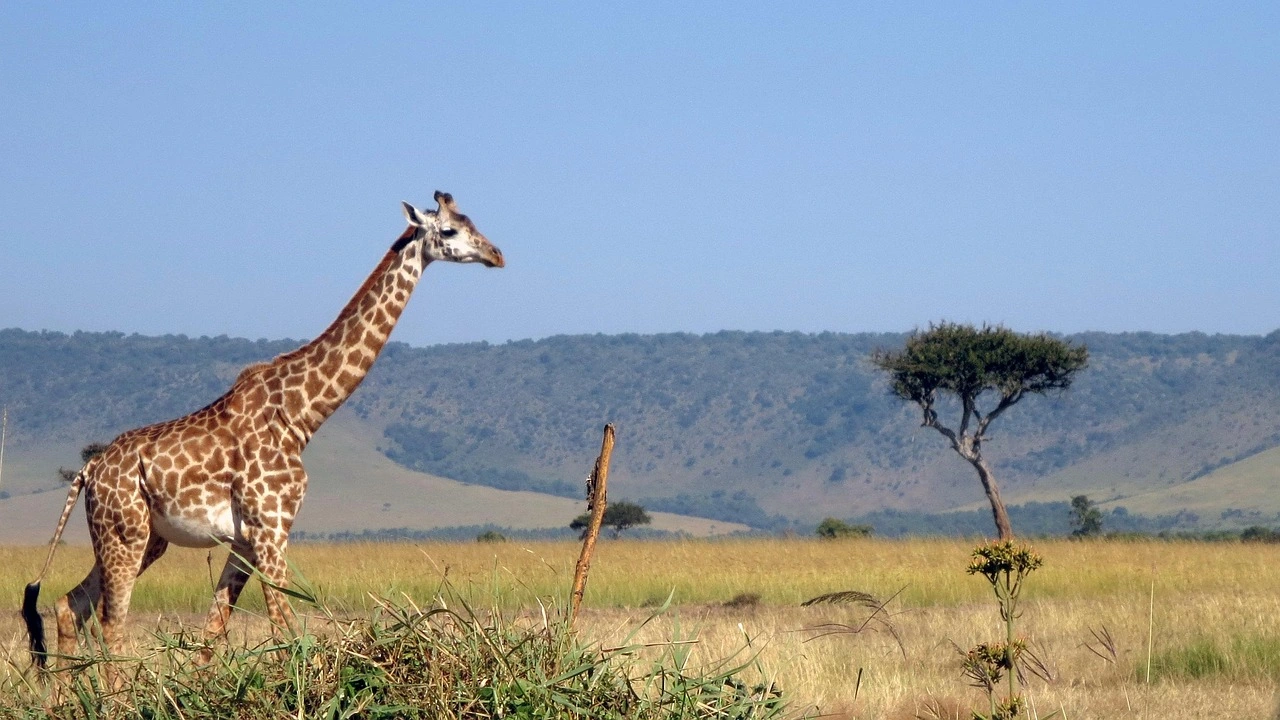 Giraffe
Common
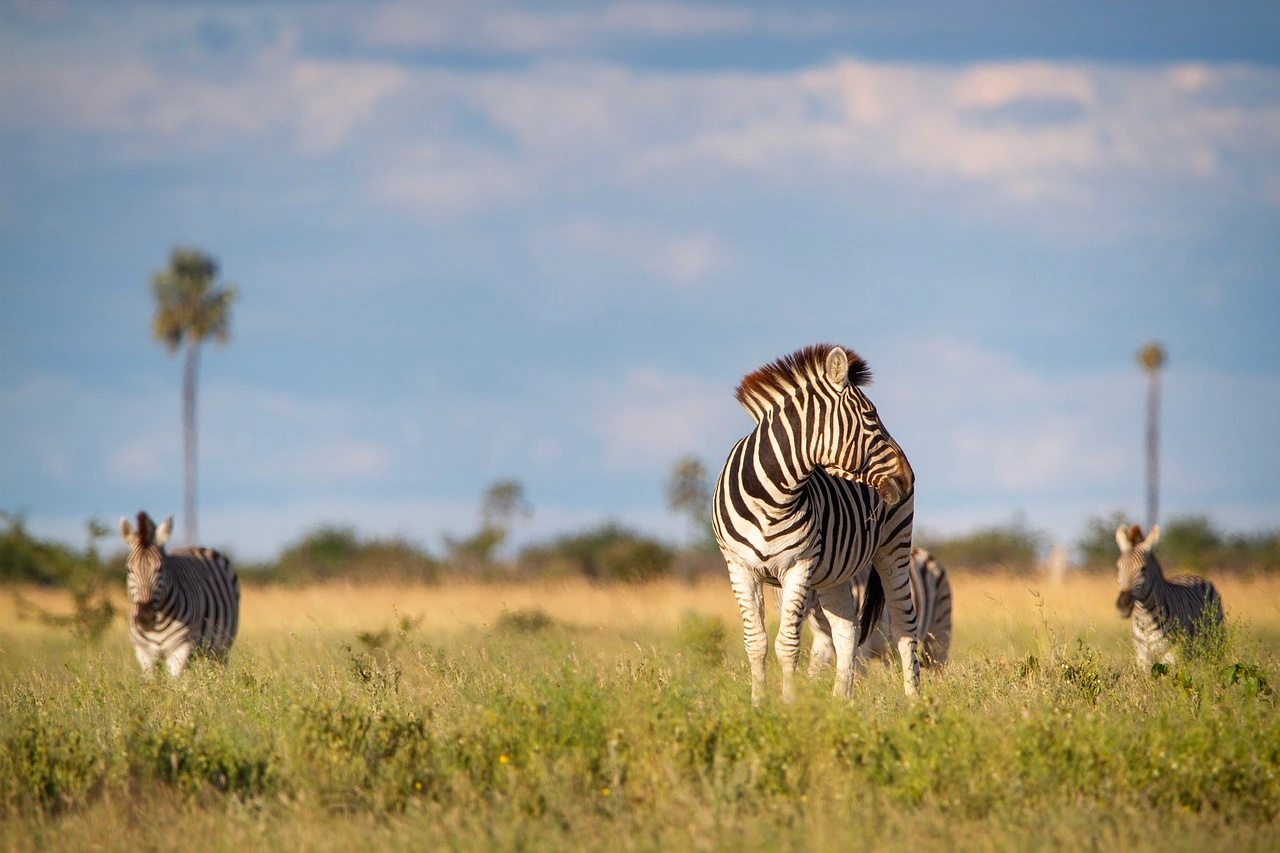 Plains Zebra
Common
 Lesser Kudu
Common
 Hippopotamus
Common
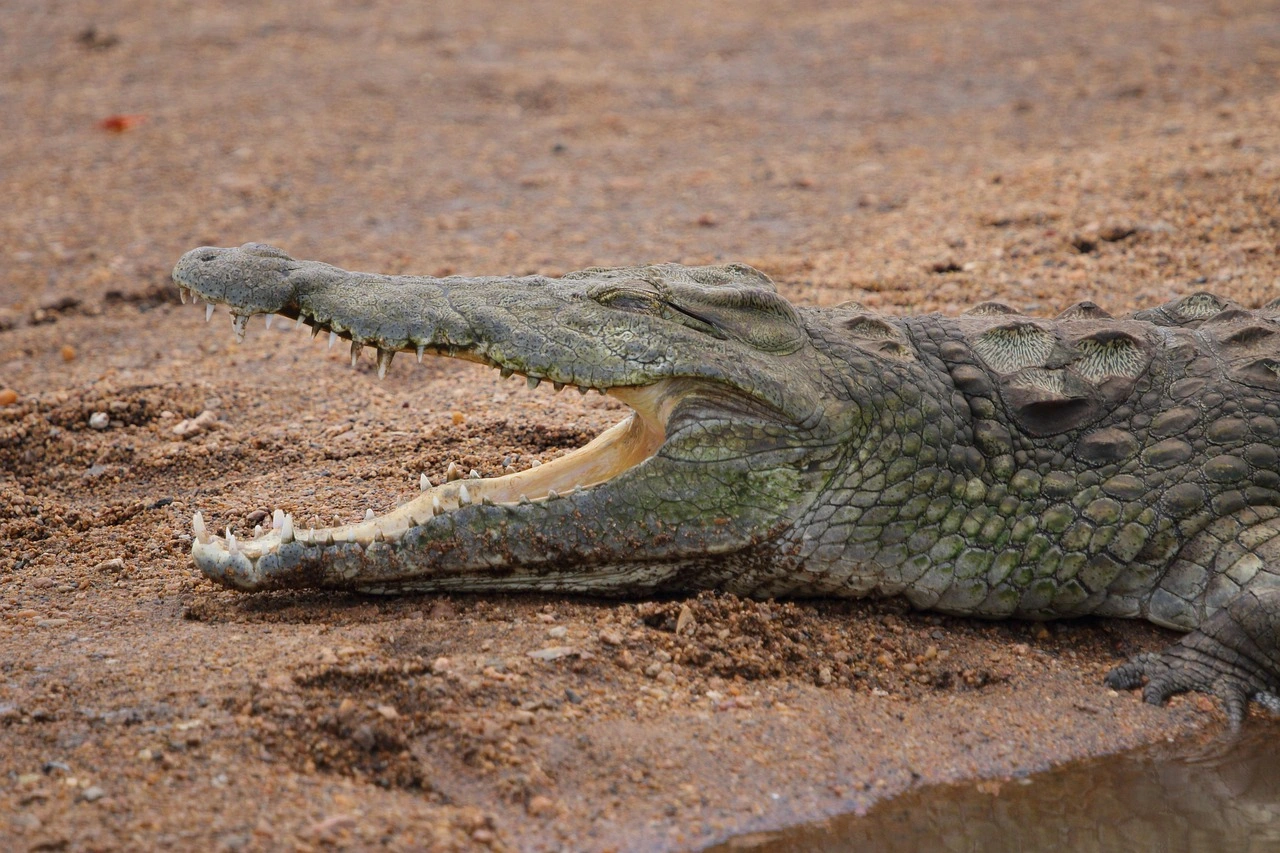 Nile Crocodile
Common
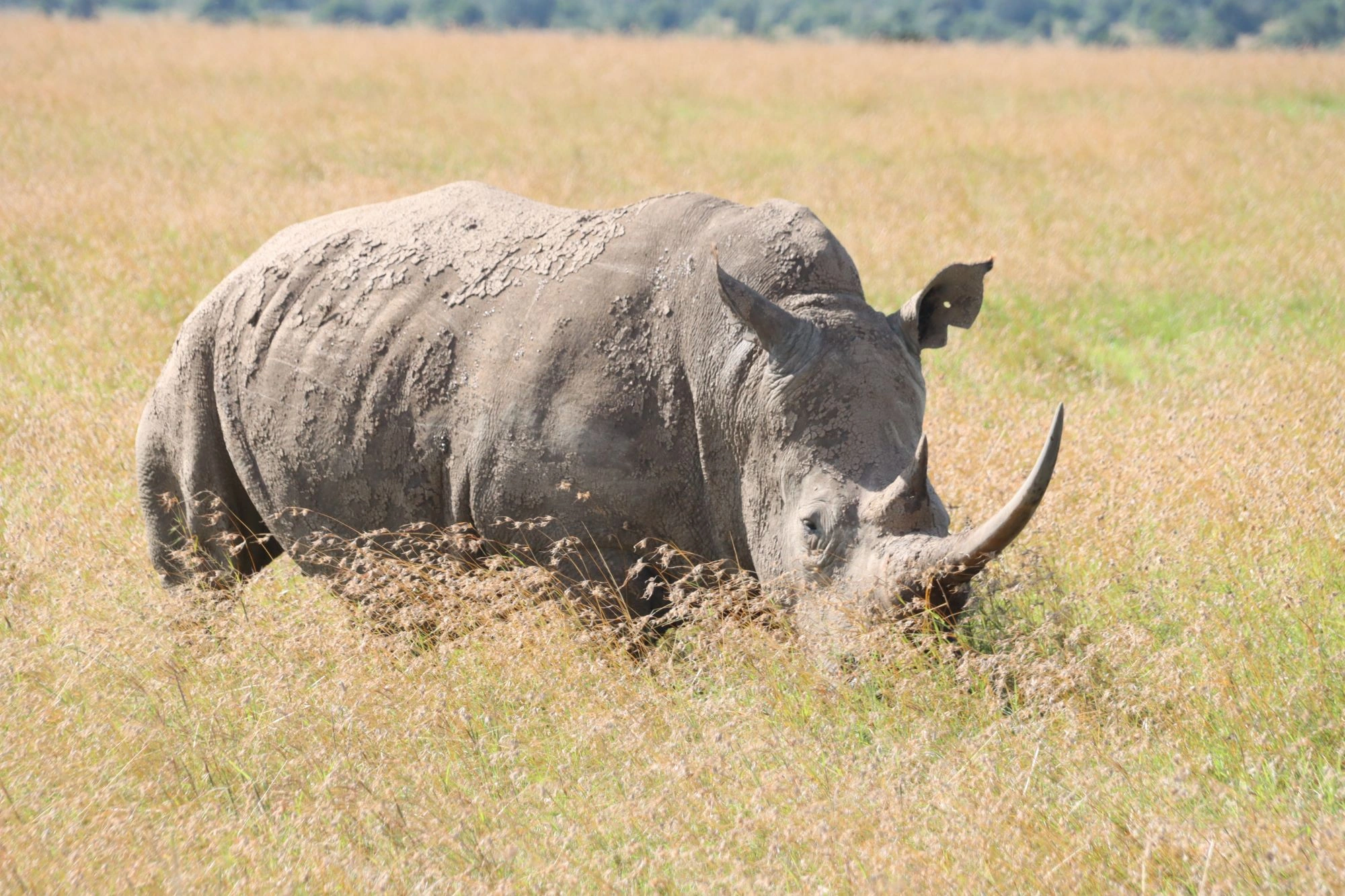 Black Rhinoceros
Occasional
 Gerenuk
Occasional
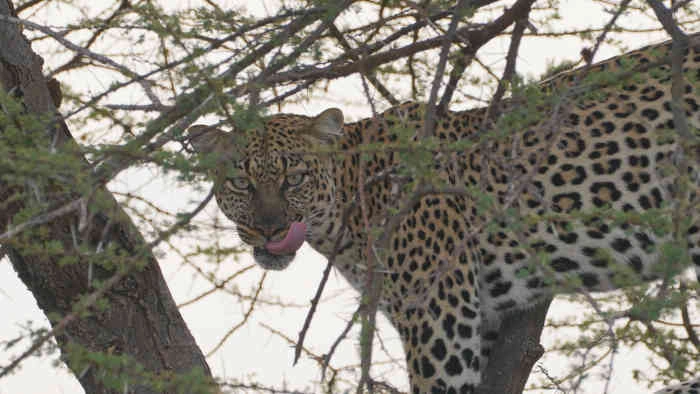 Leopard
Occasional
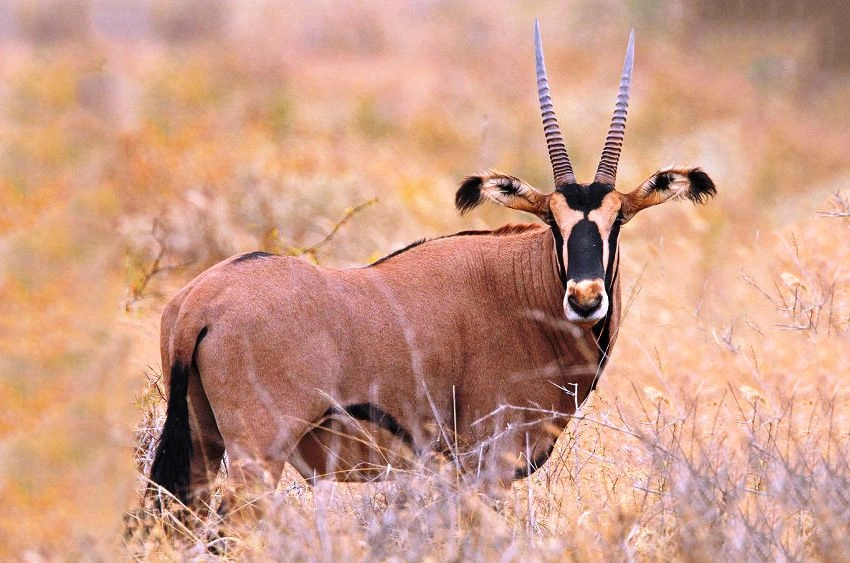 Fringe-eared Oryx
Rare
Birding
Birds of Tsavo West National Park
Tsavo West is one of Kenya’s major birding landscapes. Specialist references list more than 500 species, while KWS highlights an even larger recorded total. Ngulia is especially significant during migration, when large numbers of passage birds move through between roughly November and April. Resident dry-country species keep birding productive throughout the year.
Notable Birds in Tsavo West National Park
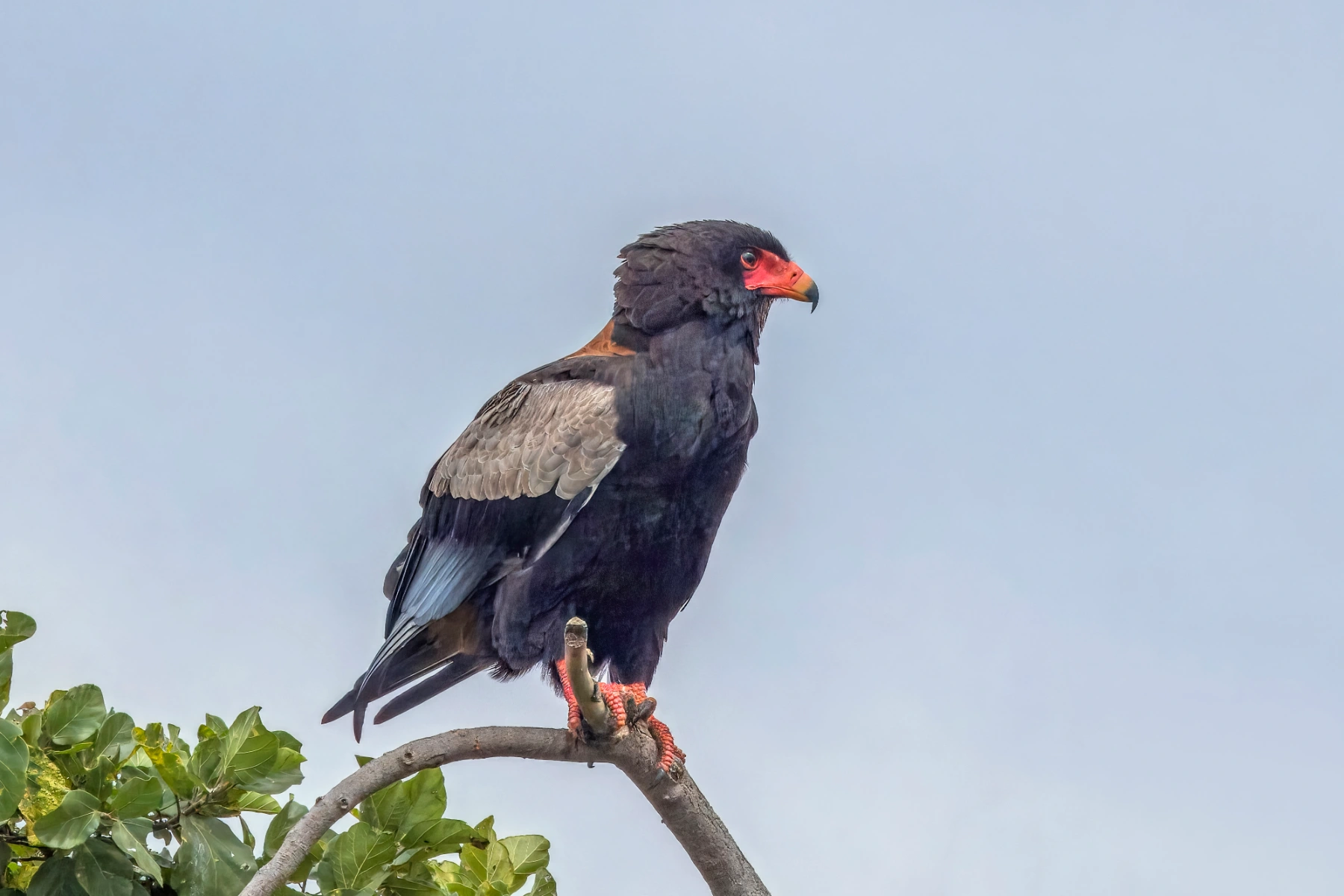
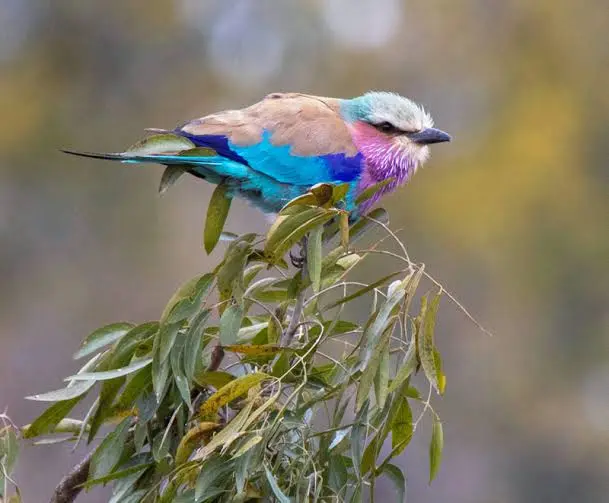
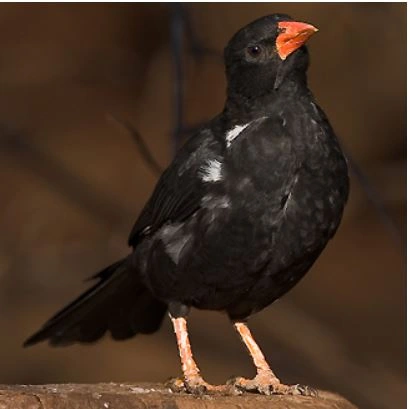
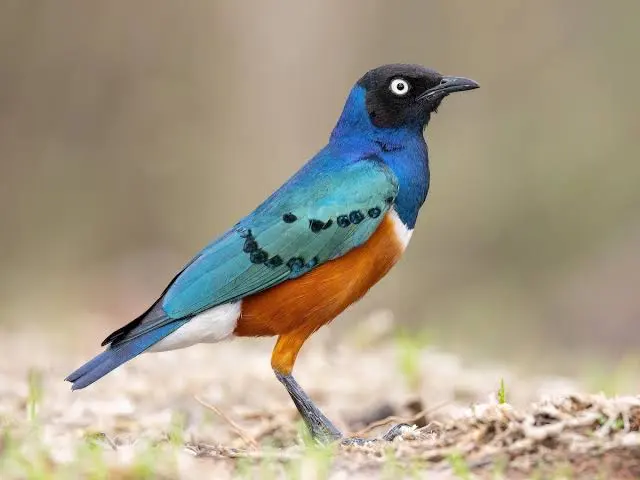
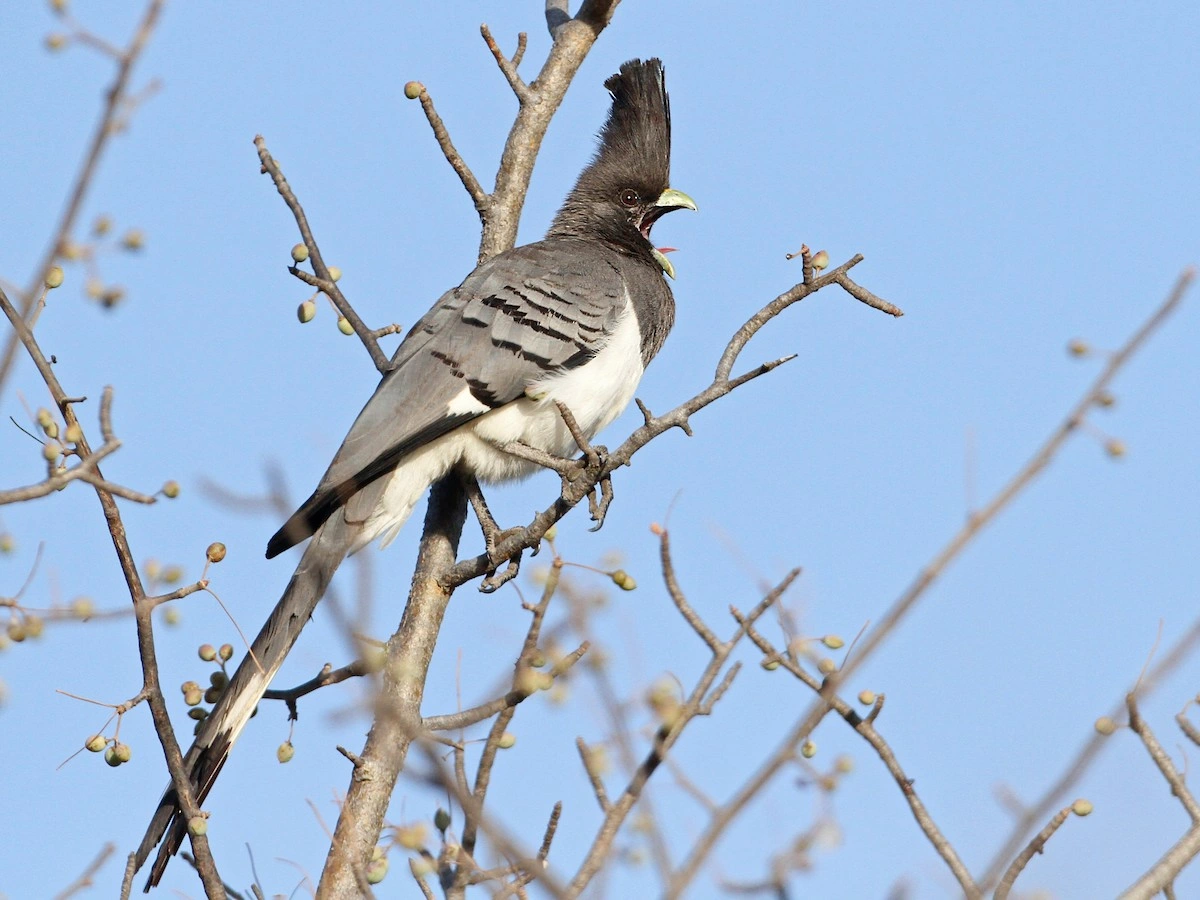
Birding Specials
Treats for avid birders(NE) near-endemic = mainly restricted to Kenya and neighbouring areas.
- African Finfoot
- Basra Reed Warbler
- Black-faced Sandgrouse
- Golden-breasted Starling
- Lesser Kestrel
- Martial Eagle
- Narina Trogon
- Pangani Longclaw
- Taita Falcon
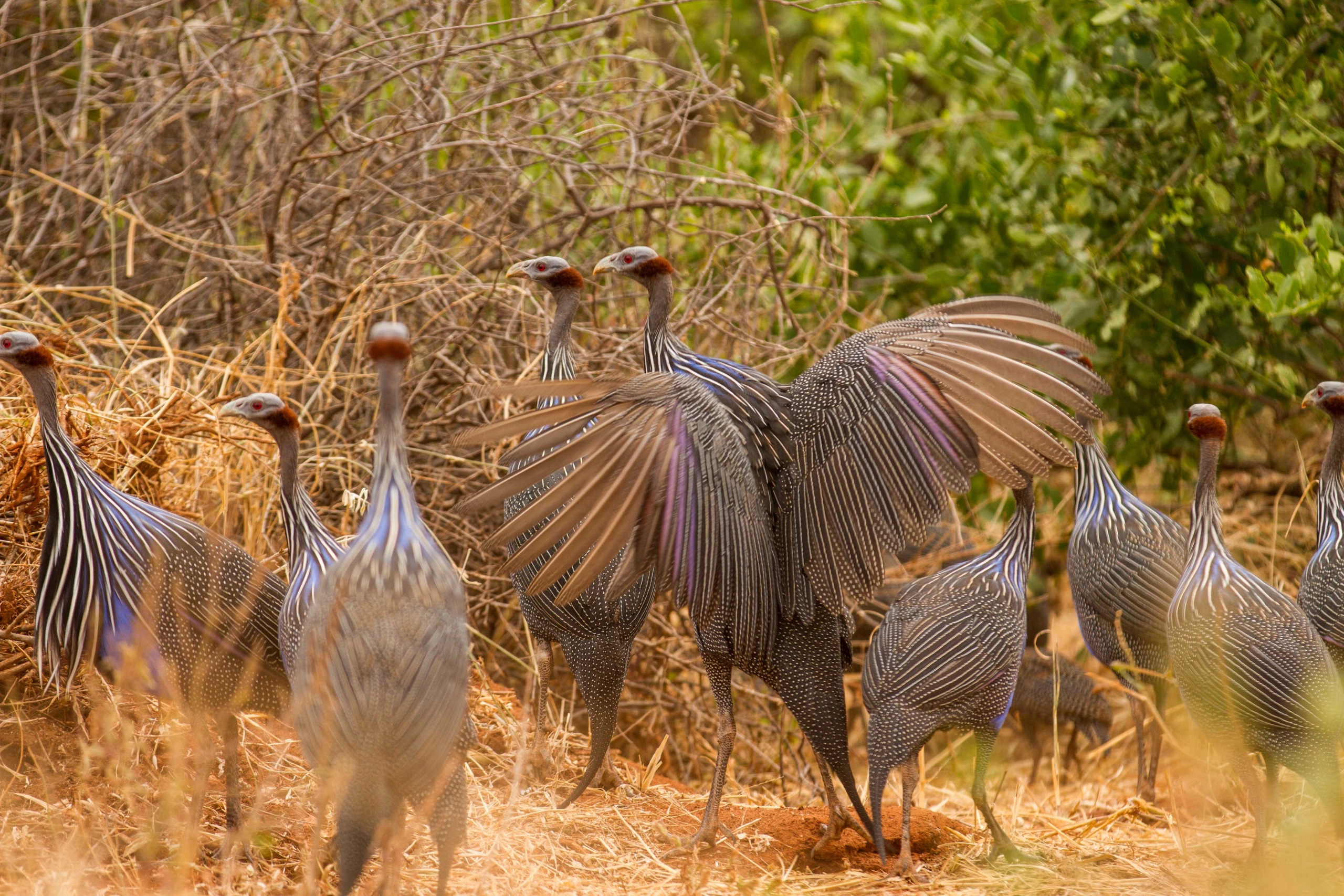
- Vulturine Guineafowl
- Somali Bee-eater
Planning by season
Best Time To Visit Tsavo West National Park
June to October gives the most consistent general wildlife viewing, with thinner vegetation and animals concentrating around water. January and February provide another useful dry spell between the rains.
- Dry season: June–October; best visibility and relatively comfortable driving conditions.
- Short dry spell: January–February; warmer but often productive.
- Wettest periods: April and November, when some roads can become difficult.
Climate guide
Weather & Climate
Most of Tsavo West is hot and dry, although higher ground can be noticeably cooler. Afternoon temperatures are commonly in the upper twenties Celsius, while mornings can feel fresh, especially from June to August. Rainfall generally peaks during the long rains around April and the short rains around November. January and February are usually hot and relatively dry.
Route planning
How To Get To Tsavo West National Park
By road: Mtito Andei Gate lies on the Nairobi–Mombasa corridor. Chyulu Gate is useful when travelling from Amboseli, while other access points include Tsavo River, Lake Jipe, Maktau and Ziwani.
By air: Kilaguni and Finch Hattons are among the better-known airstrips, with additional strips serving other sectors of the park. By rail: selected Nairobi–Mombasa services stop at Mtito Andei, after which onward road transport must be arranged.
Official information: see the Kenya Wildlife Service Tsavo West page. Park-entry applications and payments are processed through the KWS eCitizen park-entry portal.
Map
Where is Tsavo West National Park?
Safaris
Safaris Visiting Tsavo West National Park
Published Greatlink routes that include this destination. Safari pricing is prepared from the traveller's enquiry.
3 Days / 2 Nights
3-Day Tsavo West & Tsavo East Safari
Personalised Quote Based on your enquiry
View Safari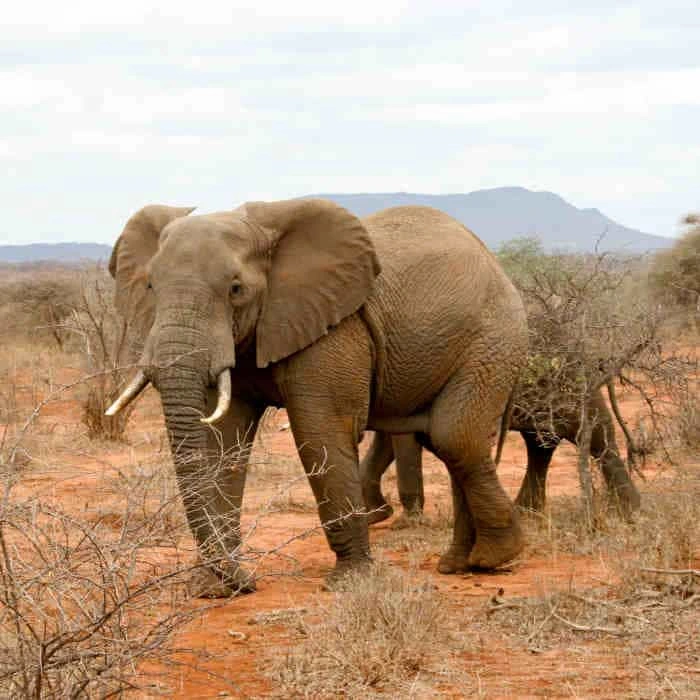
6 Days / 5 Nights
6-Day Shimba Hills, Tsavo & Amboseli Safari
Personalised Quote Based on your enquiry
View Safari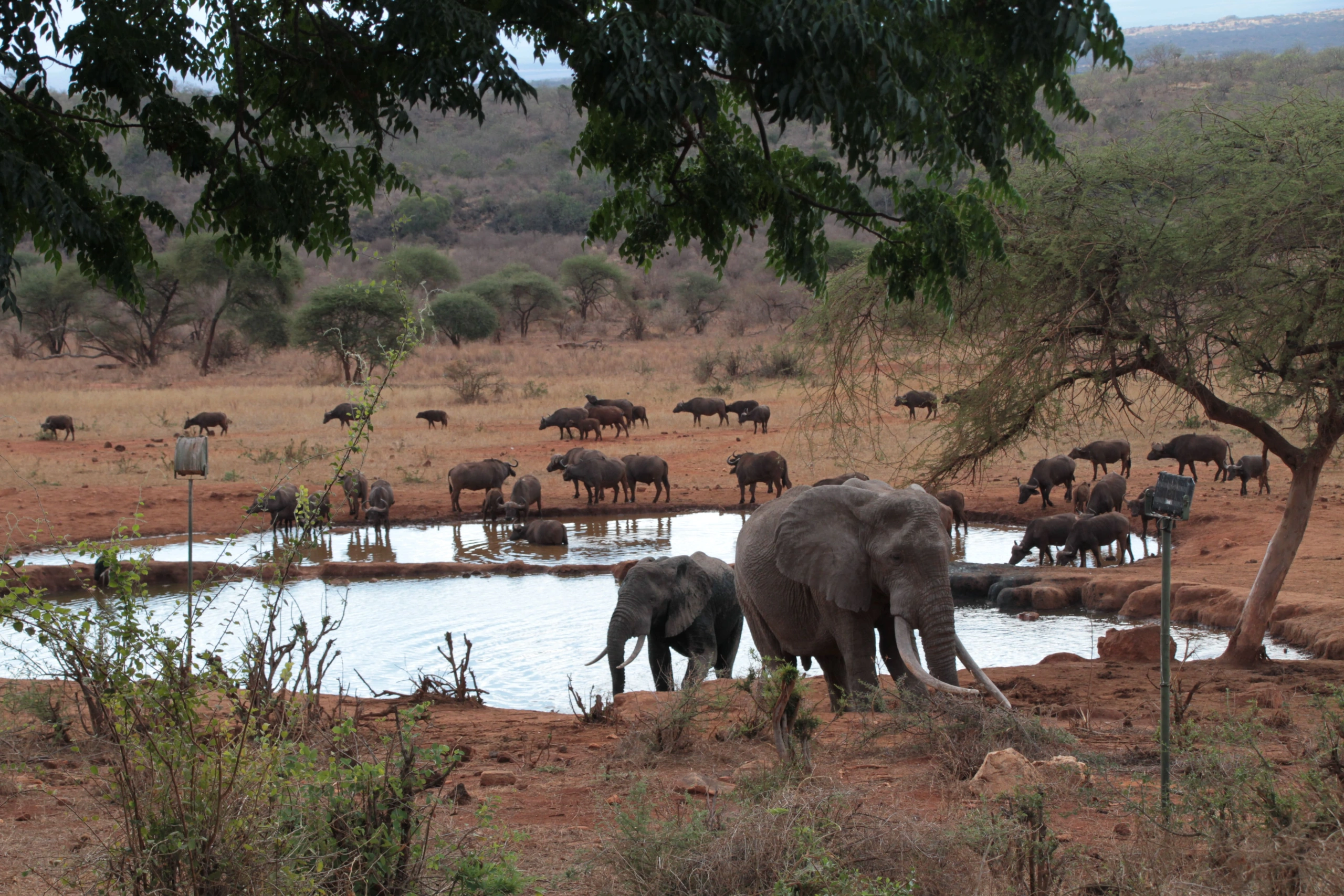
10 Days / 9 Nights
10-Day Tsavo, Masai Mara, Rift Valley & Amboseli Safari
Personalised Quote Based on your enquiry
View Safari