About the African Elephant
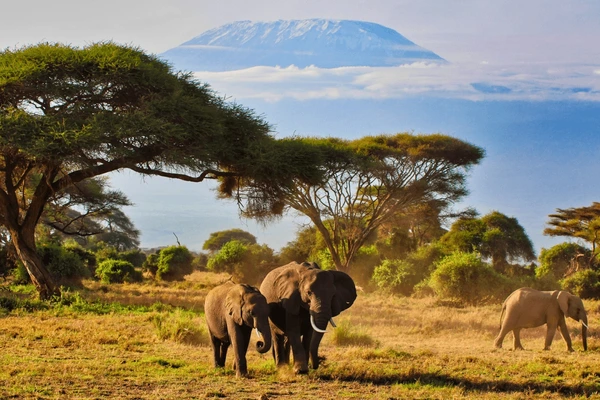
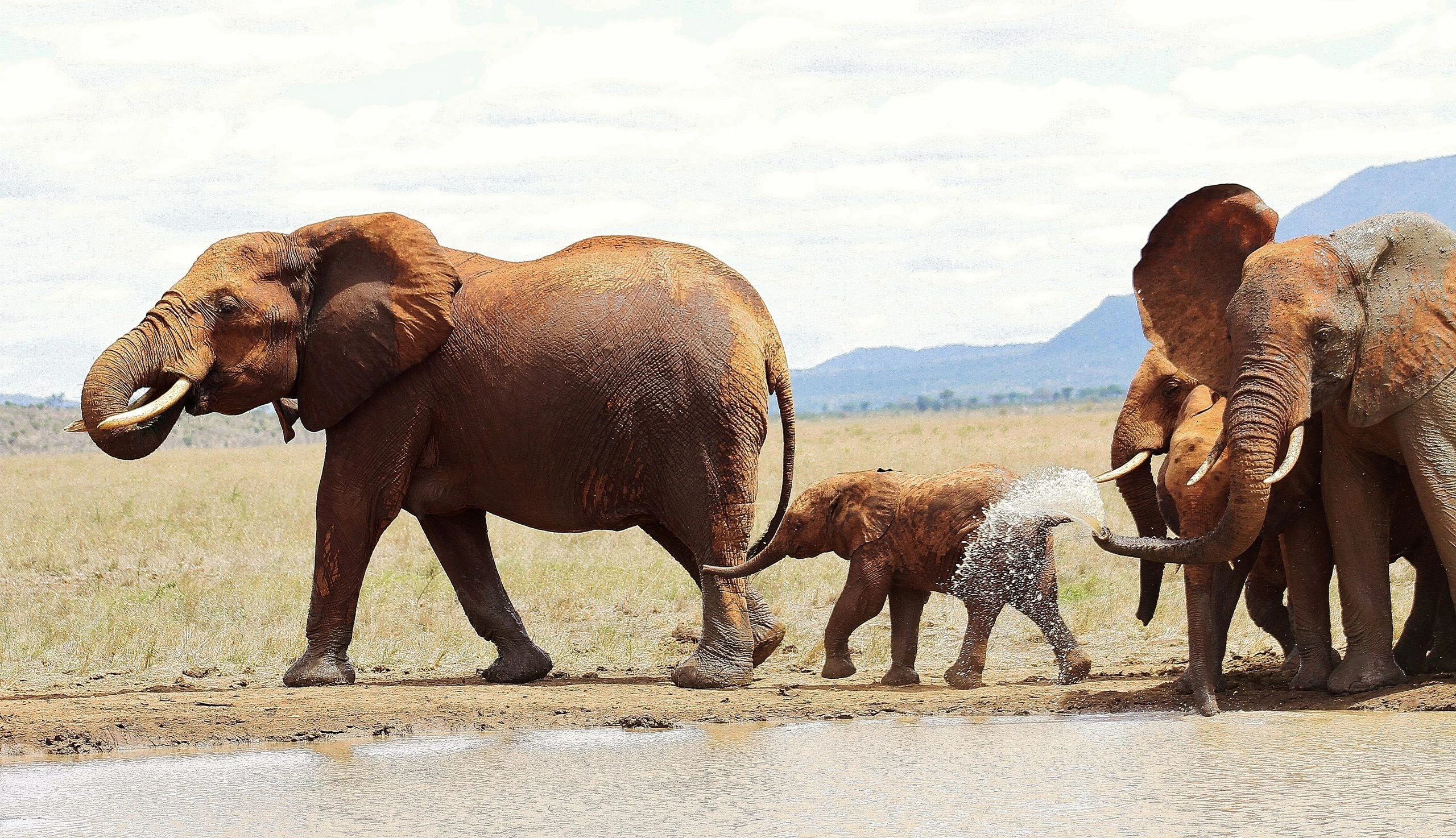
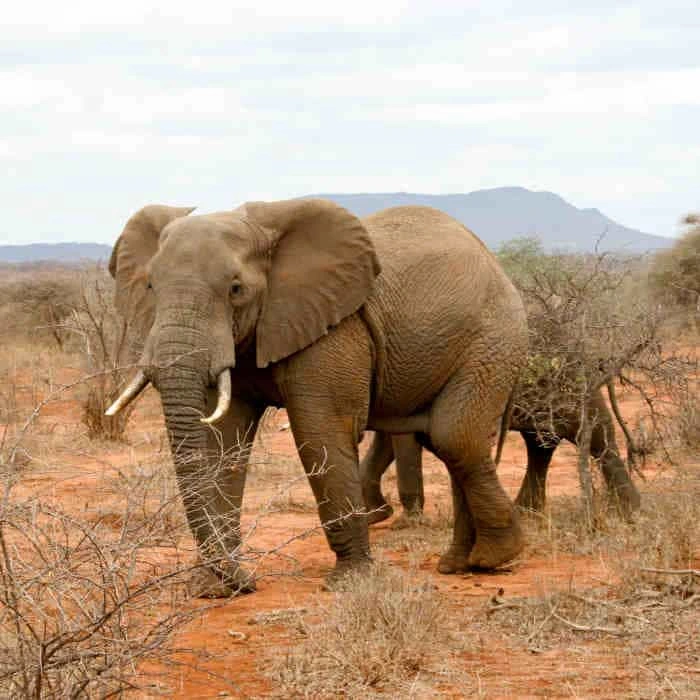
African savanna elephants are immediately recognised by their huge ears, long trunk, pillar-like legs and ivory tusks. The trunk combines smell, touch, breathing, drinking and fine manipulation, while the ears help with communication and heat regulation.
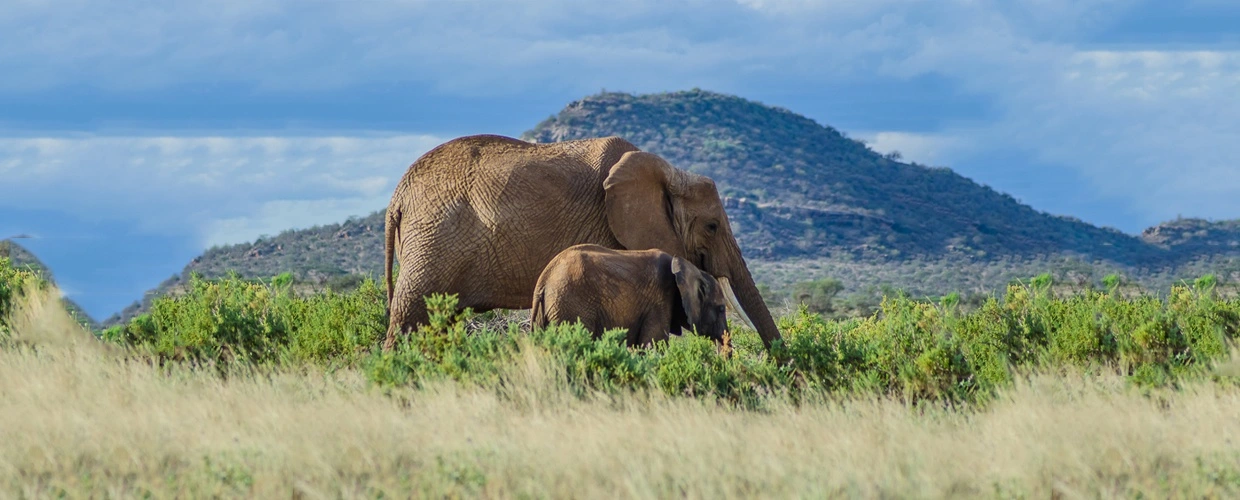
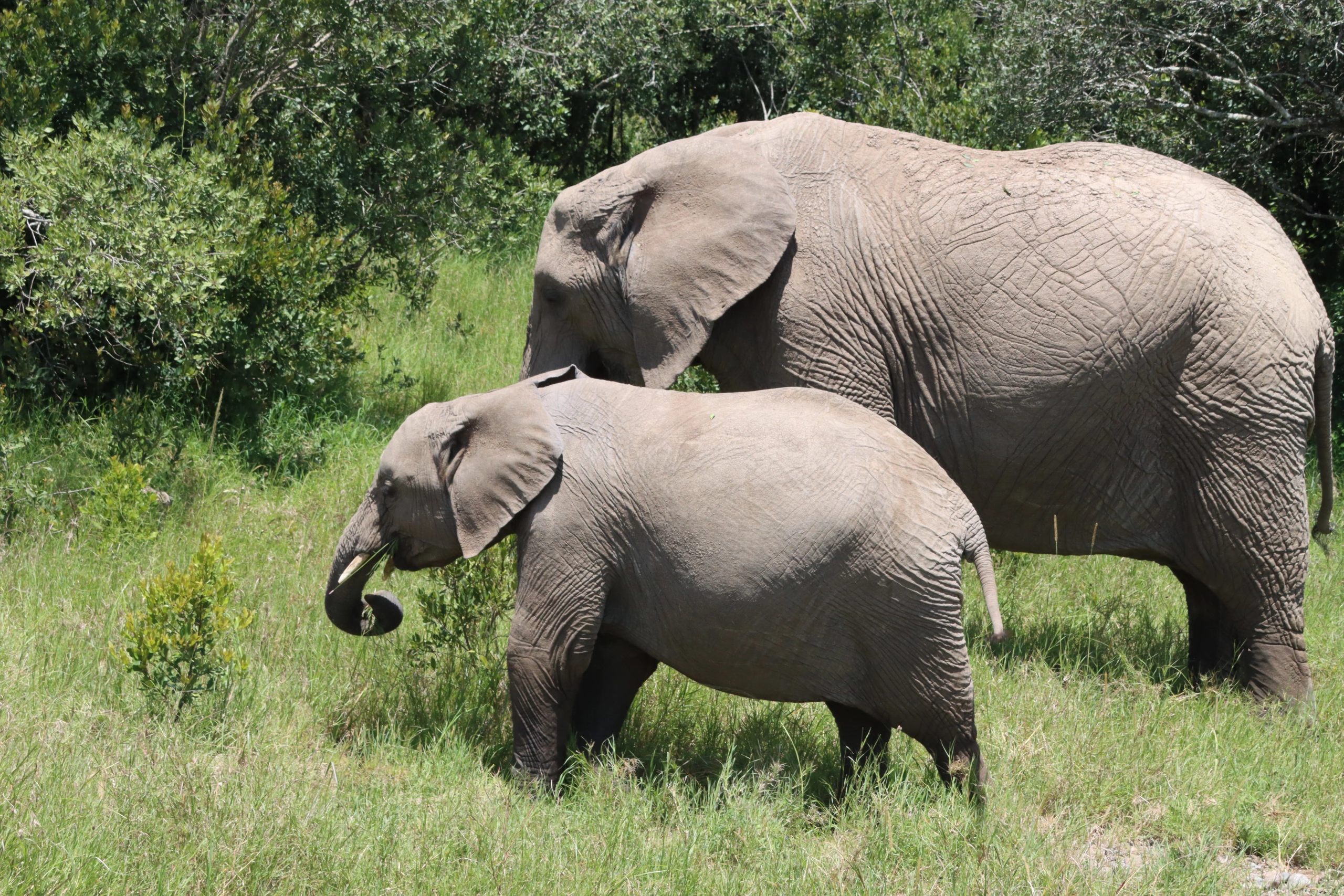
Family units are usually led by an experienced matriarch and include related females and calves. Adult bulls become increasingly independent and may travel alone or in loose male associations. Elephants communicate through touch, scent, vocalisations and low-frequency calls that can carry over long distances.
Safari context in Kenya: Within the current Greatlink Safaris destination network, useful places to look for this species include Amboseli National Park, Tsavo East National Park, and Tsavo West National Park. Sightings remain natural and unpredictable, so Greatlink Safaris plans around habitat, season and realistic wildlife expectations rather than guarantees. Travellers can also explore the Kenya wildlife guide or compare private Kenya safaris that visit suitable ecosystems.
Conservation: The African savanna elephant is listed as Endangered globally. Poaching, habitat loss, fragmentation and human-elephant conflict remain major pressures, while Kenya also has strong protected populations and long-running conservation programmes. For the latest global assessment and taxonomic notes, consult the IUCN conservation reference. Kenya protected area information is also available from the Kenya Wildlife Service.
Interesting facts and identification clues
- Elephants can travel long distances between seasonal feeding areas and water sources.
- A matriarch’s memory helps families locate water and safe routes during dry periods.
- Calves remain close to mothers and other female relatives for protection and learning.
- Elephants modify habitat by opening woodland, dispersing seeds and creating access to water for other species.
- At close range, remain quiet and follow the guide’s instructions; elephants should never be crowded or blocked.
Responsible viewing: Keep a respectful distance, avoid blocking the animal’s route, keep noise low and follow the driver guide’s instructions. Wildlife behaviour changes with weather, breeding, food, water and human pressure, so every encounter should be treated as an unscripted observation.
Content reviewed 1 Oct 2026