About the Lion
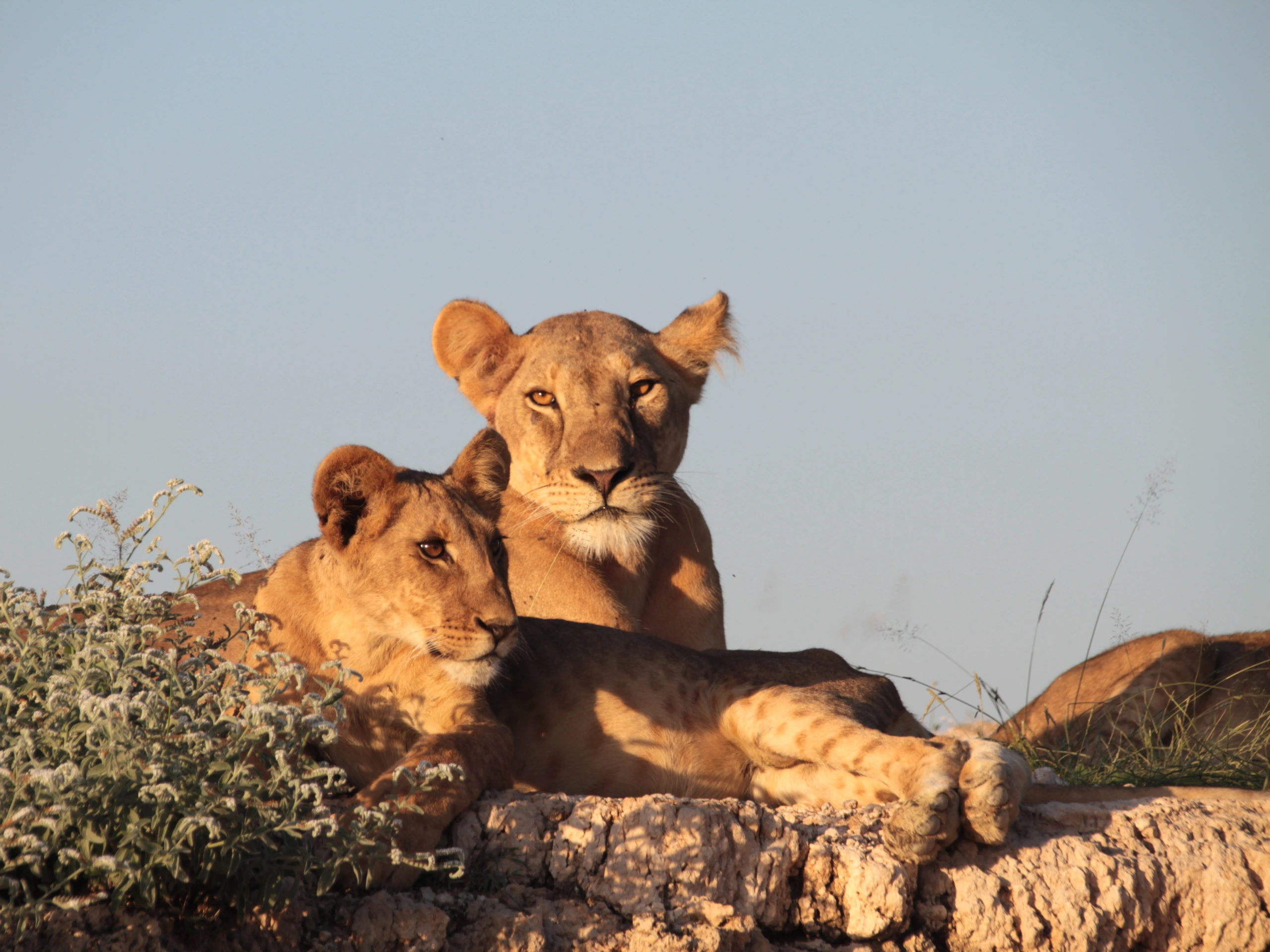
Adult males are recognised by their mane, while lionesses lack a mane and are generally smaller and more agile. Coat colour varies from pale buff to tawny, helping lions blend into dry grass.
Prides typically include related females, cubs and a coalition of one or more adult males. Females cooperate in hunting and cub care, while males defend access to the pride and territory. Group size changes with prey, habitat and social dynamics.
Safari context in Kenya: Within the current Greatlink Safaris destination network, useful places to look for this species include Amboseli National Park, Nairobi National Park, and Tsavo East National Park. Sightings remain natural and unpredictable, so Greatlink Safaris plans around habitat, season and realistic wildlife expectations rather than guarantees. Travellers can also explore the Kenya wildlife guide or compare private Kenya safaris that visit suitable ecosystems.
Conservation: Lions are listed as Vulnerable globally. Habitat loss, declining wild prey and conflict with livestock owners remain major conservation challenges outside protected areas. For the latest global assessment and taxonomic notes, consult the IUCN conservation reference. Kenya protected area information is also available from the Kenya Wildlife Service.
Interesting facts and identification clues
- Lionesses in a pride are often close relatives.
- Males may form coalitions that cooperate to control prides and territory.
- Lions spend a large part of each day resting, especially after feeding.
- Roaring helps advertise territory and can carry several kilometres in suitable conditions.
- When lions are sleeping or hunting, guides should avoid crowding and keep an escape path clear.
Responsible viewing: Keep a respectful distance, avoid blocking the animal’s route, keep noise low and follow the driver guide’s instructions. Wildlife behaviour changes with weather, breeding, food, water and human pressure, so every encounter should be treated as an unscripted observation.
Content reviewed 1 Oct 2026