About the Plains Zebra
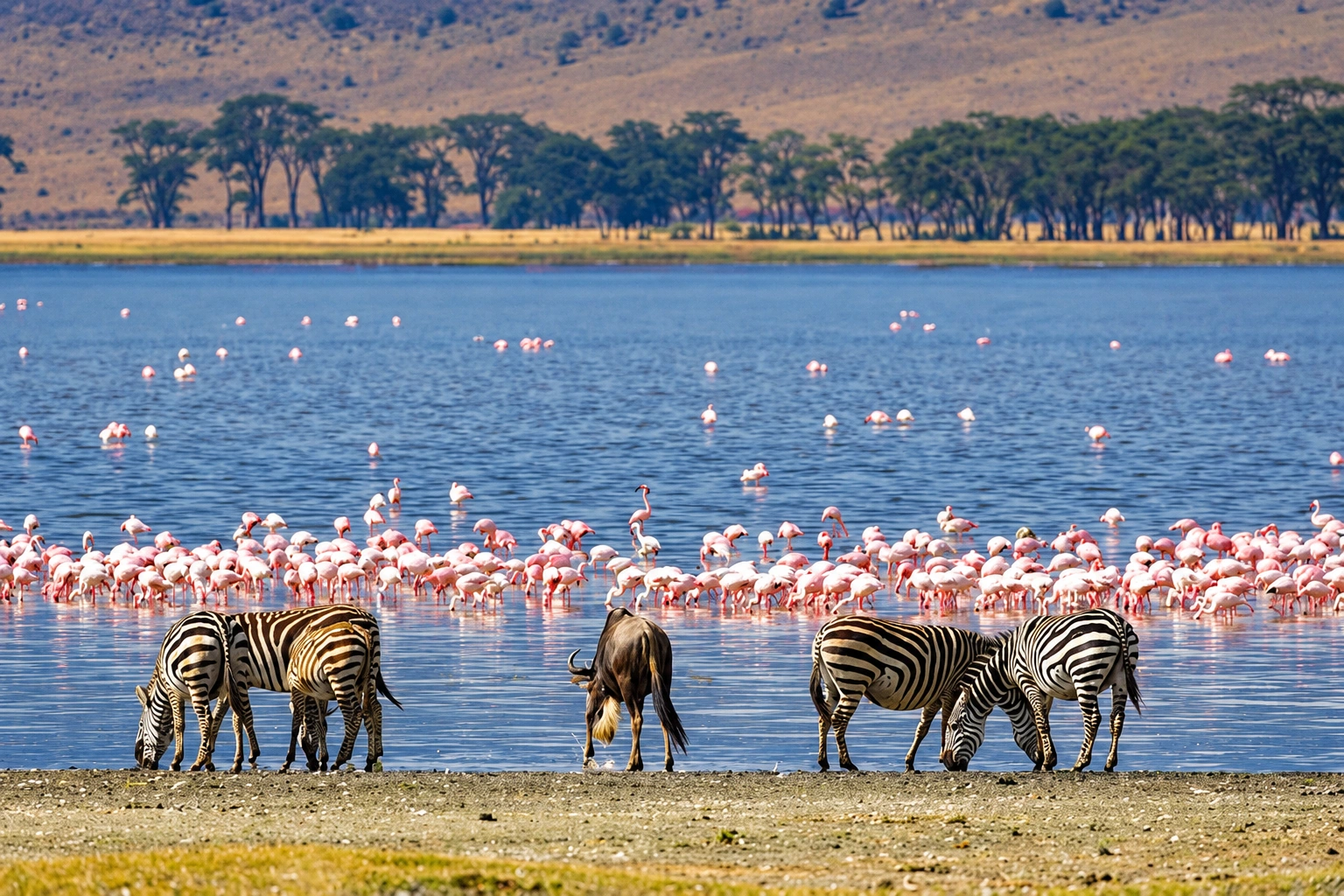
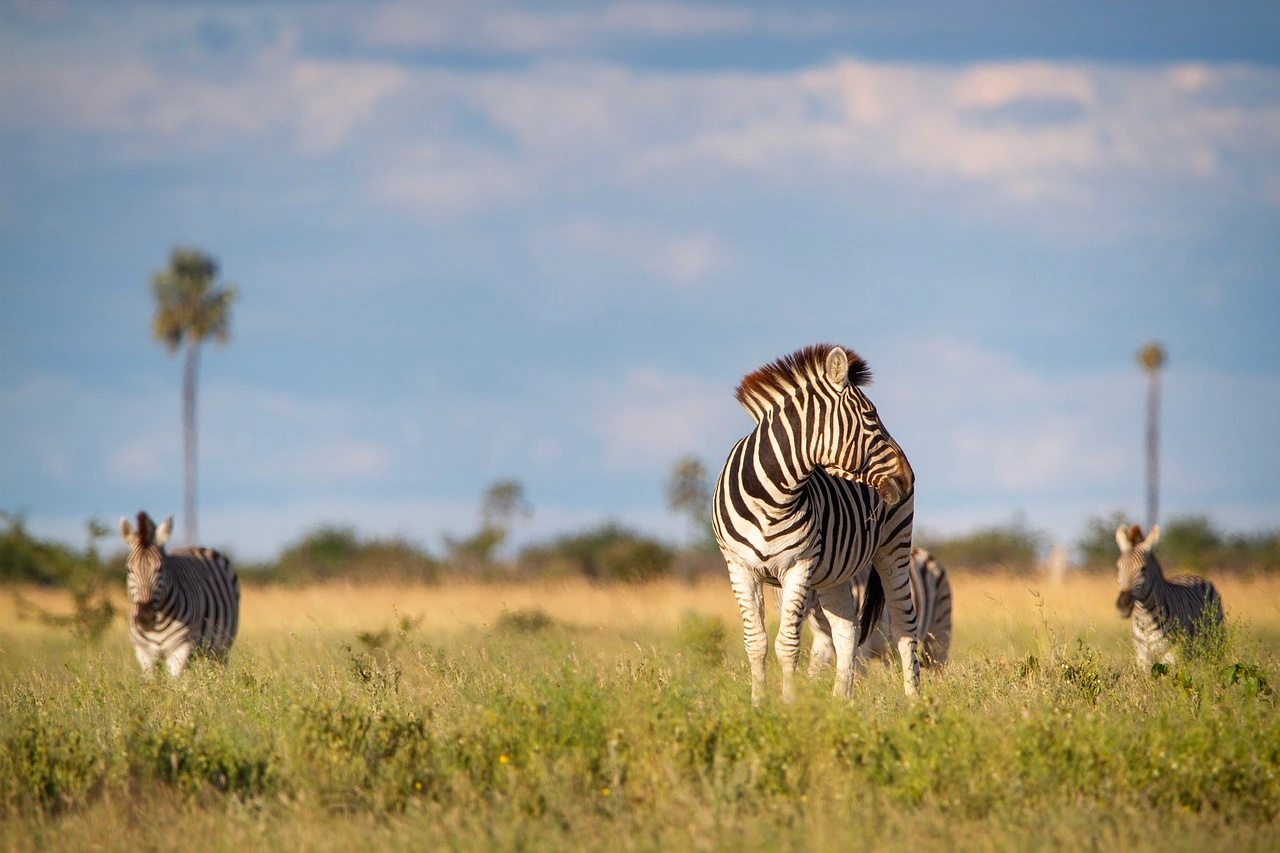
Plains zebras have broad black-and-white stripes extending onto the belly, with patterns unique to each individual. Kenya populations can show faint brown shadow stripes between the main markings.
Stable family groups usually consist of a stallion, several mares and their young. Multiple families may gather into large herds, especially where grazing is concentrated or during seasonal movements.
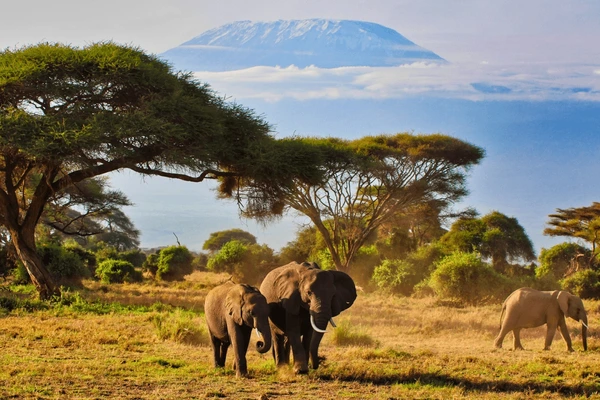
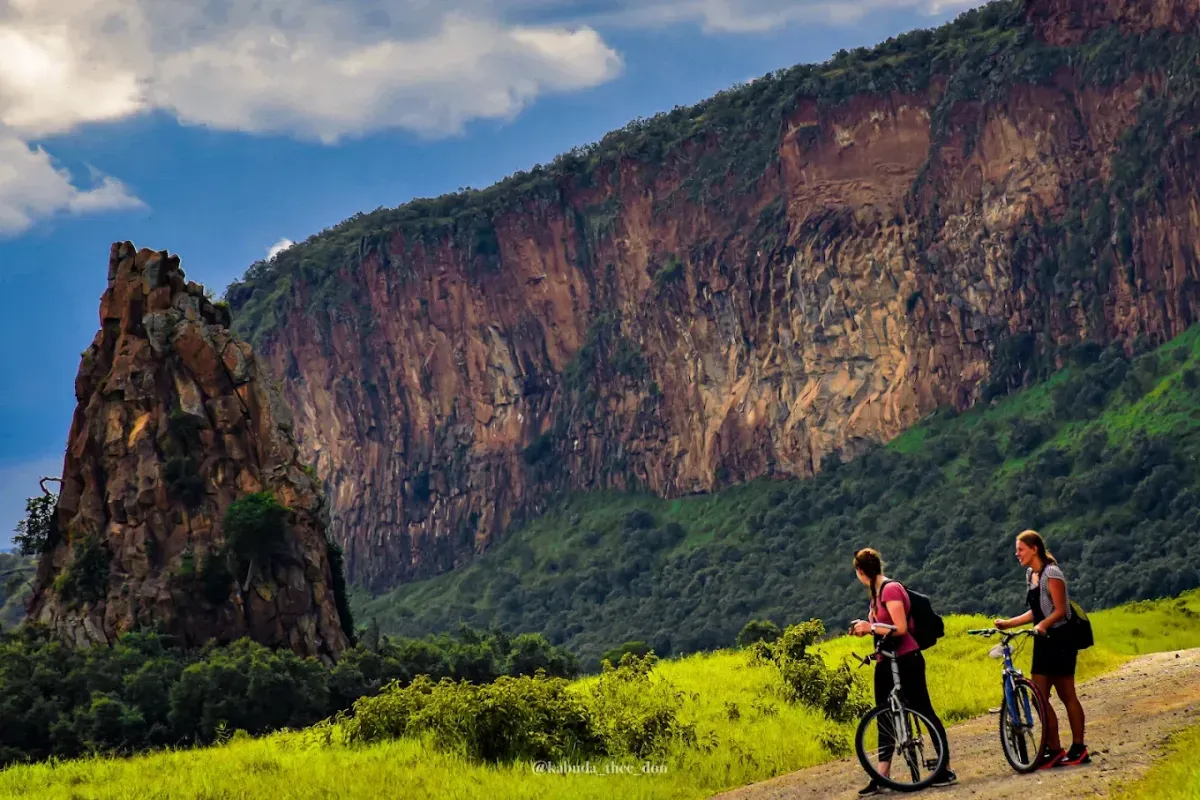
Safari context in Kenya: Within the current Greatlink Safaris destination network, useful places to look for this species include Amboseli National Park, Masai Mara National Reserve, and Hell's Gate National Park. Sightings remain natural and unpredictable, so Greatlink Safaris plans around habitat, season and realistic wildlife expectations rather than guarantees. Travellers can also explore the Kenya wildlife guide or compare private Kenya safaris that visit suitable ecosystems.
Conservation: Plains zebra are Near Threatened globally. Although still common in major Kenyan ecosystems, fencing, habitat conversion and disrupted migration routes can affect local populations. For the latest global assessment and taxonomic notes, consult the IUCN conservation reference. Kenya protected area information is also available from the Kenya Wildlife Service.
Interesting facts and identification clues
- Every zebra has a unique stripe pattern.
- Family bands are socially stable and may remain together for years.
- Zebra can digest coarse grass and often graze before more selective antelopes move into the same area.
- Large mixed herds provide more eyes and ears for detecting predators.
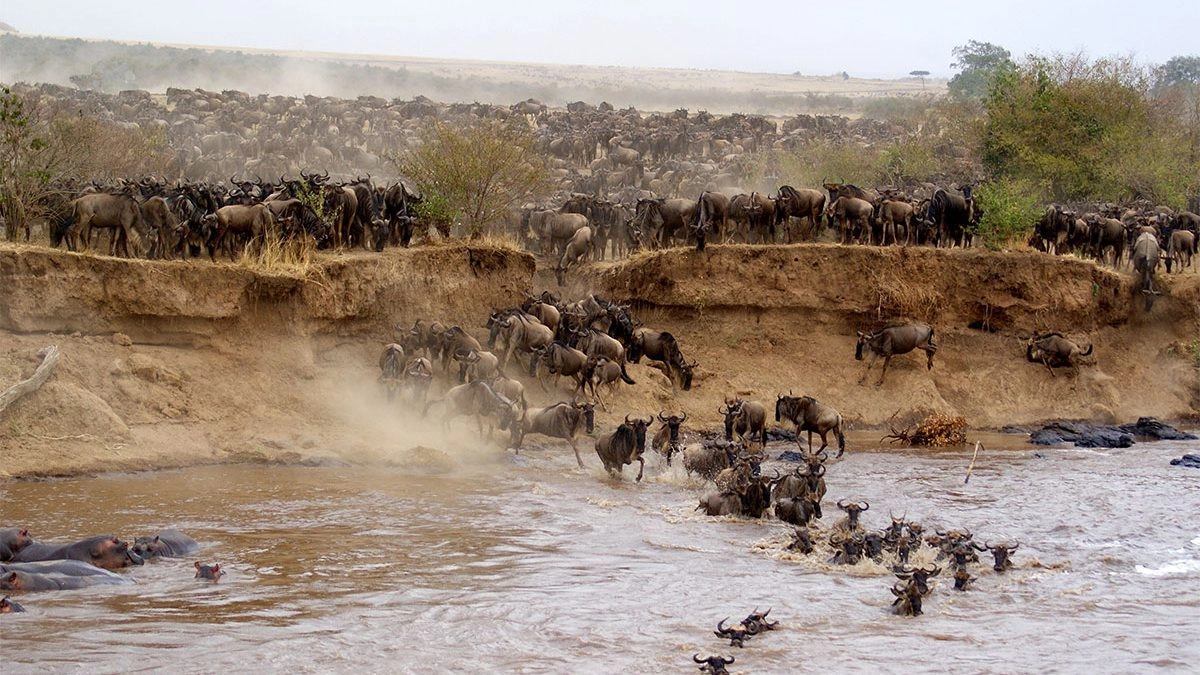
- In the Mara, zebra often move with wildebeest during seasonal migration.
Responsible viewing: Keep a respectful distance, avoid blocking the animal’s route, keep noise low and follow the driver guide’s instructions. Wildlife behaviour changes with weather, breeding, food, water and human pressure, so every encounter should be treated as an unscripted observation.
Content reviewed 1 Oct 2026