About the White Rhinoceros
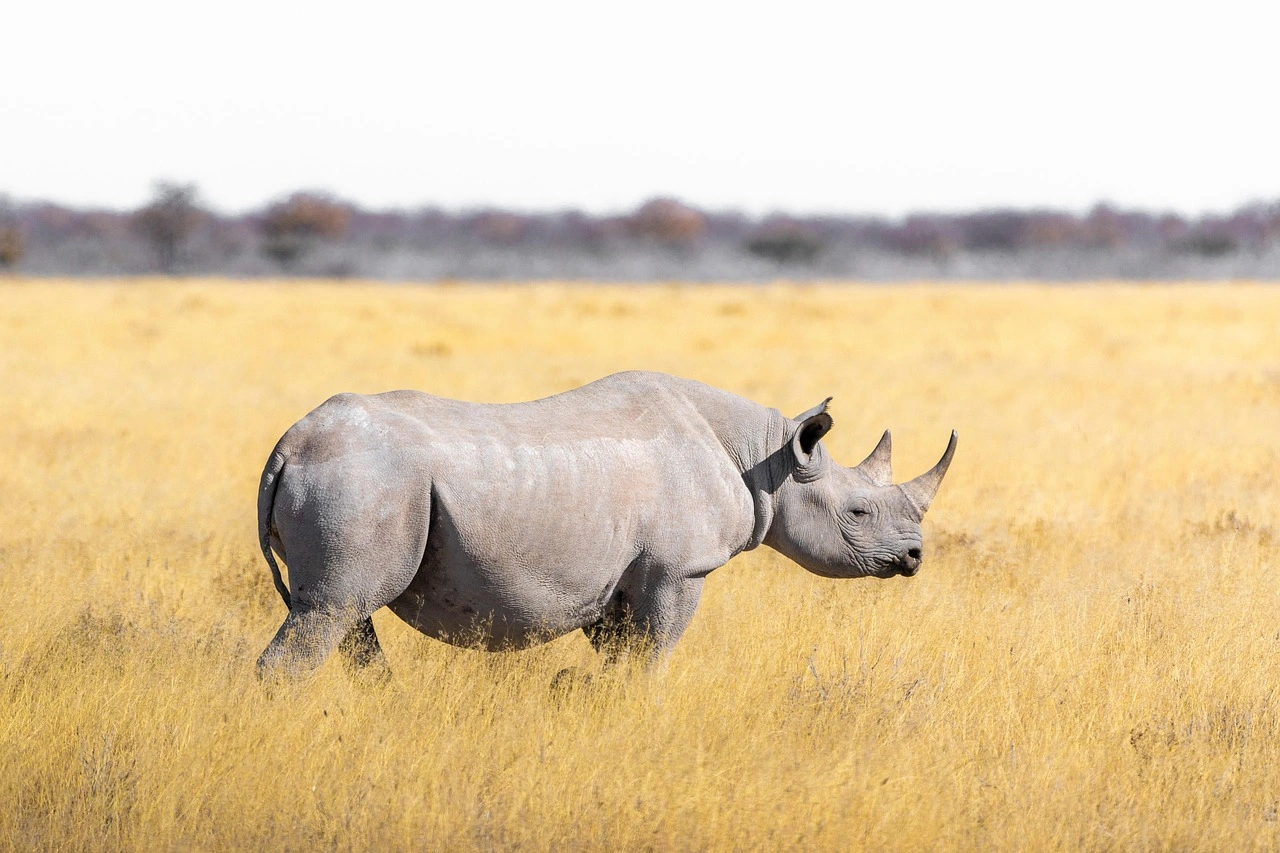
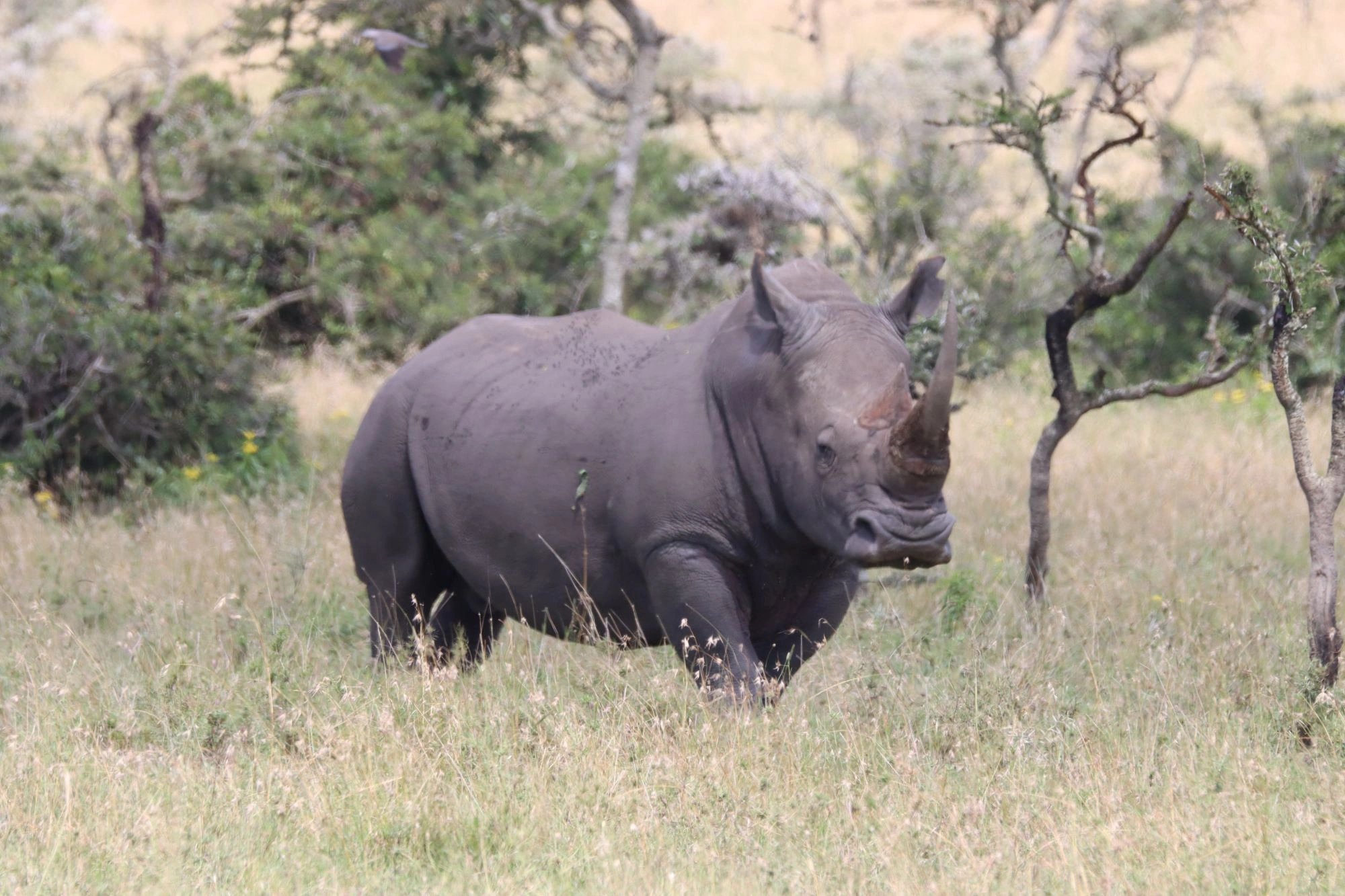
White rhinos have a long head held low to the ground, a wide square lip and two horns. They are generally larger and more open-grassland adapted than black rhinos.
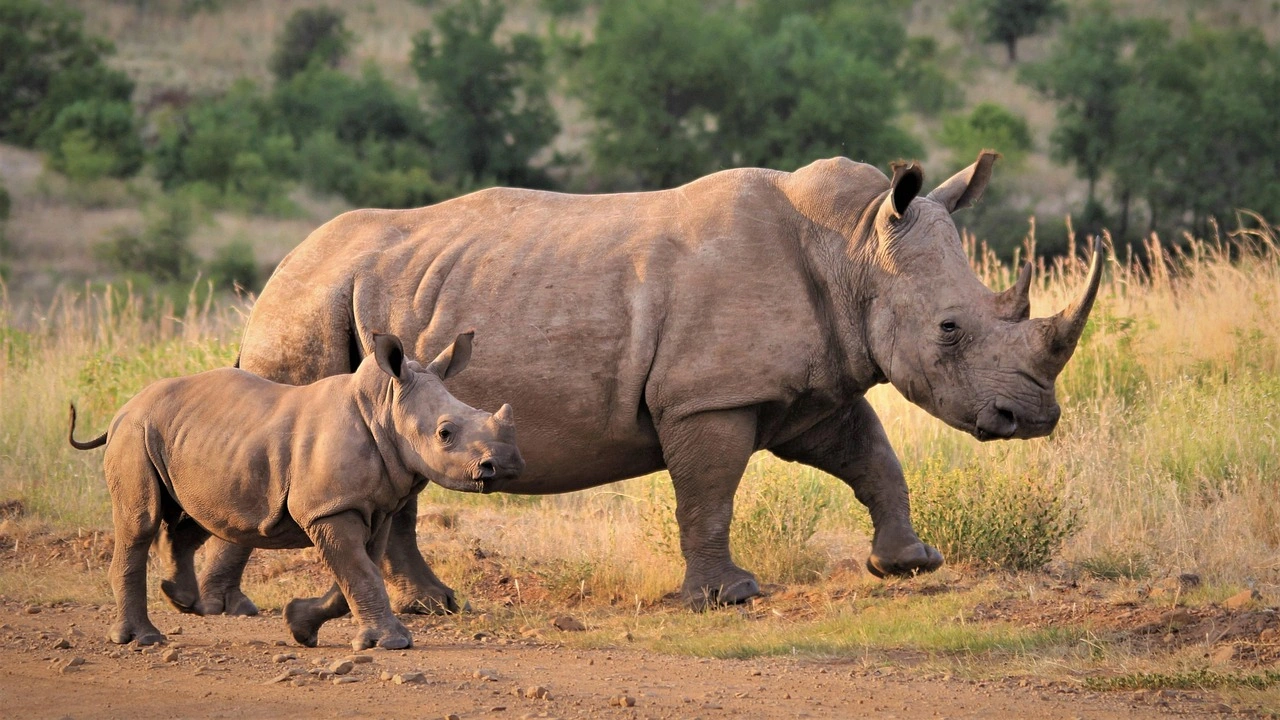
Females may associate in small groups while adult bulls are territorial. Calves walk ahead of the mother when moving, a useful behavioural clue when comparing white and black rhinos.
Safari context in Kenya: Within the current Greatlink Safaris destination network, useful places to look for this species include Lake Nakuru National Park, Nairobi National Park, and Ol Pejeta Conservancy. Sightings remain natural and unpredictable, so Greatlink Safaris plans around habitat, season and realistic wildlife expectations rather than guarantees. Travellers can also explore the Kenya wildlife guide or compare private Kenya safaris that visit suitable ecosystems.
Conservation: White rhino are Near Threatened at species level. Kenya’s populations are intensively monitored and protected because poaching remains a major threat to rhinos across Africa. For the latest global assessment and taxonomic notes, consult the IUCN conservation reference. Kenya protected area information is also available from the Kenya Wildlife Service.
Interesting facts and identification clues
- The name white rhino is not about skin colour; both African rhino species are grey.
- The broad square lip is adapted for grazing.
- Calves commonly walk in front of their mothers.
- Mud wallows help with cooling and skin care.
- Rhino viewing should never involve approaching animals on foot unless at an authorised, professionally managed facility.
Responsible viewing: Keep a respectful distance, avoid blocking the animal’s route, keep noise low and follow the driver guide’s instructions. Wildlife behaviour changes with weather, breeding, food, water and human pressure, so every encounter should be treated as an unscripted observation.
Content reviewed 1 Oct 2026