
A Kenya Big Five safari is about much more than ticking five names from a list. Lion, leopard, African elephant, rhinoceros and African buffalo use different habitats, behave differently and are distributed unevenly across Kenya's parks and conservancies. The most rewarding safari combines several ecosystems and allows enough time for natural sightings rather than chasing a checklist.
Greatlink Safaris already maintains individual wildlife profiles for the lion, leopard, African elephant, black rhinoceros and African buffalo. This guide connects those species to the destinations where travellers have realistic opportunities to encounter them.
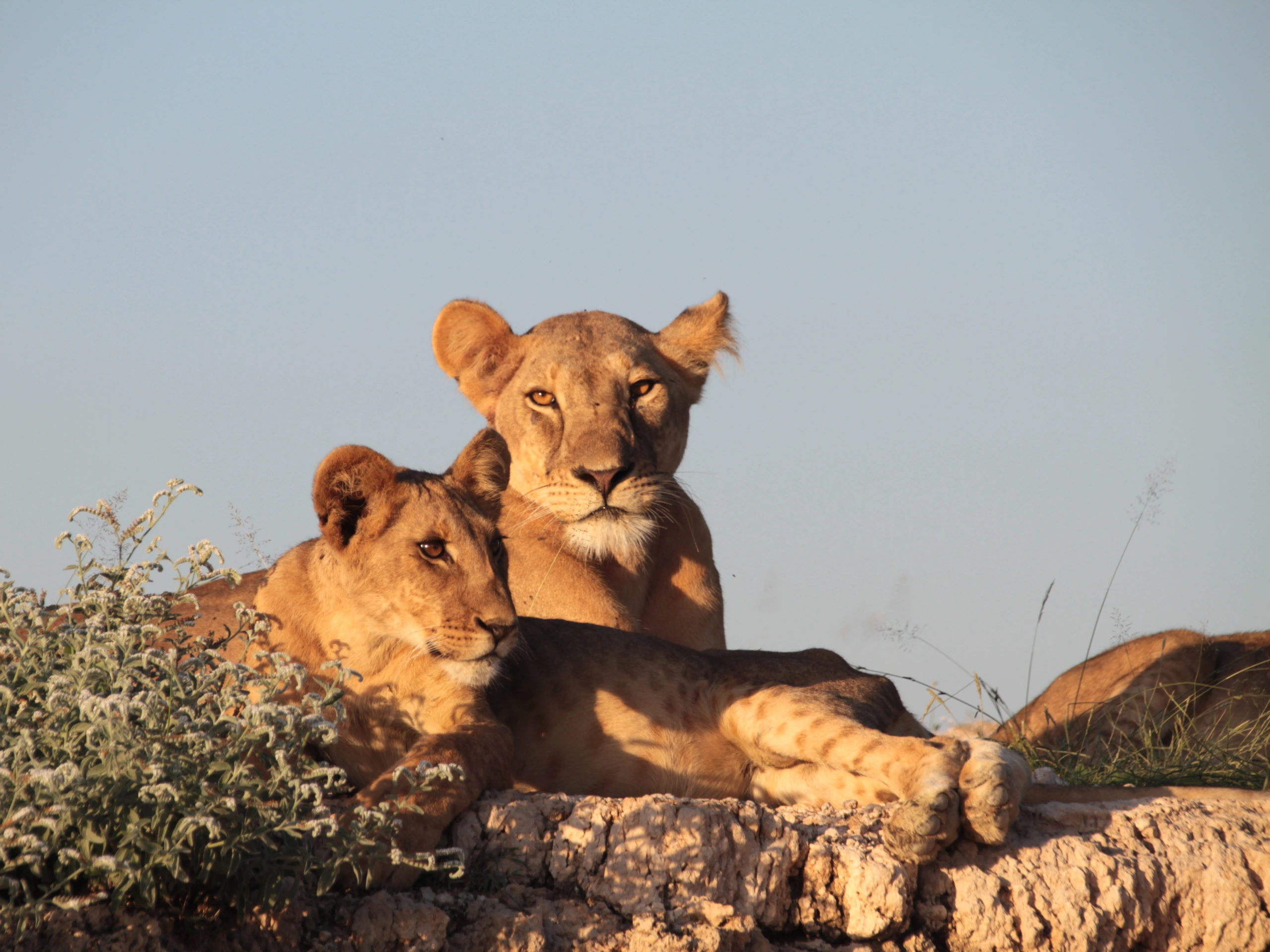 Big Five sightings are natural and never guaranteed. Time, habitat and patient wildlife viewing matter more than rushing between parks.
What are the Big Five?
The term “Big Five” has historical roots in hunting, but today safari travellers use it to describe five iconic African mammals: lion, leopard, elephant, rhinoceros and buffalo. In modern Kenya tourism, the emphasis should be wildlife appreciation, conservation and responsible photography.
A successful Big Five safari does not require every species to appear in one park. In fact, combining regions often creates a richer trip. The Masai Mara can be excellent for predators, Amboseli is famous for elephants, and rhino conservation destinations such as Ol Pejeta and Lake Nakuru add a different dimension.
1. Lion: Kenya's most recognisable big cat
Lions live in social groups called prides, although adult males and dispersing animals may travel alone. Open grassland and mixed savannah provide the classic conditions travellers associate with lion viewing.
The Masai Mara National Reserve is one of the best known lion destinations in Kenya. The wide plains support substantial prey populations, and the open landscape can make predator observation productive. Lions also occur in Amboseli, Tsavo, Samburu and Nairobi National Park.
Kenya Wildlife Service notes that Nairobi National Park supports four of the Big Five, with elephants absent from the park. The park is therefore a surprisingly useful short safari for travellers who want wildlife close to the capital. See the official Nairobi National Park guide.
2. Leopard: the Big Five species that often requires the most patience
Leopards are solitary, secretive and highly adaptable. They may rest in trees, move through riverine woodland, use rocky cover or remain hidden in dense vegetation for long periods. A guide may read tracks, alarm calls and the behaviour of other animals before a leopard itself becomes visible.
The Masai Mara and Samburu are both strong leopard habitats, and leopards also occur in Tsavo and other suitable ecosystems. Travellers should resist the temptation to crowd a sighting. A relaxed leopard that is not boxed in by vehicles is more likely to behave naturally.
Explore the Leopard in Kenya wildlife profile before travel for identification, behaviour and habitat notes.
3. African elephant: Amboseli and Tsavo are essential elephant country
The African savanna elephant is Kenya's largest land mammal. Family groups are usually led by an experienced matriarch, while adult bulls may travel alone or in loose associations.
Amboseli National Park is one of Kenya's signature elephant destinations. Kenya Wildlife Service describes Amboseli as an important place for close encounters with large elephant herds, with open plains, swamps and the famous possibility of Mount Kilimanjaro views. See the official KWS Amboseli page.
Tsavo East National Park offers a different elephant setting. The park is known for elephants often coloured red by Tsavo's soil, together with vast dry country landscapes and the Yatta Plateau. A route linking Amboseli with Tsavo therefore gives a traveller two contrasting elephant experiences.
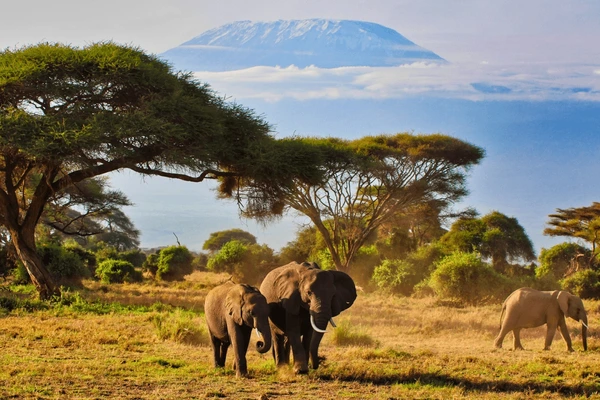 Elephants should always be given space and right of way, especially family groups with calves and solitary bulls.
4. Rhinoceros: where conservation becomes central to the safari
Rhino sightings in Kenya connect directly with conservation history. Black rhinos are browsers with a pointed upper lip and remain critically endangered. White rhinos are larger grazers with a broad square lip.
Ol Pejeta Conservancy is one of the strongest rhino destinations in the Greatlink network. Ol Pejeta states that it is home to the world's last two northern white rhinos and to more than 165 critically endangered black rhinos. Its conservation programmes include intensive monitoring and specialist protection. Read the official Ol Pejeta rhino conservation information.
Lake Nakuru National Park is another important rhino destination. Kenya Wildlife Service identifies the park as a sanctuary for both black and white rhinos. Nairobi National Park, Meru and Tsavo West also contribute to Kenya's rhino conservation landscape.
For travellers who want more than a normal sighting, the Rhino Conservation Experience explains how specialist conservation activities can be added where available.
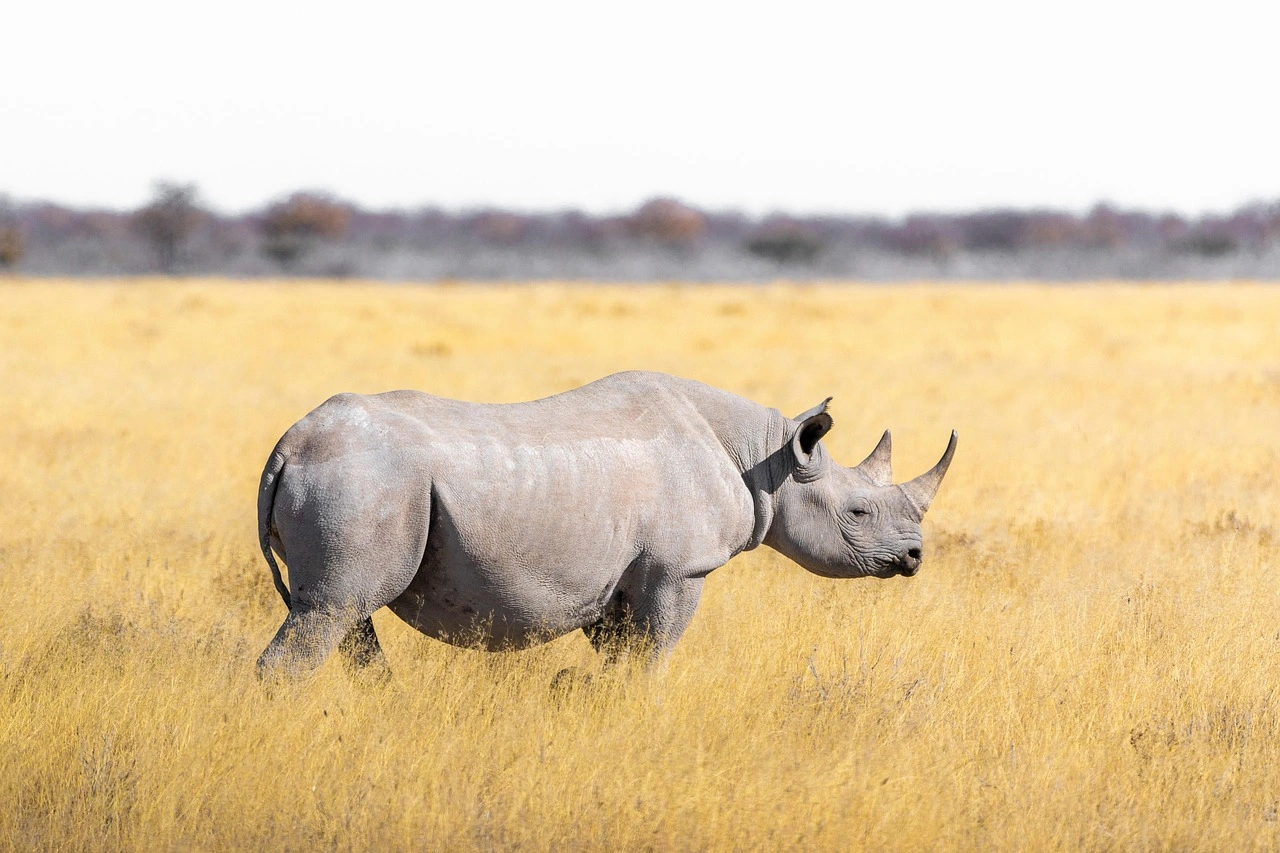 Ol Pejeta is one of Kenya's major rhino conservation landscapes and adds strong conservation depth to a Big Five route.
5. African buffalo: powerful herd animals of well watered habitats
African buffalo are often underestimated because they can appear less glamorous than cats or rhinos. On safari, however, a large buffalo herd can be one of the most impressive wildlife scenes in Kenya.
Buffalo depend on reliable water and productive grazing. They occur in Amboseli, Lake Nakuru, Ol Pejeta, the Aberdares, Nairobi National Park, Tsavo and the Mara. Older bulls sometimes spend time in small groups or alone, particularly around water and marsh edges.
Read the African Buffalo in Kenya wildlife guide for more detail on herd structure, habitat and responsible viewing.
Best Kenya destinations for a Big Five safari
Masai Mara National Reserve
Best for broad savannah wildlife, lion and other predators, large herbivore concentrations and seasonal migration activity. Rhino sightings are possible but should never be assumed.
Ol Pejeta Conservancy
Best for rhino conservation, black and white rhinos, the northern white rhino story, mixed Laikipia wildlife and the Chimpanzee Sanctuary Experience.
Lake Nakuru National Park
Best for a compact Rift Valley safari with black and white rhino conservation, birdlife and dramatic lake scenery.
Amboseli National Park
Best for elephants, open scenery, wetlands, birds and the possibility of Mount Kilimanjaro backdrops.
Tsavo East and Tsavo West
Best for scale, contrasting volcanic and semi arid landscapes, elephants and a sense of wilderness. Tsavo West also includes important rhino conservation habitat and Mzima Springs.
A practical Big Five route
A strong route does not need to include every famous park. One practical combination is Samburu or Ol Pejeta, Lake Nakuru and the Masai Mara. The 7 Day Samburu, Ol Pejeta, Lake Nakuru and Masai Mara Safari connects northern Kenya, rhino conservation, the Rift Valley and the Mara in one private journey.
Travellers who want a longer circuit can consider the 14 Day Kenya Grand Safari, which adds Tsavo, Meru, Ol Pejeta, Rift Valley lakes, the Mara and Amboseli.
Responsible Big Five viewing
Wildlife viewing quality depends on how vehicles behave. Kenya Wildlife Service park rules emphasise staying on established roads and trails, avoiding excessive noise, remaining in the vehicle except at designated areas, respecting wildlife right of way and maintaining an appropriate distance. Review the KWS park rules before travel.
- Do not ask a driver to chase or surround an animal.
- Do not block elephants or other wildlife from crossing a road.
- Keep voices low around resting cats and sensitive sightings.
- Avoid broadcasting precise rhino locations in real time.
- Accept that some sightings will be distant or brief.
How long should a Kenya Big Five safari be?
A very short safari can produce excellent wildlife, but travellers who specifically want a realistic chance of seeing all five species should avoid building the trip around one or two rushed game drives. A seven day itinerary gives far more flexibility because it can combine a predator rich ecosystem with a dedicated rhino destination and a strong elephant area.
For example, a route through Samburu, Ol Pejeta, Lake Nakuru and the Masai Mara gives four different ecological settings. A longer itinerary can add Amboseli or Tsavo for a deeper elephant and landscape component. The purpose is not simply to collect species names, but to see how the same animal behaves in different habitats.
Big Five photography tips
Photography improves when the vehicle stops moving. A lion sleeping in shade, an elephant family approaching water or a buffalo herd crossing open ground can all become more interesting when you wait for behaviour instead of immediately leaving for the next species.
- Keep a medium telephoto lens ready for large animals such as elephants and buffalo.
- Use a longer lens for shy or distant species such as leopard and rhino.
- Leave space in the frame for habitat rather than shooting only tight portraits.
- Ask the guide for good light and background position, not a dangerously close approach.
- Keep shutters quiet around sensitive animals and avoid flash unless the guide and park rules clearly allow it.
Big Five safaris with children
Families can enjoy Big Five travel, but the itinerary should match children's tolerance for early starts and long game drives. Two shorter drives can work better than a full day for younger travellers. Destinations with a mix of wildlife, conservation education and comfortable lodge time can make the experience more balanced.
Ol Pejeta can be especially useful for families because a normal wildlife safari can be combined with conservation interpretation and the Sweetwaters Chimpanzee Sanctuary experience. Nairobi can also add the Giraffe Centre before or after a longer safari.
Frequently asked questions
Can I see all Big Five in one Kenya park?
Some ecosystems support all five, but no individual sighting is guaranteed. A multi destination route usually gives a stronger overall safari than trying to force all five into a single short stay.
Which Kenya destination is best for rhinos?
Ol Pejeta Conservancy and Lake Nakuru National Park are two of the strongest choices in the Greatlink Safaris network. Nairobi National Park, Meru and Tsavo West also have important rhino conservation roles.
Which park is best for elephants?
Amboseli is especially famous for large elephant herds, while Tsavo East and Tsavo West offer elephants in a much larger and more rugged landscape.
Are Big Five sightings guaranteed?
No. Wildlife is free ranging and behaviour changes with weather, water, prey, vegetation and disturbance. Greatlink Safaris plans routes around habitat and season, not guaranteed sightings.
Plan a Big Five safari with more than a checklist
The strongest Big Five safari combines wildlife, landscape, conservation and time in the field. Browse the Greatlink Safaris Wildlife Guide and the current private Kenya safari collection, then choose a route that matches the species and regions that matter most to you.