About the Topi
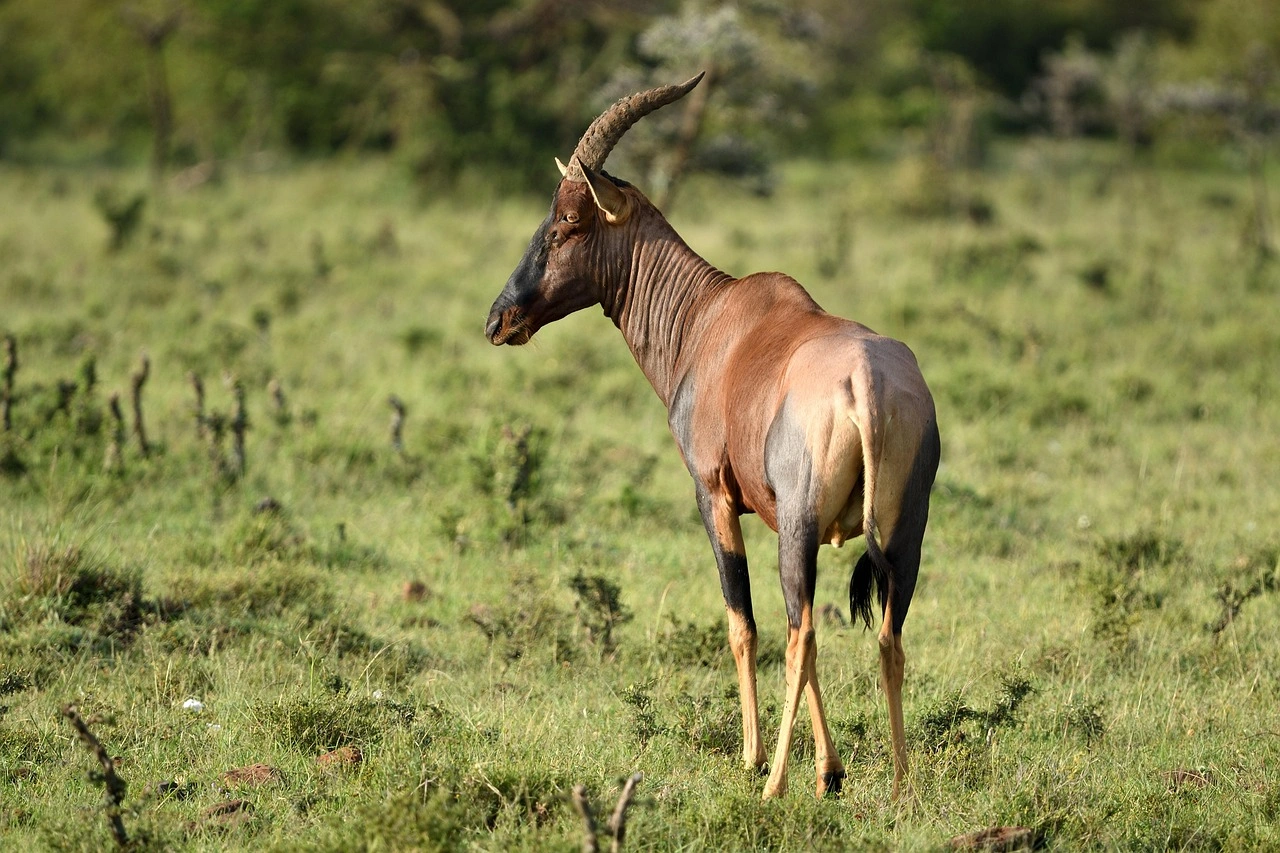
Topi have a glossy reddish-brown coat with dark bluish-black markings on the face, shoulders and upper legs. Both sexes carry ridged, backward-sweeping horns.
They form herds and may establish breeding territories in productive grassland. Individuals often stand on termite mounds to scan for predators, creating a characteristic upright silhouette.
Safari context in Kenya: Within the current Greatlink Safaris destination network, useful places to look for this species include Masai Mara National Reserve. Sightings remain natural and unpredictable, so Greatlink Safaris plans around habitat, season and realistic wildlife expectations rather than guarantees. Travellers can also explore the Kenya wildlife guide or compare private Kenya safaris that visit suitable ecosystems.
Conservation: The wider tsessebe/topi species is Least Concern, although some regional populations have declined with habitat conversion and disrupted floodplain systems. For the latest global assessment and taxonomic notes, consult the IUCN conservation reference. Kenya protected area information is also available from the Kenya Wildlife Service.
Interesting facts and identification clues
- Topi often use termite mounds as lookout posts.
- Both males and females carry horns.
- They can run at very high speeds across open ground.
- The Masai Mara is one of Kenya’s best-known topi strongholds.
- Dark shoulder patches and a long narrow head separate topi from hartebeest.
Responsible viewing: Keep a respectful distance, avoid blocking the animal’s route, keep noise low and follow the driver guide’s instructions. Wildlife behaviour changes with weather, breeding, food, water and human pressure, so every encounter should be treated as an unscripted observation.
Content reviewed 1 Oct 2026