About the Serval
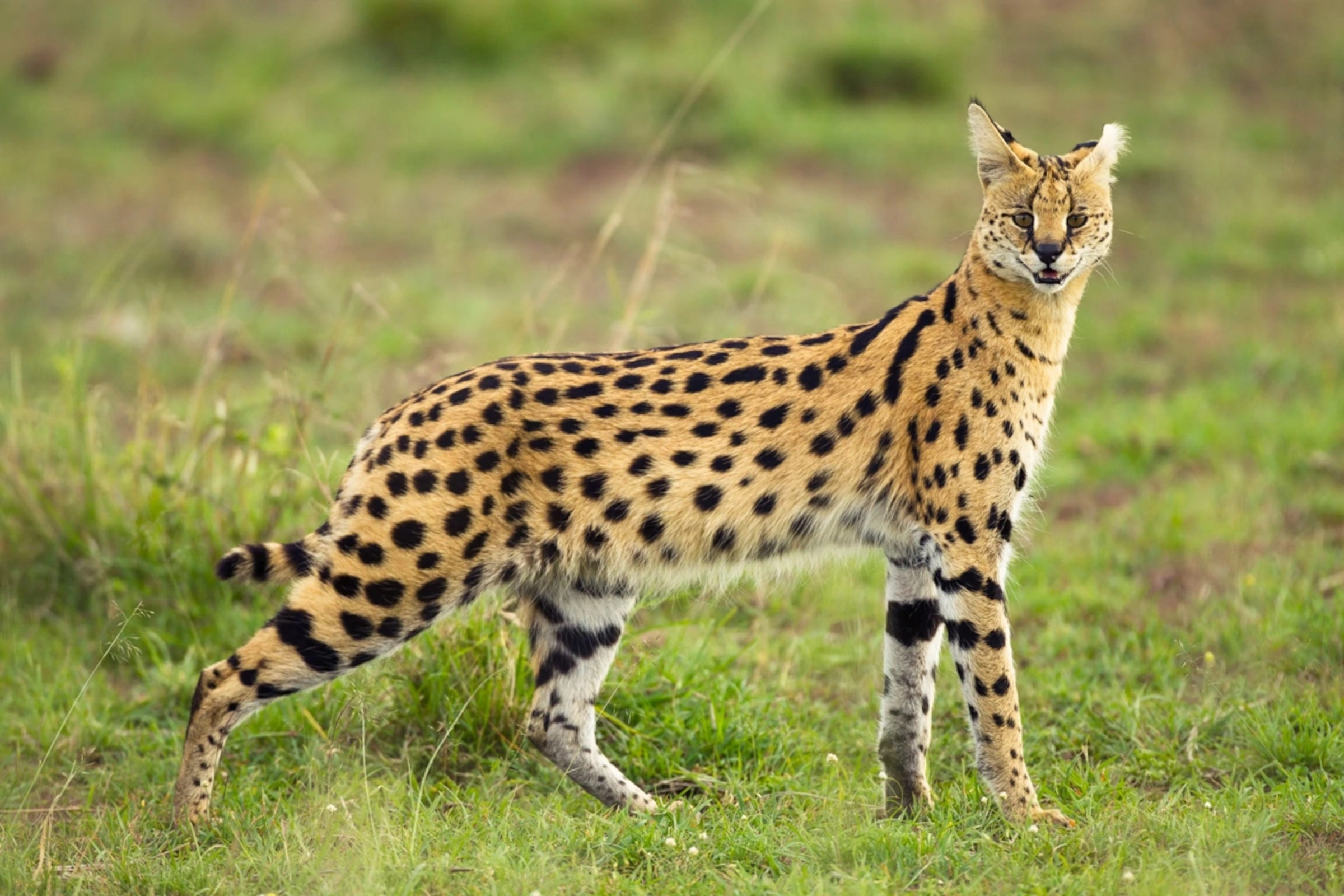
Servals are slim cats with exceptionally long legs, large rounded ears and a small head. The yellow-gold coat is marked with black spots and stripes, while the tail is shorter than a leopard’s.
They are mainly solitary and hunt by listening carefully for rodents before making high vertical leaps into grass. Their oversized ears can rotate toward faint sounds.
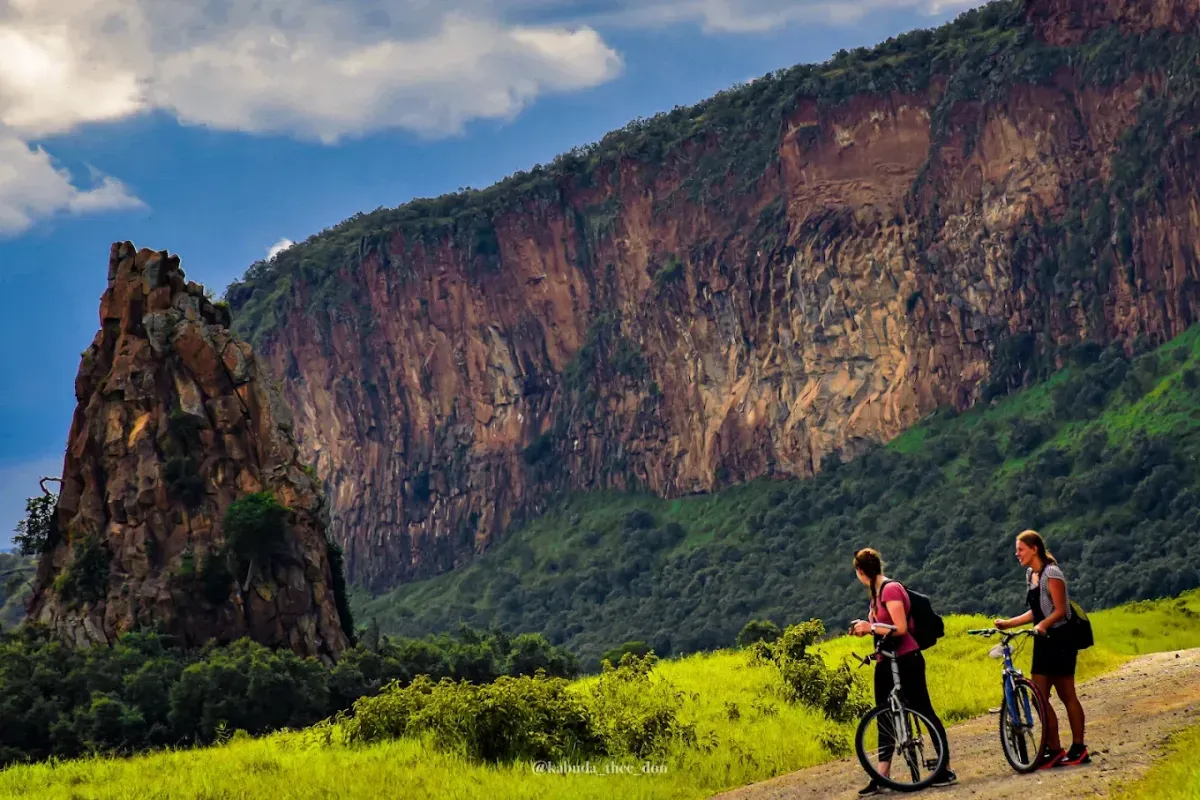
Safari context in Kenya: Within the current Greatlink Safaris destination network, useful places to look for this species include Hell's Gate National Park. Sightings remain natural and unpredictable, so Greatlink Safaris plans around habitat, season and realistic wildlife expectations rather than guarantees. Travellers can also explore the Kenya wildlife guide or compare private Kenya safaris that visit suitable ecosystems.
Conservation: Serval are Least Concern overall, but wetland drainage, habitat loss and persecution can reduce local populations. For the latest global assessment and taxonomic notes, consult the IUCN conservation reference. Kenya protected area information is also available from the Kenya Wildlife Service.
Interesting facts and identification clues
- Long legs give the serval one of the highest shoulder heights relative to body size among cats.
- The large ears are critical for locating prey hidden in grass.
- Servals can make remarkable vertical pounces.
- Wet grassland and marsh edges are more productive habitat than dry open plains.
- Because they are often active in low light, binoculars and quiet scanning help.
Responsible viewing: Keep a respectful distance, avoid blocking the animal’s route, keep noise low and follow the driver guide’s instructions. Wildlife behaviour changes with weather, breeding, food, water and human pressure, so every encounter should be treated as an unscripted observation.
Content reviewed 1 Oct 2026