About the Klipspringer
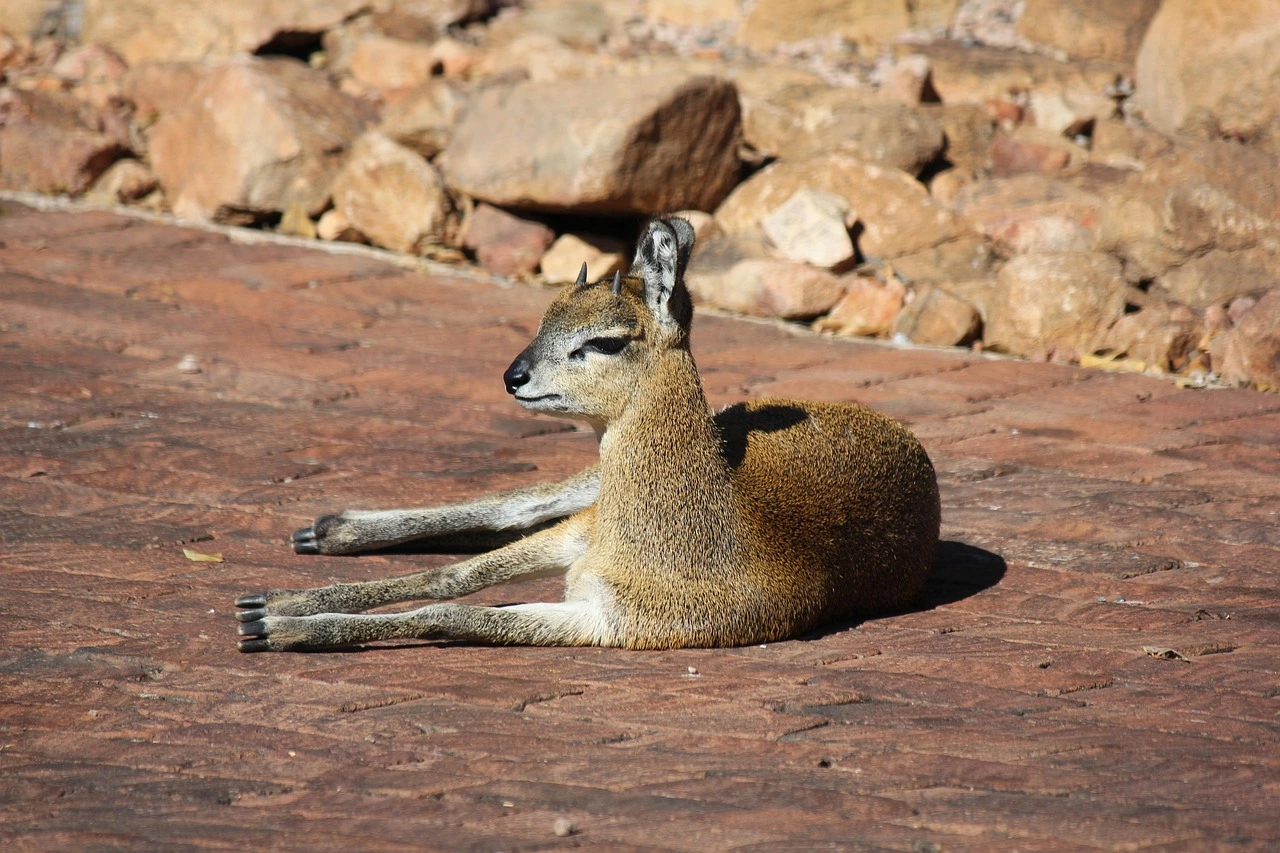
Klipspringers have a compact body, coarse speckled coat and distinctive short hooves that contact the rock on their tips. Males usually carry short straight horns in East African populations.
Pairs or small family groups occupy rocky territories. When disturbed one animal often stands high on a rock and gives a sharp alarm whistle while the group moves through steep terrain.
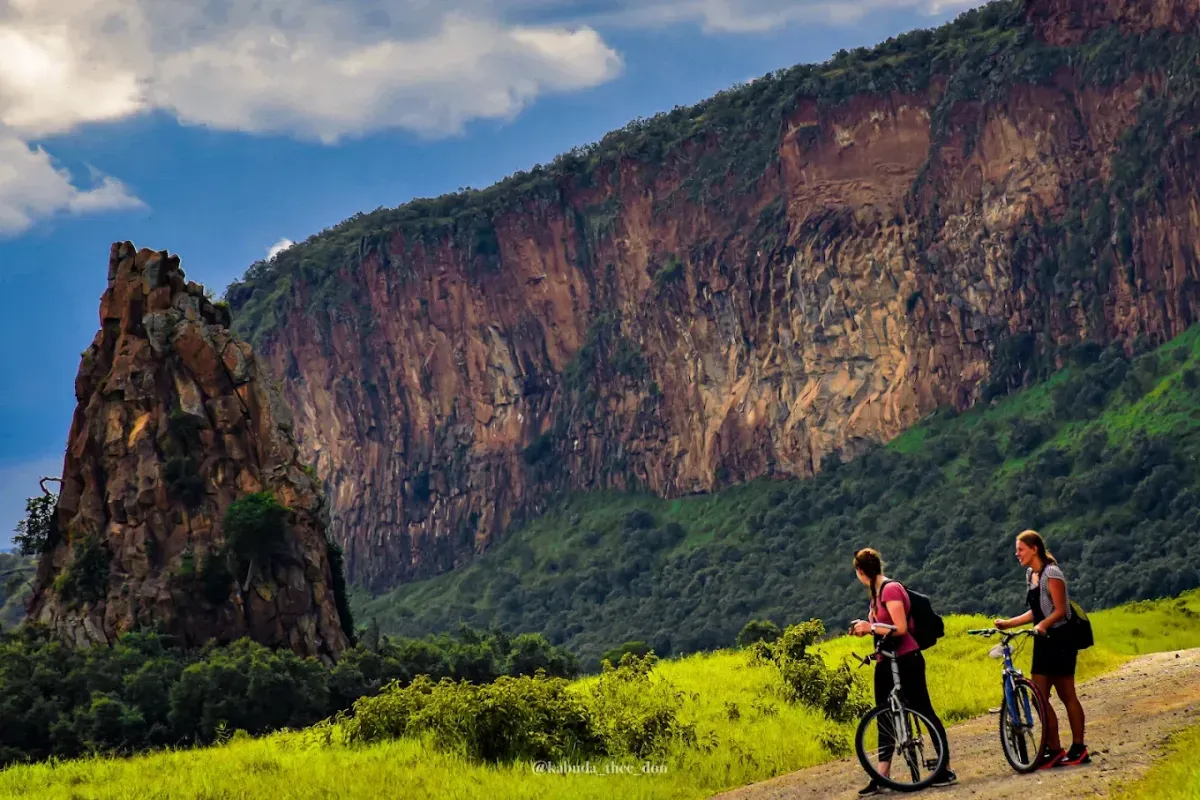
Safari context in Kenya: Within the current Greatlink Safaris destination network, useful places to look for this species include Hell's Gate National Park. Sightings remain natural and unpredictable, so Greatlink Safaris plans around habitat, season and realistic wildlife expectations rather than guarantees. Travellers can also explore the Kenya wildlife guide or compare private Kenya safaris that visit suitable ecosystems.
Conservation: The species is Least Concern overall but depends on intact rocky habitat and low hunting pressure. For the latest global assessment and taxonomic notes, consult the IUCN conservation reference. Kenya protected area information is also available from the Kenya Wildlife Service.
Interesting facts and identification clues
- Their rubbery cylindrical hooves provide exceptional grip on rock.
- Pairs often remain close and use lookout points.
- The hollow, coarse coat helps insulate them in exposed rocky habitats.
- They can obtain much of their moisture from vegetation.
- Scan prominent rocks and cliff ledges rather than only the valley floor.
Responsible viewing: Keep a respectful distance, avoid blocking the animal’s route, keep noise low and follow the driver guide’s instructions. Wildlife behaviour changes with weather, breeding, food, water and human pressure, so every encounter should be treated as an unscripted observation.
Content reviewed 1 Oct 2026