About the Bat-eared Fox
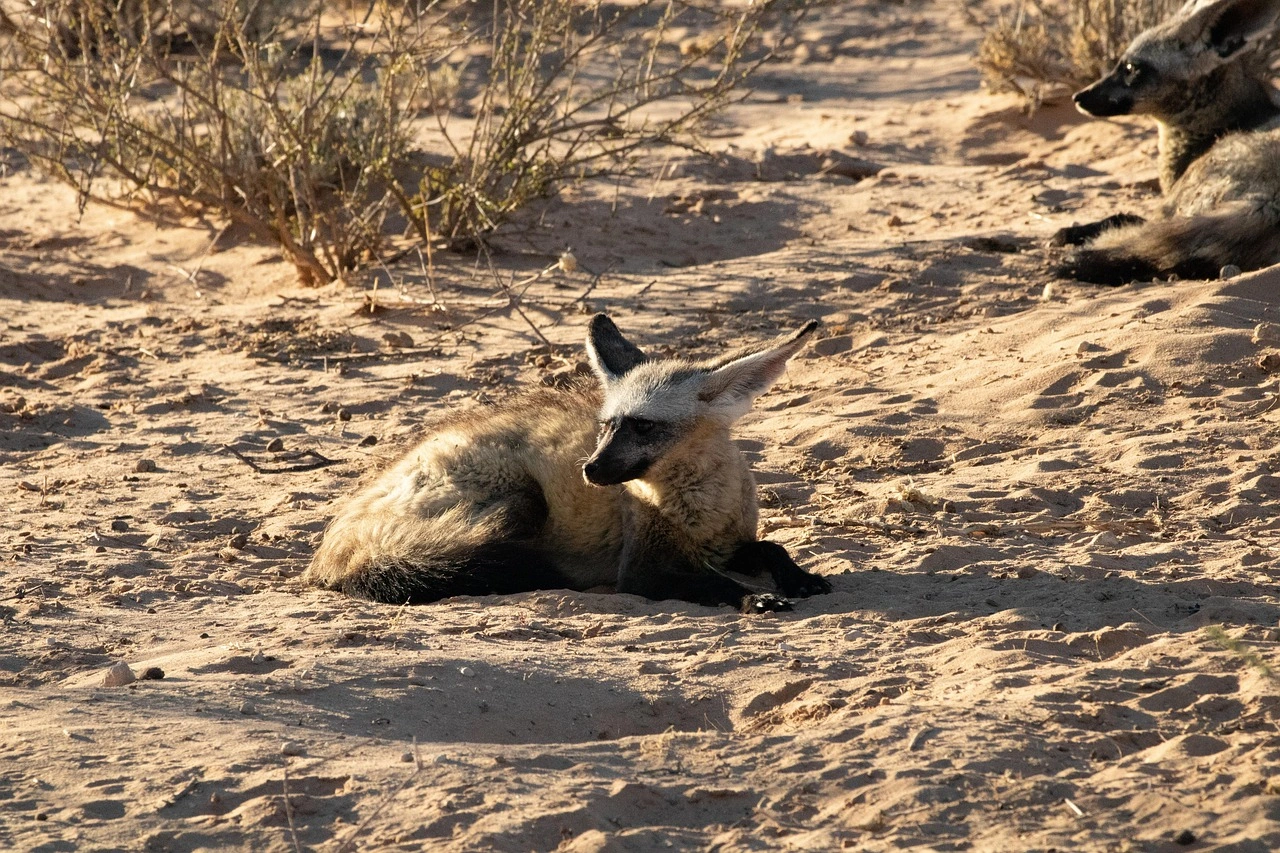
Bat-eared foxes have oversized ears, a grey-brown coat, black legs and a dark facial mask. The small muzzle and very large ears make them easy to distinguish from jackals.
Pairs or family groups forage together and use hearing to locate insects underground. They often rest in self-dug or abandoned burrows during the hottest hours.
Safari context in Kenya: Within the current Greatlink Safaris destination network, useful places to look for this species include Masai Mara National Reserve. Sightings remain natural and unpredictable, so Greatlink Safaris plans around habitat, season and realistic wildlife expectations rather than guarantees. Travellers can also explore the Kenya wildlife guide or compare private Kenya safaris that visit suitable ecosystems.
Conservation: The species is Least Concern and remains widespread in suitable open, termite-rich habitat. For the latest global assessment and taxonomic notes, consult the IUCN conservation reference. Kenya protected area information is also available from the Kenya Wildlife Service.
Interesting facts and identification clues
- Termites can make up most of the diet in many areas.
- The huge ears are used for detecting insects and also help release heat.
- Family groups may forage in loose formation across short grass.
- They have more teeth than most other canids, though the teeth are relatively small.
- Early morning and evening are good times to scan open plains for them.
Responsible viewing: Keep a respectful distance, avoid blocking the animal’s route, keep noise low and follow the driver guide’s instructions. Wildlife behaviour changes with weather, breeding, food, water and human pressure, so every encounter should be treated as an unscripted observation.
Content reviewed 1 Oct 2026