1
Journey overview
About this safari
This private 11-day Kenya birding safari is designed around habitat diversity rather than a simple big-game circuit. It begins in Nairobi with an introduction to East African bird diversity at the Nairobi National Museum, then moves from the alkaline wetlands of Lake Magadi to the freshwater systems of Lake Naivasha and Lake Baringo, the protected habitats of Lake Nakuru National Park and Ol Pejeta Conservancy, the dry-country birding of Samburu National Reserve, and finally the montane forests around Naro Moru on the Mount Kenya ecosystem.
The route gives birders access to some of Kenya’s most contrasting ecological zones: hot soda-lake shores, papyrus-fringed freshwater wetlands, Rift Valley escarpments, acacia woodland, open savannah, semi-arid northern scrub, riverine forest and cool highland forest. Mammal viewing remains an important part of the journey, especially in Lake Nakuru, Ol Pejeta and Samburu, but the daily pace is deliberately suitable for birding, photography, repeated stops and careful observation.
At Lake Magadi, the focus is on an extraordinary alkaline landscape recognised by Nature Kenya as a Key Biodiversity Area, where Lesser Flamingos and the localized Chestnut-banded Plover are important targets. Lake Naivasha adds African Fish Eagle, kingfishers, herons, pelicans and other wetland species, while a boat excursion provides a different viewing angle. Lake Baringo is one of Kenya’s classic birding areas, with nearly 500 species reported from the wider Ramsar wetland and surrounding cliffs, dry bush and lakeshore habitats.
Lake Nakuru combines birding with black and white rhino conservation. The journey then reaches Ol Pejeta, where birding is combined with Big Five wildlife, rhinos and the Sweetwaters Chimpanzee Sanctuary. In Samburu, the emphasis shifts to northern Kenya dry-country specialties such as vulturine guineafowl, Somali ostrich, golden-breasted starling, white-headed mousebird and regional hornbills and bee-eaters. The final birding stage around Naro Moru introduces Mount Kenya’s montane forest, a Key Biodiversity Area known for threatened species including Abbott’s Starling.
Greatlink Safaris operates this itinerary privately in a pop-up-roof 4x4 Land Cruiser unless another vehicle arrangement is specifically confirmed. Accommodation can be quoted at Economy, Standard or Luxury level. There is no fixed public package price because the final quotation depends on travel dates, accommodation level, traveller category, group size, birding-guide requirements, site fees, boat arrangements and any specialist activities requested.
Safari highlights
Why travellers choose this journey
- Nairobi National Museum bird gallery: begin with a structured introduction to East African bird diversity before entering the field.
- Lake Magadi Key Biodiversity Area: search for Lesser Flamingos, Chestnut-banded Plover and other birds adapted to an extreme alkaline environment.
- Lake Naivasha: combine lakeshore birding with a boat excursion for fish eagles, kingfishers, herons, pelicans, cormorants and other waterbirds.
- Lake Baringo: explore one of Kenya’s richest birding landscapes, with cliff, dry-bush and wetland specialties including Jackson’s Hornbill, Hemprich’s Hornbill, Bristle-crowned Starling and Northern White-faced Owl.
- Lake Nakuru: bird one of Kenya’s best-known national parks while also searching for black and white rhinos and other wildlife.
- Ol Pejeta Conservancy: combine birdwatching with major rhino-conservation stories and the Sweetwaters Chimpanzee Sanctuary.
- Samburu dry-country birding: look for vulturine guineafowl, Somali ostrich, golden-breasted starling, white-headed mousebird and other northern specialties.
- Samburu Special Five: wildlife viewing may include Grevy’s zebra, reticulated giraffe, Beisa oryx, gerenuk and Somali ostrich.
- Mount Kenya forest: finish with montane birding around Naro Moru in a globally important forest ecosystem that supports Abbott’s Starling and other highland species.
- Four major habitat transitions: experience alkaline lakes, freshwater wetlands, semi-arid bush and montane forest in one specialist itinerary.
- Private birding pace: flexible stops, early starts and longer observation time can be built around the group’s birding priorities.
Perfect forDedicated birders, bird photographers, wildlife photographers, nature clubs, small private groups, first-time East Africa birders and experienced listers seeking a varied Kenya itinerary with both birds and mammals.
Journey flow
Where this safari takes you
See the route in travel order, from the first stop to the final destination. Each stage connects directly to the detailed destination guide where available.
2
Day 3
Lake Magadi
3
4
5
Day 5
Lake Baringo
6
7
8
9
Day 11
Naro Moru / Mount Kenya Region
10
Safari beginsNairobi
Safari endsNairobi
Safari Types
How this journey is designed
These categories describe the style of safari you are booking.
Day by day
Your safari itinerary
Open each day to view the route, activities, meals, transport and accommodation details.
On arrival at Jomo Kenyatta International Airport or the agreed Nairobi arrival point, meet a Greatlink Safaris representative and transfer privately to your Nairobi hotel.
The rest of the day is kept deliberately light after your journey. Depending on arrival time, you can relax at the hotel, prepare binoculars and camera equipment and meet your guide for a short safari briefing covering the birding route, expected habitats and practical arrangements for the days ahead.
Overnight in Nairobi.
AccommodationNairobi hotel — Economy, Standard or Luxury as confirmed. MealsBed & Breakfast basis; arrival-day meals are not included unless specifically confirmed. TransportPrivate airport-to-hotel transfer ActivitiesAirport meet-and-assist; hotel transfer; safari and birding briefing depending on arrival time
After breakfast, begin with a relaxed orientation of Nairobi before visiting the Nairobi National Museum.
The Museum’s permanent Bird Gallery presents the diversity of East African birds in family groupings, including birds of prey, waterbirds and sunbirds. It provides useful context before the field section of the safari begins, particularly for travellers visiting East Africa for the first time.
Your guide will use the visit to review important bird families, field-identification features and the different habitats you will encounter during the safari. A formal ornithologist lecture or specialist behind-the-scenes session can be arranged in advance but is not automatically included in the standard museum admission.
After the museum visit, continue the Nairobi orientation according to traffic and available time before returning to the hotel. Dinner and overnight in Nairobi.
AccommodationSame Nairobi hotel. MealsBreakfast; Dinner. Lunch is at own account unless specifically added. TransportPrivate Nairobi touring vehicle ActivitiesNairobi orientation; Nairobi National Museum; Bird Gallery; birding introduction
After an early breakfast, depart Nairobi for the southern Rift Valley and Lake Magadi, carrying a picnic lunch for the day. The road gradually descends into hotter and drier country before reaching one of Kenya’s most unusual wetland landscapes.
Lake Magadi is a shallow alkaline soda lake surrounded by broad trona and salt flats. Nature Kenya recognises the area as a Key Biodiversity Area. Hot springs feed permanent lagoons along parts of the lake edge, creating specialised wetland habitat within an otherwise arid environment.
The principal birding targets include Lesser Flamingos and the localized Chestnut-banded Plover, sometimes known as the Magadi Plover. Depending on seasonal conditions, the springs, lagoons and surrounding flats may also hold sandpipers, greenshanks and other waterbirds and waders.
The birding pace will be determined by heat, water levels and current bird distribution. Your guide will select safe observation points rather than attempting to cross unstable salt flats or approach birds too closely. Enjoy the picnic lunch in a suitable shaded area.
Later in the afternoon, return to Nairobi for dinner and overnight. For conservation background, see Nature Kenya’s Lake Magadi KBA profile.
AccommodationSame Nairobi hotel. MealsBreakfast; Picnic Lunch; Dinner TransportPrivate pop-up-roof 4x4 Land Cruiser; Nairobi–Lake Magadi–Nairobi road excursion ActivitiesRift Valley drive; Lake Magadi wetland birding; flamingo and wader observation; bird photography
After breakfast, check out and drive northwest from Nairobi into the Great Rift Valley. Where traffic and visibility allow, pause at an appropriate viewpoint for broad views of the escarpment before continuing toward Lake Naivasha.
Arrive in the Naivasha area during the morning and begin birding in suitable lakeshore, acacia and wetland habitat before lunch. Lake Naivasha is a high-altitude freshwater lake and a Ramsar Wetland of International Importance. Its open water, papyrus edges and surrounding woodland support a rich mixture of waterbirds and woodland species.
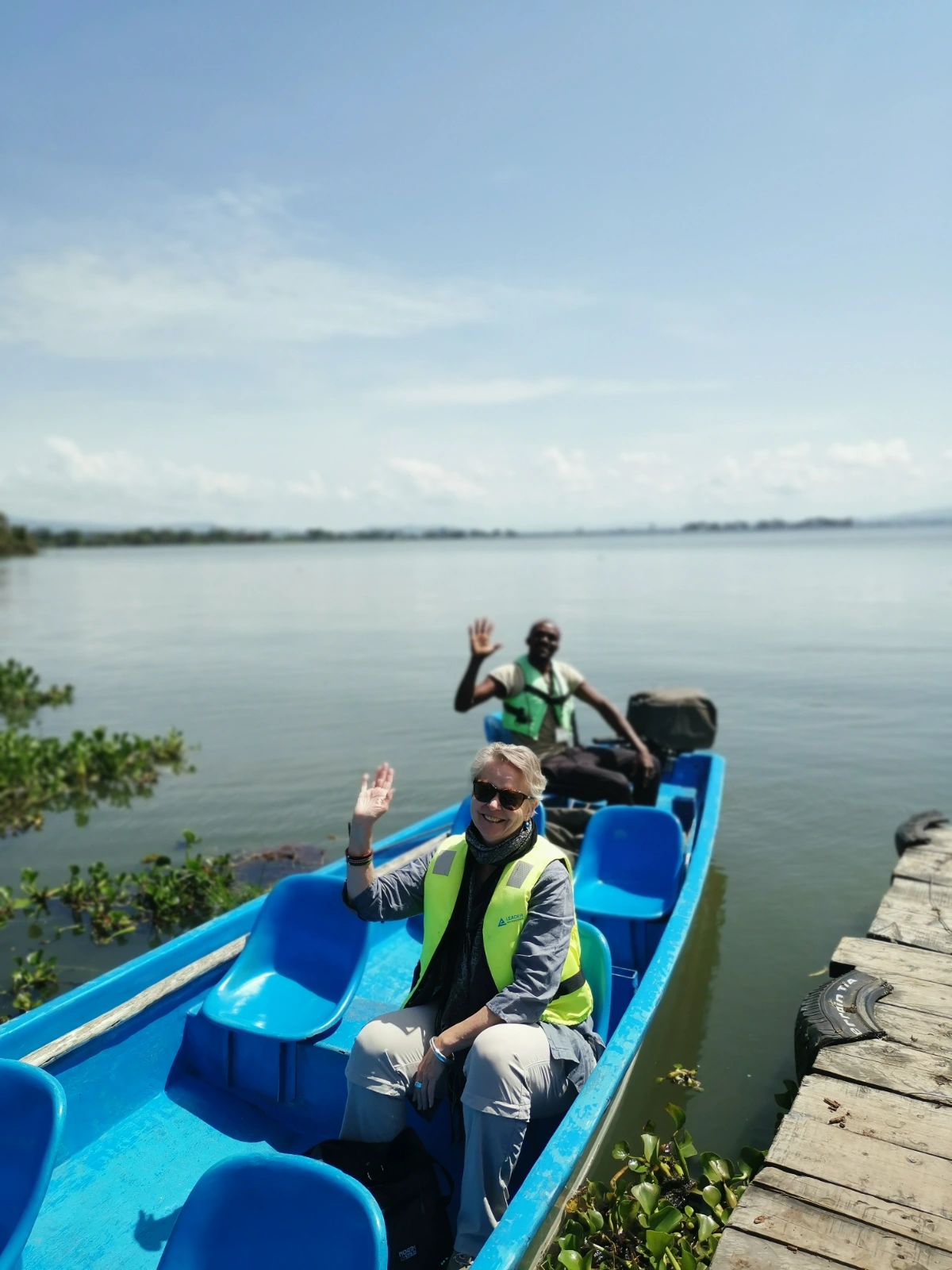
After lunch, take a boat excursion on the lake, subject to weather and safe boating conditions. Look for African Fish Eagle, cormorants, pelicans, herons, egrets, kingfishers, jacanas and other wetland birds. Hippos may also be encountered and must always be given a safe distance.
Return to the hotel before sunset for dinner and overnight. Official wetland information is available through the Ramsar Sites Information Service.
AccommodationLake Naivasha hotel or lodge — Economy, Standard or Luxury as confirmed. MealsBreakfast; Lunch; Dinner TransportPrivate pop-up-roof 4x4 Land Cruiser; standard Lake Naivasha birding boat excursion ActivitiesGreat Rift Valley viewpoint when practical; lakeshore birding; Lake Naivasha boat safari; waterbird and fish-eagle photography
Depart Lake Naivasha after breakfast and continue north through the Rift Valley toward Lake Baringo. Arrive around lunchtime, depending on traffic, birding stops and road conditions.
Lake Baringo is a freshwater Rift Valley lake and Ramsar Wetland of International Importance. The lake and surrounding cliffs, dry bush, acacia woodland and shoreline habitats support an exceptional bird community, with nearly 500 species documented in the wider wetland landscape.
After lunch, begin birding around safe and productive sites selected with your guide. Depending on current local information, target birds may include Northern White-faced Owl, Bristle-crowned Starling, Goliath Heron, Mouse-coloured Penduline-tit, Black-throated Barbet, Jackson’s Hornbill and Hemprich’s Hornbill.
Cliff and owl sites should be visited carefully with local guidance; the itinerary does not require unsafe climbing or descent on unstable slopes. A Lake Baringo birding boat can be added separately if requested.
Return to the lodge or hotel for dinner and overnight. See the official Ramsar record for Lake Baringo for wetland-conservation context.
AccommodationLake Baringo hotel, lodge or camp — Economy, Standard or Luxury as confirmed. MealsBreakfast; Lunch; Dinner TransportPrivate pop-up-roof 4x4 Land Cruiser ActivitiesRift Valley transfer; Lake Baringo lakeshore and dry-country birding; cliff-specialist birding with safe local access
After breakfast, leave Lake Baringo and drive south toward Lake Nakuru National Park. Arrive during the morning and begin birding and wildlife viewing as you enter the park, then continue to the selected lodge or hotel for lunch.
Lake Nakuru is one of Kenya’s best-known birding parks and KWS records approximately 450 bird species. The lake, grassland, rocky escarpments and acacia woodland support pelicans, African Fish Eagle, egrets, herons, grebes, raptors and many terrestrial species.
Flamingos may be present, but the old description of Nakuru as permanently holding millions of flamingos is no longer reliable. Water levels and lake chemistry have changed, and flamingo numbers now shift considerably among Rift Valley wetlands.
The afternoon game-and-birding drive also provides opportunities to search for black and white rhinos, Rothschild’s giraffe, buffalo, waterbuck and other mammals. Scenic viewpoints and Makalia Falls can be included where road conditions and time allow.
Return to the lodge or hotel for dinner and overnight. Current official park information is available from the Kenya Wildlife Service Lake Nakuru page.
AccommodationLake Nakuru/Nakuru-area lodge or hotel — Economy, Standard or Luxury as confirmed. MealsBreakfast; Lunch; Dinner TransportPrivate pop-up-roof 4x4 Land Cruiser ActivitiesLake Nakuru birding; game drive; flamingo and pelican observation when present; rhino viewing; scenic viewpoints when practical
After breakfast, check out and travel through Kenya’s central highlands toward Ol Pejeta. Where routing and timing allow, stop at Thomson’s Falls in Nyahururu for a short scenic break before continuing through agricultural country toward Laikipia.
Arrive at Ol Pejeta Conservancy for lunch or early afternoon, depending on the day’s progress. Continue with an afternoon game-and-birding drive across the conservancy’s grassland, wetland, woodland and riverine habitats.
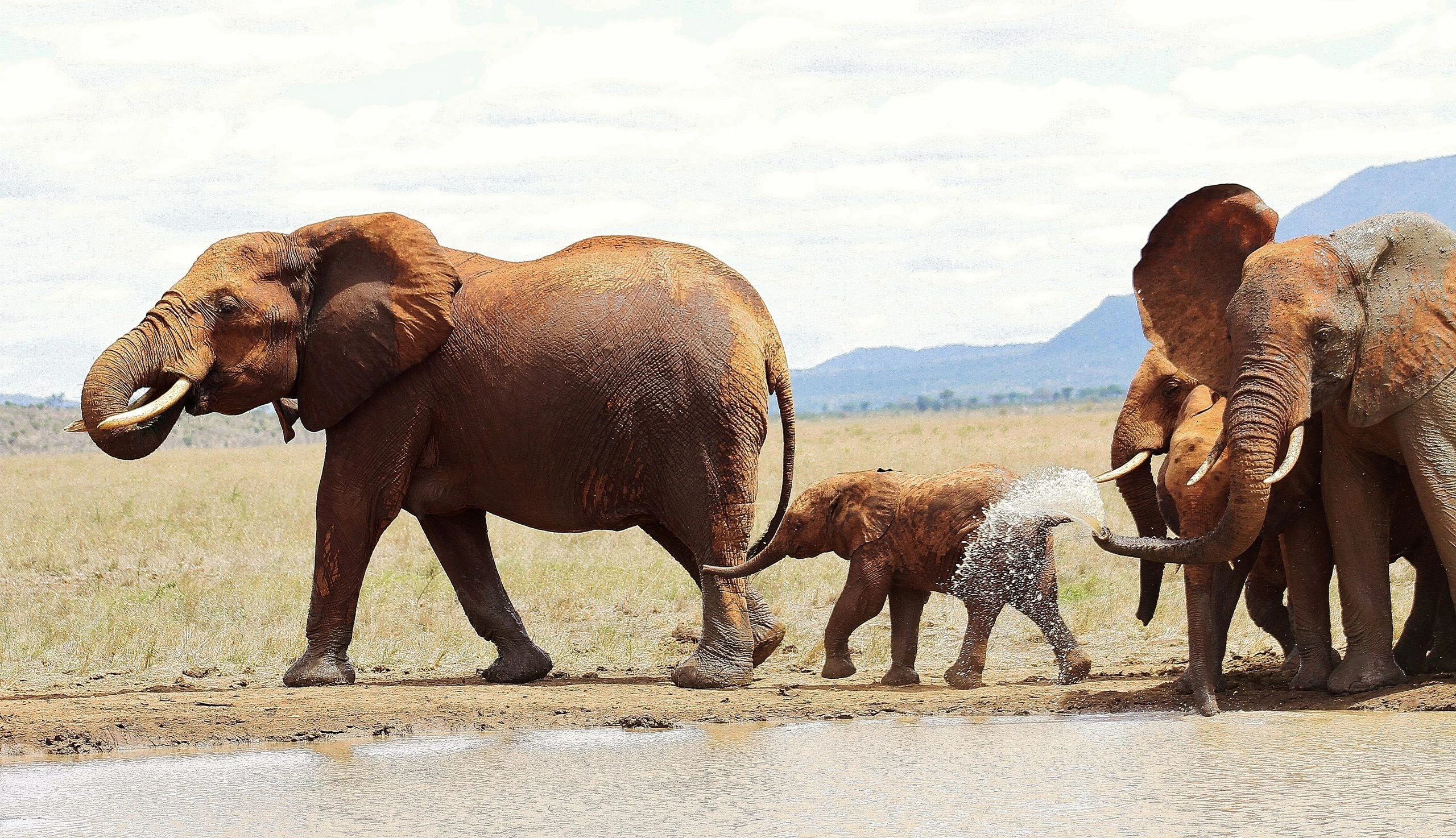
Ol Pejeta combines strong mammal viewing with rewarding birding. Look for grassland raptors, starlings, lapwings, larks, sunbirds and other species while also searching for black and southern white rhinos, elephant, buffalo and predators.
Visit the Sweetwaters Chimpanzee Sanctuary during scheduled public viewing hours when timing permits. The sanctuary cares for rescued chimpanzees, which are not native to Kenya. Ol Pejeta is also home to the last two surviving northern white rhinos; specialist close encounters are optional activities unless expressly included in the final quotation.
Continue birding and game viewing until late afternoon before proceeding to your lodge or camp for dinner and overnight. See the official Ol Pejeta Conservancy website for current conservation and visitor information.
AccommodationOl Pejeta/Laikipia lodge or tented camp — Economy, Standard or Luxury as confirmed. MealsBreakfast; Lunch; Dinner TransportPrivate pop-up-roof 4x4 Land Cruiser ActivitiesThomson’s Falls stop when practical; Ol Pejeta birding and game drive; rhino conservation; Sweetwaters Chimpanzee Sanctuary when operating hours permit
After breakfast, depart Ol Pejeta and travel north through the Nanyuki and Isiolo region toward Samburu National Reserve. Arrive for lunch, subject to road and birding-stop conditions.
The afternoon introduces a completely different birding environment: dry acacia and Commiphora bush, open semi-arid plains and the riverine vegetation of the Ewaso Nyiro River.
Target northern dry-country birds may include vulturine guineafowl, Somali ostrich, golden-breasted starling, white-headed mousebird, black-capped social weaver and several bee-eaters, hornbills, bustards and raptors. White-throated Bee-eaters are seasonal migrants, so their presence depends on the time of year.
Game viewing remains excellent, with opportunities for elephant, lion and leopard together with the Samburu Special Five: Grevy’s zebra, reticulated giraffe, Beisa oryx, gerenuk and Somali ostrich.
Continue birding and game viewing until sunset before returning to the lodge or camp for dinner and overnight.
AccommodationSamburu-area lodge or tented camp — Economy, Standard or Luxury as confirmed. MealsBreakfast; Lunch; Dinner TransportPrivate pop-up-roof 4x4 Land Cruiser ActivitiesNorthern Kenya transfer; afternoon Samburu birding; dry-country specialties; Special Five wildlife viewing; photography
Spend a full day birding and game viewing in Samburu with your private guide. Early morning offers cooler temperatures and strong bird activity, so the day normally begins soon after first light.
Explore dry bush, open plains and the Ewaso Nyiro river corridor for a mix of resident northern species. Depending on season and location, targets may include Somali ostrich, vulturine guineafowl, golden-breasted starling, white-headed mousebird, black-capped social weaver, rosy-patched bush-shrike, Somali Bee-eater, Von der Decken’s Hornbill and other arid-country species.
The riverine habitat also adds kingfishers, herons, raptors and woodland birds. Between bird sightings, watch for elephant herds and the reserve’s northern specialist mammals. Leopard is frequently searched for along the river corridor, although sightings can never be guaranteed.
The day may be arranged as morning and afternoon sessions with a midday break or as a longer field day depending on the group’s birding objectives, heat and lodge location.
Return to the lodge or camp after the final birding session for dinner and your second overnight in Samburu. Official reserve background is available from the County Government of Samburu.
AccommodationSame Samburu-area lodge or tented camp. MealsBreakfast; Lunch; Dinner TransportPrivate pop-up-roof 4x4 Land Cruiser ActivitiesEarly-morning and afternoon birding; riverine birding; northern dry-country specialties; game viewing; photography
After breakfast, leave Samburu and travel south toward Naro Moru at the western foot of Mount Kenya. The journey climbs from hot semi-arid country into cooler central highlands, providing another major change in bird habitat.
Arrive in the Naro Moru area for lunch and check-in. In the afternoon, begin birding in suitable montane forest and forest-edge habitat within the wider Mount Kenya ecosystem, using current local guidance and permitted access points.
Mount Kenya forest is recognised as both an Important Bird Area and Key Biodiversity Area. Important highland species include the threatened Abbott’s Starling, while other birds recorded in the ecosystem include African Green Pigeon, White-headed Wood Hoopoe, Silvery-cheeked Hornbill, Grey-backed Camaroptera, Kikuyu/Montane White-eye and Mountain Wagtail. Mountain Buzzard and other forest raptors may also be encountered.
Because highland forest birds can be vocal but difficult to see, the afternoon is planned at a slower pace with time for listening, scanning fruiting trees and working forest edges rather than covering long distances.
Return to your Naro Moru hotel or lodge for dinner and overnight. Nature Kenya documents ongoing Mount Kenya forest conservation and the work of local birding groups in the area.
AccommodationNaro Moru/Mount Kenya-region hotel or lodge — Economy, Standard or Luxury as confirmed. MealsBreakfast; Lunch; Dinner TransportPrivate pop-up-roof 4x4 Land Cruiser ActivitiesSamburu–Mount Kenya transition; afternoon montane-forest birding; highland specialties; bird photography
Begin with a final early-morning birding session around Naro Moru or another suitable Mount Kenya forest-edge site selected by the guide. Morning is often the most productive time for vocal forest birds and gives one last opportunity to add highland species to the trip list.
Return for breakfast, check out and drive to Nairobi. Arrive around lunchtime depending on traffic and birding stops. Lunch will be arranged according to the confirmed return schedule.
If the international departure time allows, Greatlink Safaris will host a farewell dinner at Carnivore Restaurant in Nairobi. The restaurant is part of Tamarind Group and is known for its long-running charcoal-roasted dining experience; vegetarian options are also available.
After dinner, transfer privately to the airport in good time for check-in for the international departure flight. If the flight departs too early for dinner, the final meal and transfer arrangement will be adjusted in the confirmed itinerary.
The 11-day Kenya birding safari ends with the airport drop-off.
AccommodationNo accommodation included after the airport transfer unless separately requested. MealsBreakfast; Lunch; Farewell Dinner when international flight timing permits TransportPrivate pop-up-roof 4x4 Land Cruiser; Naro Moru–Nairobi road transfer; private airport transfer ActivitiesEarly-morning Mount Kenya-region birding; Nairobi return; farewell dinner when timing permits; airport transfer
Shape your safari
Safari choices for your quotation
Select the options that interest you when requesting a quote. No fixed public price is shown because the final quotation depends on dates, traveller numbers, availability and your preferred travel style.
Accommodation
Good-value hotels, lodges or camps along the birding circuit, selected according to location, early-morning access, travel dates and rooming requirements.
Comfortable mid-range accommodation selected for practical access to the key birding areas and the confirmed meal plan.
Premium accommodation selected for stronger location, comfort, service and overall experience while preserving the birding route.
Guide
Add a dedicated specialist bird guide for all or selected sections of the itinerary. Availability and guiding language are confirmed at quotation stage.
Experience
Optional birding boat excursion on Lake Baringo, subject to lake conditions, operator availability and safety requirements.
Request a specialist ornithology talk or enhanced National Museums of Kenya bird session. This requires advance confirmation and is not part of standard museum admission.
Service
English-speaking guiding is standard. Another available language may be requested and is subject to guide availability and birding expertise.
Before you travel
Know before you go
Birding style: this is a bird-focused safari, so some mornings begin early and roadside or habitat stops may be longer than on a conventional wildlife itinerary. The final daily schedule is adjusted around weather, bird activity, site access and the group’s priorities.
Bird sightings: all birds are wild and free-ranging. Species listed in the itinerary are target or representative birds rather than guaranteed sightings. Seasonal migrants, waterbird concentrations and local rarities can change significantly between visits.
Optics: guests should travel with binoculars. A spotting scope is particularly useful at Lake Magadi, Lake Baringo, Lake Naivasha and Lake Nakuru. Greatlink Safaris can quote a specialist birding guide and shared spotting scope where available.
Nairobi National Museum: the Museum’s permanent Bird Gallery presents East African birds by family group. A specialist ornithology talk or behind-the-scenes session is not automatically included and must be arranged in advance if required. Official visitor information is available from the National Museums of Kenya.
Lake Magadi: Nature Kenya identifies Lake Magadi as a shallow alkaline soda lake and Key Biodiversity Area with important Lesser Flamingo numbers and the Chestnut-banded or Magadi Plover. Conditions are hot and exposed, so sun protection and ample drinking water are essential. See Nature Kenya’s Lake Magadi KBA information.
Lake Naivasha: boat activities depend on weather, lake conditions and operator safety decisions. The lake is an internationally recognised Ramsar wetland. Official wetland information is available from the Ramsar Sites Information Service.
Lake Baringo: the lake is a Ramsar Wetland of International Importance and supports nearly 500 recorded bird species across the lake and surrounding habitats. Birding around cliff sites should always be done with safe access and local guidance rather than climbing or descending unstable slopes. See the Lake Baringo Ramsar record.
Lake Nakuru flamingos: flamingo numbers are naturally variable. KWS records approximately 450 bird species in the park, but changing lake levels have altered flamingo distribution across Kenya’s Rift Valley lakes. Large concentrations should never be promised for a particular date. Official park information is available from Kenya Wildlife Service.
Ol Pejeta: chimpanzees are not native to Kenya. Sweetwaters provides sanctuary to rescued chimpanzees and is the only place in Kenya where they can be seen. Ol Pejeta is also home to the last two surviving northern white rhinos. Current conservation and visitor information is available from the official Ol Pejeta Conservancy website.
Samburu: Samburu National Reserve is county-managed and is separate from Buffalo Springs and Shaba. This package includes Samburu National Reserve unless other northern reserves are expressly added to the final quotation. Official reserve information is available from the County Government of Samburu.
Mount Kenya / Naro Moru: the Mount Kenya forest is an Important Bird Area and Key Biodiversity Area. Nature Kenya’s Mount Kenya conservation work documents species such as Abbott’s Starling and supports the Mount Kenya Biodiversity Conservation Group around Naro Moru. See Nature Kenya’s Mount Kenya forest information.
Birding ethics: nesting birds and roost sites should not be disturbed. Playback, spotlighting and close approaches should only be used responsibly and where permitted. Greatlink Safaris follows site rules and the direction of local guides or protected-area authorities.
Road times: all road distances and driving times are approximate. Traffic, weather, birding stops, roadworks, lake levels and the exact accommodation location can significantly alter each day’s timing.
Included
What is included
- Meet-and-assist on arrival at the agreed Nairobi airport and private transfer to the confirmed Nairobi hotel on Day 1.
- Ten nights’ accommodation across Nairobi, Lake Naivasha, Lake Baringo, Lake Nakuru/Nakuru, Ol Pejeta/Laikipia, Samburu and Naro Moru/Mount Kenya region in the selected Economy, Standard or Luxury category.
- Private safari transport in a pop-up-roof 4x4 Land Cruiser from the start of the touring programme through the final Nairobi/airport transfer, unless another vehicle arrangement is specifically confirmed.
- Services of an experienced English-speaking driver-guide with birding knowledge. A dedicated specialist ornithological guide can be included when expressly shown in the final quotation.
- Day 2 Nairobi orientation tour and admission to the Nairobi National Museum, including the public Bird Gallery.
- Day 3 Lake Magadi birding excursion, including picnic lunch and site/access fees where required and expressly included in the confirmed quotation.
- Day 4 birding around Lake Naivasha and one standard shared/private birding boat excursion as specified in the confirmed itinerary.
- Day 5 Lake Baringo birding programme around the selected lakeshore, dry-bush and cliff habitats. A separate boat excursion is included only if expressly stated in the final quotation.
- Lake Nakuru National Park conservation/entry fees for the included Day 6 game-and-birding drives, based on the traveller category supplied at quotation stage.
- Ol Pejeta Conservancy entry fees for the included Day 7 afternoon game-and-birding programme and normal scheduled Sweetwaters Chimpanzee Sanctuary viewing when available.
- Samburu National Reserve entry/conservation fees for the included Day 8 and Day 9 game-and-birding drives, based on the traveller category supplied at quotation stage.
- Mount Kenya/Naro Moru birding access fees or local guiding fees only where expressly itemised in the confirmed quotation.
- Planned Thomson’s Falls sightseeing stop on Day 7 when route, timing and site conditions permit; any locally levied entrance charge is included only where expressly itemised.
- Meals shown in the confirmed itinerary, including picnic lunches where stated and the farewell Carnivore Restaurant dinner on Day 11 when international flight timing allows.
- Drinking water in the safari vehicle during road transfers, game drives and field birding days operated by Greatlink Safaris.
- Emergency medical evacuation cover where expressly included in the final confirmation, subject to the contracted provider’s terms, geographical limits and exclusions.
- Private transfer to the agreed Nairobi airport for the international departure on Day 11.
- Applicable Kenyan government taxes and local statutory levies relating to the services specifically included in the confirmed quotation.
Not included
What is excluded
- International or regional flights to and from Kenya unless specifically added to the quotation.
- Kenya entry authorization, visa, immigration or passport-related costs applicable to the traveller.
- Comprehensive travel insurance, medical insurance, trip-cancellation insurance, baggage insurance and personal-accident cover.
- Medical treatment, hospitalization, medication, search-and-rescue expenses or other costs outside the limits of any included emergency evacuation plan.
- Meals not specifically shown as included, including Day 2 lunch unless it is added to the final quotation.
- Alcoholic drinks, premium beverages, soft drinks and lodge/hotel beverages unless expressly included by the selected accommodation or meal plan.
- Tips and gratuities for the driver-guide, specialist bird guides, local site guides, boat crews, hotel staff, porters and restaurant staff.
- Laundry, telephone calls, spa services, souvenirs and other items or services of a personal nature.
- Specialist behind-the-scenes museum or ornithology sessions unless arranged and priced in advance.
- Lake Baringo boat excursions, night birding, owl searches or specialist local-guide activities unless specifically shown as included in the confirmed quotation.
- Optional specialist Ol Pejeta experiences, including dedicated northern white rhino encounters, behind-the-scenes chimpanzee experiences, night drives, guided walks or lion tracking unless expressly included.
- Entry into Buffalo Springs or Shaba National Reserves unless specifically added to the itinerary.
- Birding equipment such as personal binoculars, cameras, lenses and personal spotting scopes unless specifically provided in the quotation.
- Any accommodation, room-category, vehicle, private guide or specialist-guide upgrade not included in the confirmed quotation.
- Additional accommodation, transport, meals or activities resulting from voluntary itinerary changes requested after confirmation.
- Costs arising from circumstances beyond the operator’s reasonable control, including severe weather, floods, lake-level changes, road closures, government restrictions, force-majeure events or supplier changes, except where applicable supplier or booking conditions provide otherwise.